Duomo di Santa Margherita in Tarquinia: History & Art
The Civic and Religious Center of Tarquinia
Located on Piazza del Duomo within the historic walled center of Tarquinia—historically known as Corneto—the Duomo di Santa Margherita serves as both a parish church and the co-cathedral of the Diocese of Civitavecchia-Tarquinia. Officially named the Concattedrale dei Santi Margherita e Martino, the church represents a critical transition in the city's urban and administrative history.
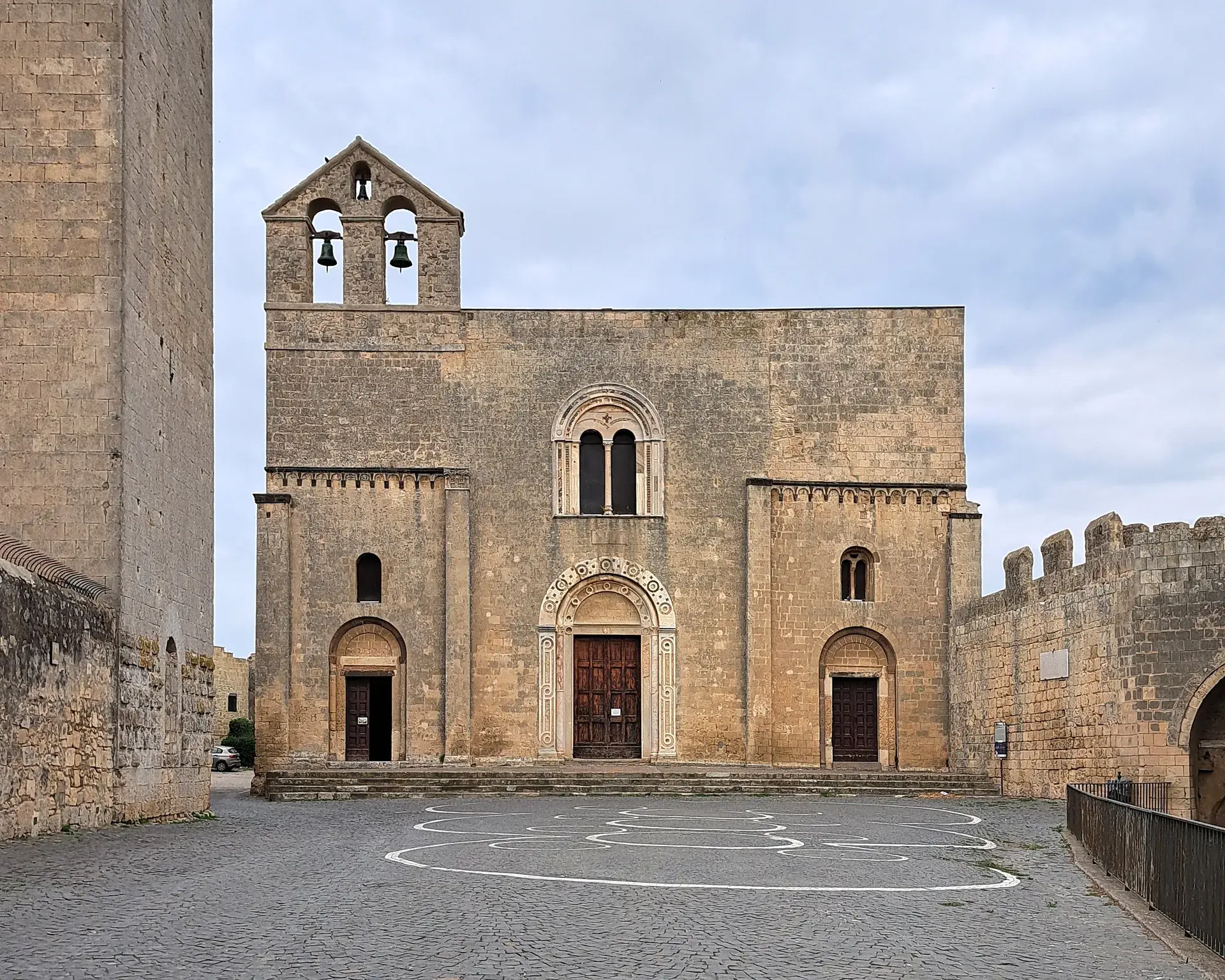
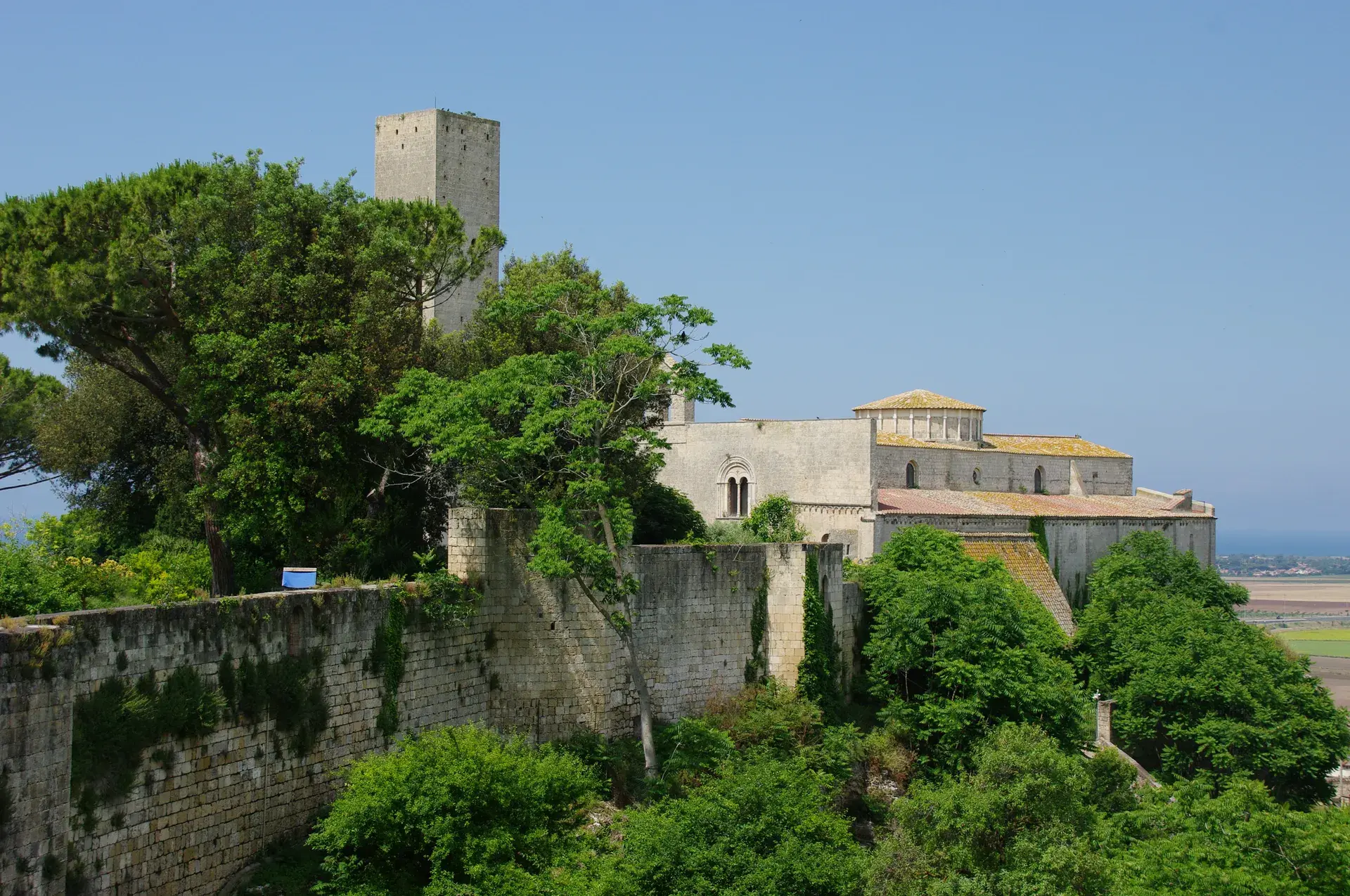
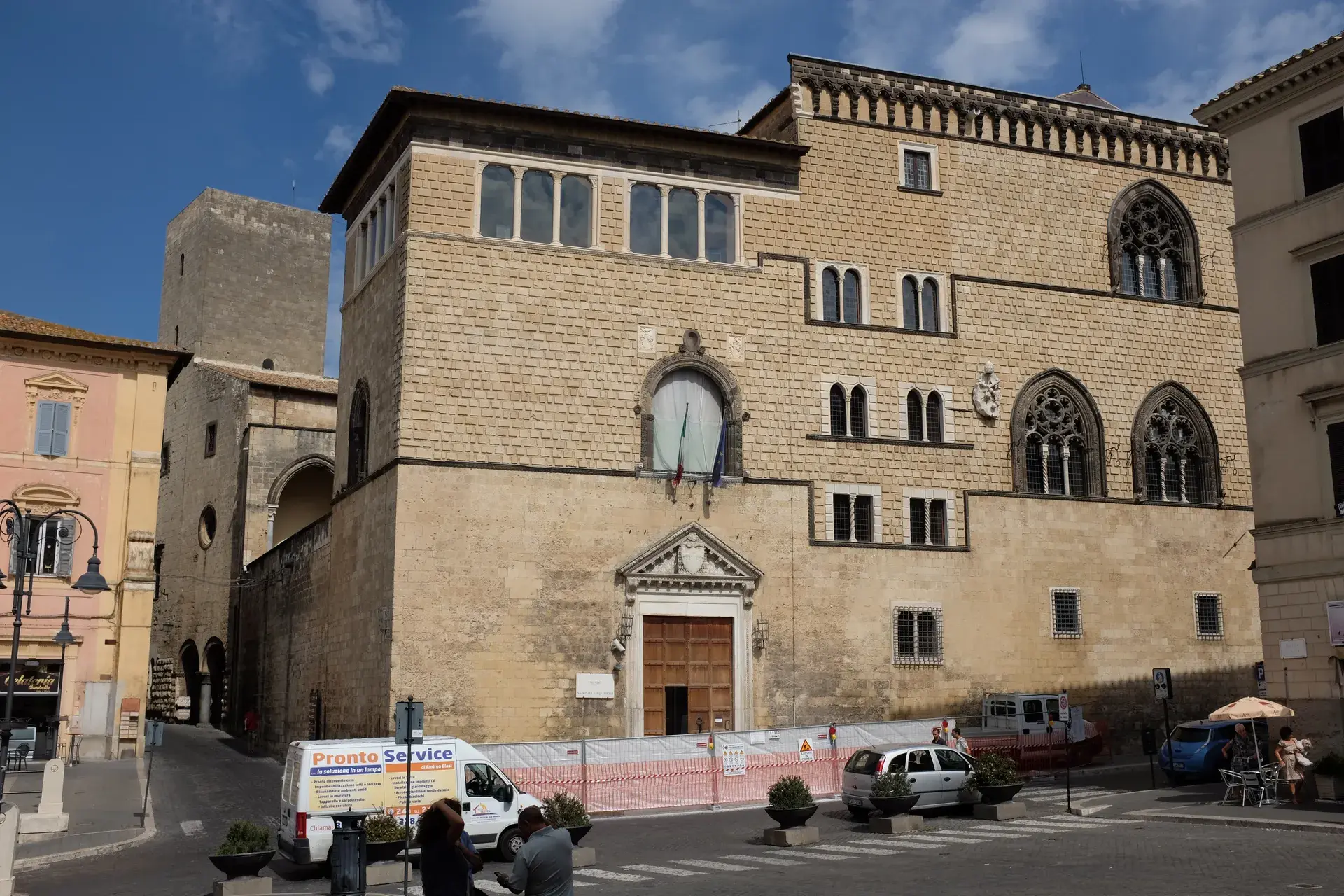
Founded around 1260, the church rose to primary prominence on December 5, 1435, when Pope Eugene IV elevated it to cathedral status. This decision shifted the city's bishopric away from the older fortress perimeter at the Basilica of Santa Maria in Castello, anchoring religious governance within the central communal district near the Vitelleschi family palace.
Vitelleschi Patronage and Historical Evolution
The architectural layout of the cathedral changed dramatically under Bishop Bartolomeo Vitelleschi around 1450. The bishop reoriented the original east-west structure to a north-south axis, establishing a new southern entrance and founding a family chapel in the northern presbytery. Between 1508 and 1509, Vitelleschi commissioned artist Antonio del Massaro da Viterbo, known as Il Pastura, to execute extensive frescoes across the apse vault and walls.
The cathedral honors Margaret of Antioch alongside Saint Martin. According to Christian tradition, Saint Margaret was martyred in Pisidia around 290 AD after overcoming an encounter with Satan in the form of a dragon.
The Fire of 1643 and 19th-Century Reconstruction
On the night of August 7–8, 1643, a catastrophic fire swept through the cathedral, reducing the medieval and Renaissance nave to ruins. Remarkably, the choir apse containing Il Pastura's early 16th-century frescoes, the high altar, and the Cappella del Salvatore survived undamaged.
Following decades of decay, an extensive 19th-century reconstruction revived the building. Funded partly through civic land sales and volunteer labor, the project was designed by architects Francesco Dasti and Pietro Magnani under the advisory supervision of Vatican architect Virginio Vespignani. Completed around 1874, the reconstructed three-nave neoclassical church was reconsecrated in 1879 by Bishop Francesco Gandolfi. On September 30, 1986, the cathedral was officially designated a co-cathedral following the diocesan unification under the papal decree Instantibus votis.
Architectural and Artistic Highlights
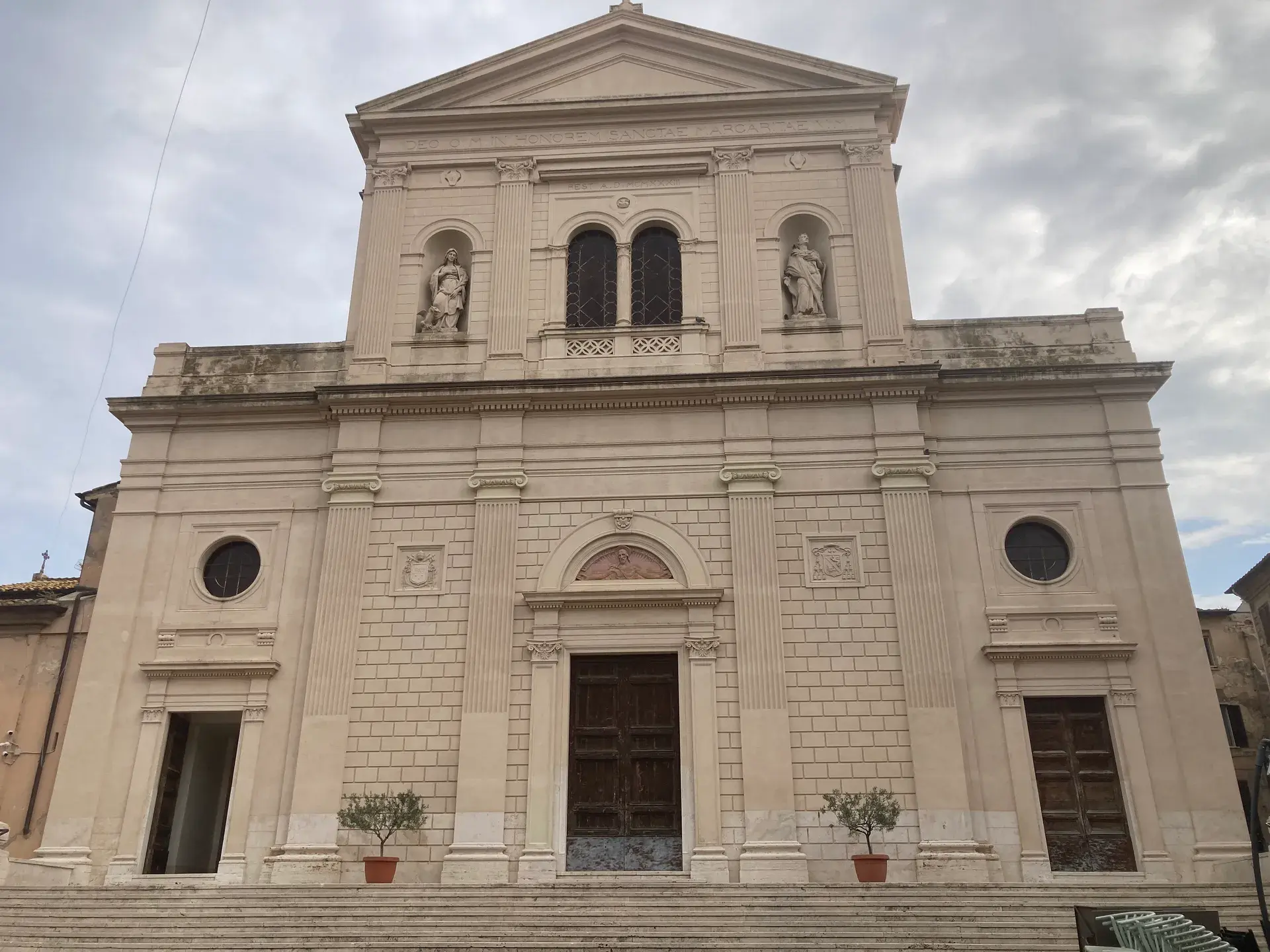
The exterior presents a pale, temple-like neoclassical facade approached by a wide staircase, flanked on the left by a tall belfry tower standing directly against Piazza del Duomo. The upper tier of the facade features a twin-arched bifora window framed by statues of the co-patrons, Saint Margaret and Saint Martin.
Inside, a monumental barrel-vaulted neoclassical central nave contrasts with the surviving 13th-to-15th-century Gothic polygonal apse. In the choir, Il Pastura's frescoes depict scenes from the Life of the Virgin, the Coronation of Mary, prophets, and sibyls in deep gold and lapis tones. The cathedral also preserves a historic pipe organ set within a wooden Serlian case, built in 1879 by brothers Angelo and Nicola Morettini.
Visiting Information
The cathedral functions as an active Roman Catholic parish (Parrocchia dei Santi Margherita e Martino). It is open to visitors with free admission, though it typically observes midday closures during the early afternoon.
FAQ
What is the official name of the Duomo di Santa Margherita?
The official name of the church is the Concattedrale dei Santi Margherita e Martino.
What parts of the church survived the fire of 1643?
The presbytery, the high altar, the Cappella del Salvatore, and the polygonal choir apse containing the early 16th-century frescoes by Il Pastura survived the fire completely undamaged.
Who painted the frescoes in the cathedral's apse?
The frescoes were painted between 1508 and 1509 by Antonio del Massaro da Viterbo, commonly known as Il Pastura, under the patronage of Bishop Bartolomeo Vitelleschi.
When did the church achieve cathedral status?
Pope Eugene IV elevated the church to cathedral status on December 5, 1435, succeeding the older Basilica of Santa Maria in Castello.