Palazzo dei Priori: Tarquinia's Medieval Palace
Architectural Evolution and Noble Towers
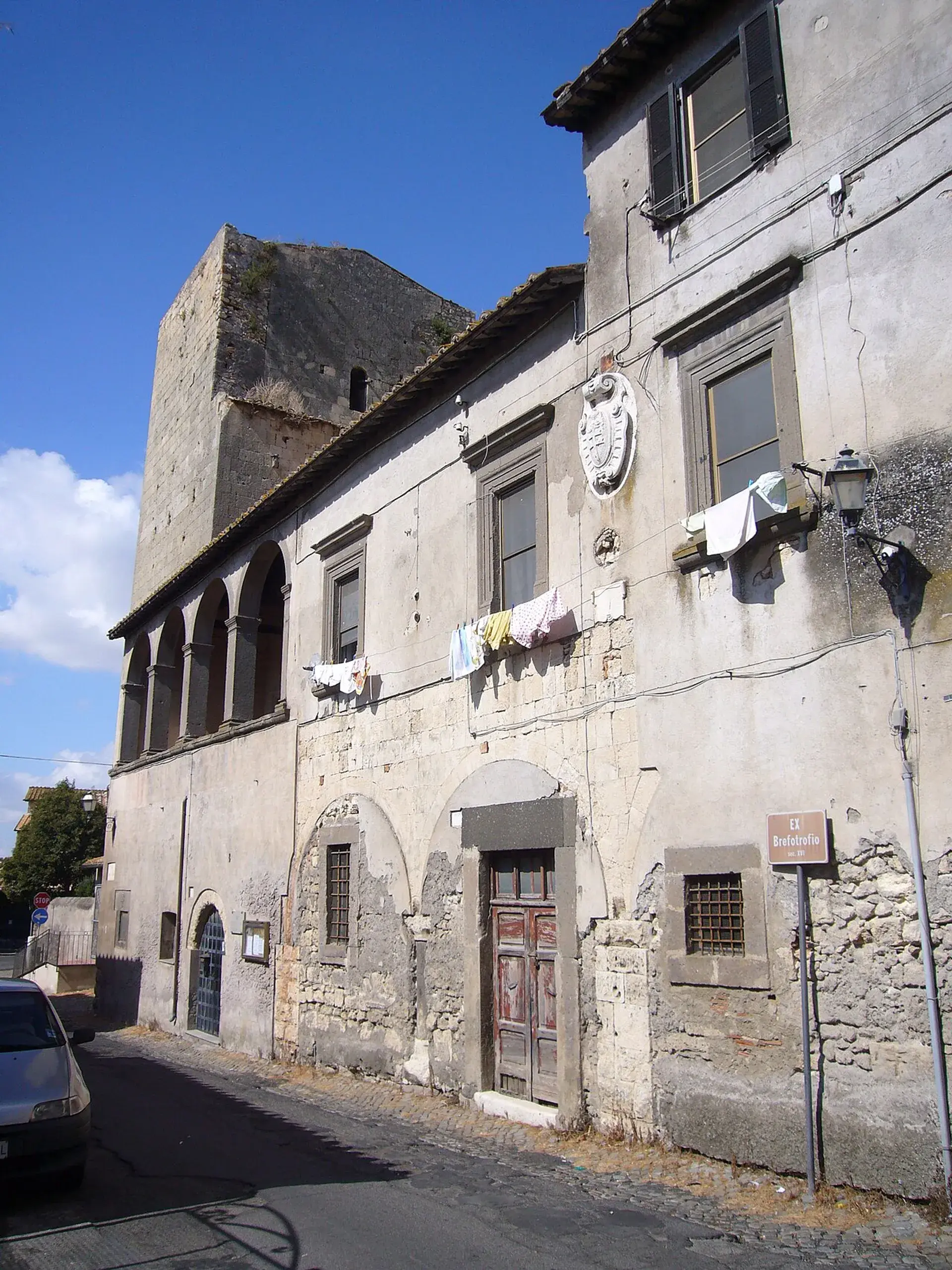
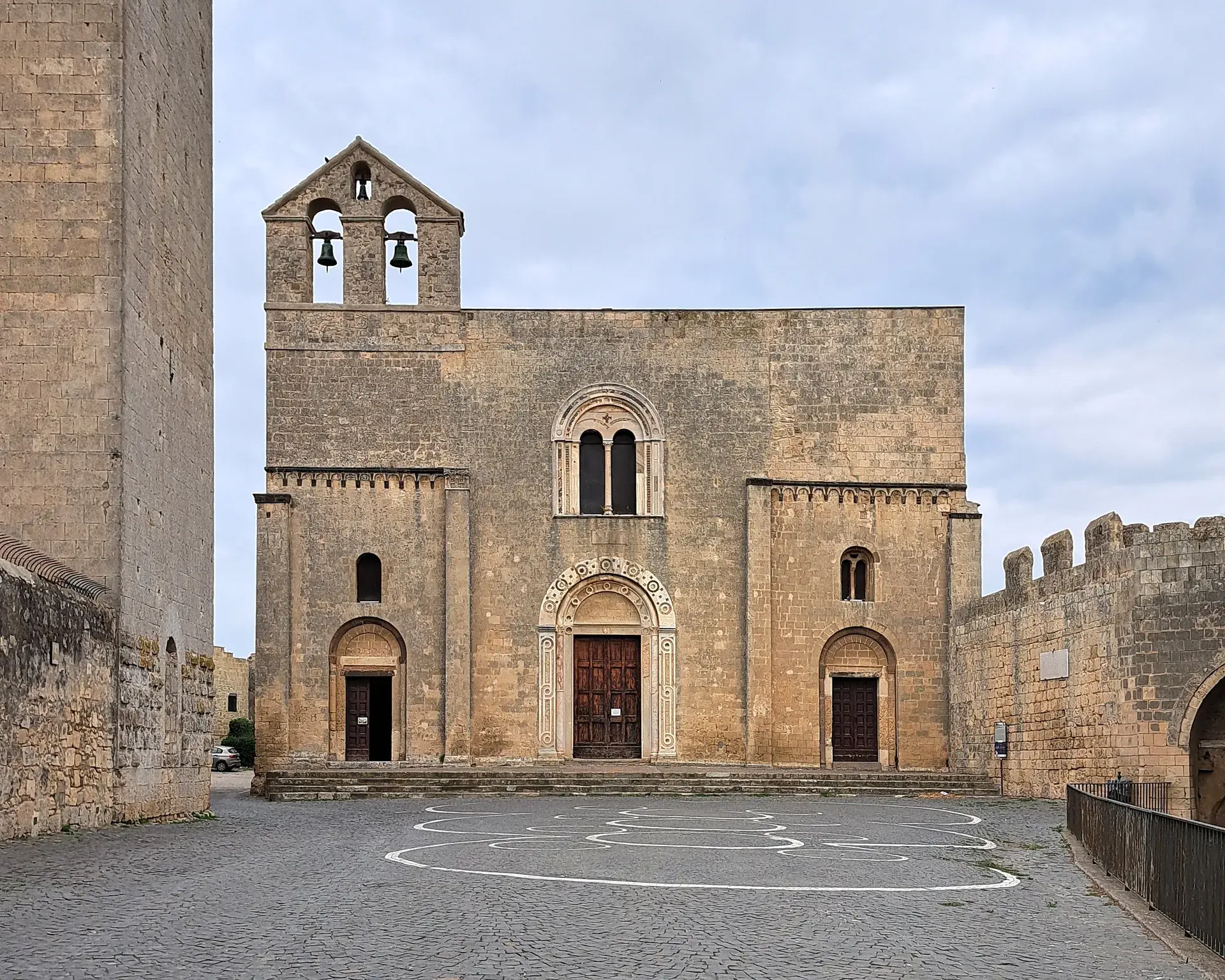
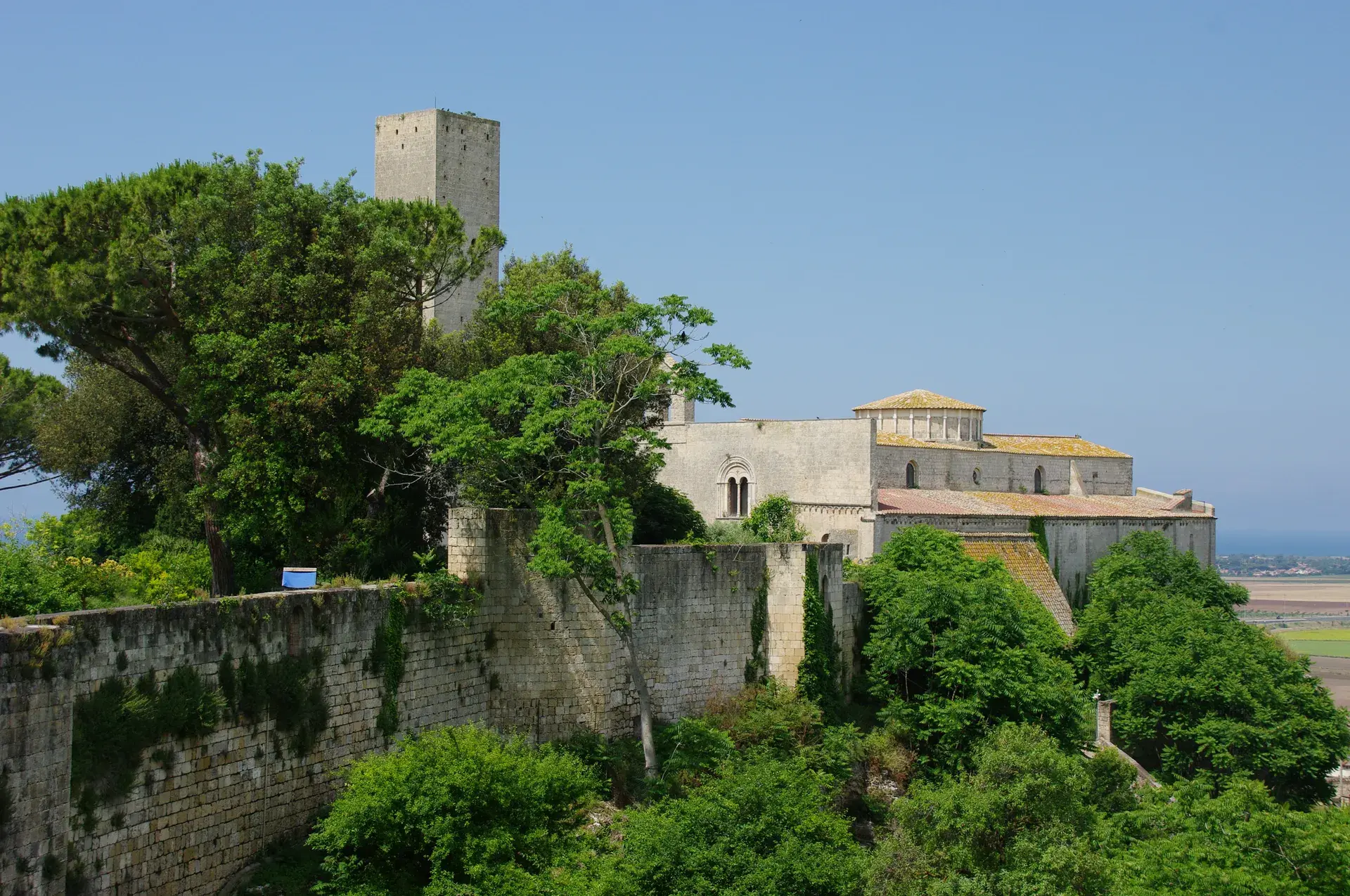
Standing along Via delle Torri and Via dell'Archetto in the northern medieval quarter of Tarquinia, Palazzo dei Priori is an imposing fortified stone complex. Dating primarily to the 12th and 13th centuries, with further modifications executed in the 15th century, the structure is situated near the deconsecrated 13th-century church of San Pancrazio.
The complex was created by amalgamating several independent domestic quarters and between four and six medieval defense towers. To unify these individual structures, builders incorporated courtyards, upper loggias, and large pointed arches (archi a sesto acuto). Constructed from weathered blocks of local golden macco limestone, the facade reflects the vertical architecture characteristic of the town during its medieval peak.
Communal History and the Priors' Legacy
During the 12th and 13th centuries, the settlement—then known as Corneto—prospered as an independent maritime and agricultural commune. Prominent magnate families erected fortified tower-houses to withstand factional urban conflict and visually assert political authority. Over time, as formal civic institutions superseded private aristocratic warfare, these neighboring domestic strongholds were stitched together into an integrated administrative venue.
The moniker "Palazzo dei Priori" was popularized in the 19th century by Luigi Dasti, an amateur historian and the first post-unification mayor of Tarquinia. Dasti posited that the consolidated tower complex had served as the official seat of the medieval Priors. While the name remains widely used, surviving medieval archives contain no direct contemporary documentation that explicitly designates the complex by this exact administrative title.
STAS Headquarters and Cultural Collections
Today, ownership of Palazzo dei Priori is divided between private residential units and the Società Tarquiniense d'Arte e Storia (STAS). The society acquired its portion of the property through a donation from the noble Sacchetti family and uses the complex as its operational headquarters. Within its wing, STAS maintains an extensive historical library, private family archives, and the Sala Sacchetti conference hall, which hosts public lectures and cultural exhibitions. In the loggia outside Sala Sacchetti stands Adolescente, a bronze sculpture by Aurelio De Felice dedicated to the Tarquinia-born poet Vincenzo Cardarelli.
The first floor of the complex houses the Museo della Ceramica d'Uso a Corneto, which overlooks Via delle Torri. The museum displays more than 300 everyday medieval and Renaissance items dating from the 13th to the 18th centuries, including glazed archaic majolica, coarse cooking pots, coins, glassware, and bone utensils.
Domestic Archaeology and Refuse Shafts
A notable element of the museum's collection is its provenance: much of the exhibited pottery was recovered directly from the building's own vertical waste chutes (butti). An authentic rubbish shaft remains open to view directly at the museum entrance. For centuries, residents disposed of household scraps and broken kitchenware down this shaft, leaving an accidental, stratified record of domestic life across multiple eras.
Complementing the ceramic displays is a reconstructed lower-level noble kitchen. Modeled on 2005 archaeological discoveries from the Savelli palace in Piazza del Duomo, the installation recreates domestic layouts and hearth cooking methods used in the area between the 12th and 17th centuries.
FAQ
How was Palazzo dei Priori constructed?
The complex was formed during the 12th and 13th centuries by interconnecting several private residential quarters and between four and six noble defense towers using pointed arches, courtyards, and upper loggias.
How did the building get the name Palazzo dei Priori?
The name was popularized by Luigi Dasti, Tarquinia's first post-unification mayor, who identified the structure as the former seat of the medieval Priors, though contemporary medieval archives do not explicitly confirm this title.
What is housed inside the complex today?
The complex is divided between private residences and the Società Tarquiniense d'Arte e Storia (STAS), which houses its headquarters, archives, library, and the Museo della Ceramica d'Uso a Corneto.
What are the historic waste chutes (butti) in the palace?
The butti are vertical rubbish shafts where residents discarded kitchen waste and broken pottery for centuries. An exposed shaft is preserved at the entrance of the ceramics museum, and its contents supplied much of the museum's artifact collection.