San Pancrazio in Tarquinia: Medieval Church and Tower
The Medieval Spine of Tarquinia
Situated where Via delle Torri converges toward Piazza Giacomo Matteotti, the Piazzetta di San Pancrazio represents a vital architectural junction in Tarquinia (historically known as Corneto). The square acts as a physical bridge between the town's earliest fortified quarter—encompassing the 11th-century church of San Martino and the promontory of Santa Maria in Castello—and the later communal administrative center around Piazza Matteotti.
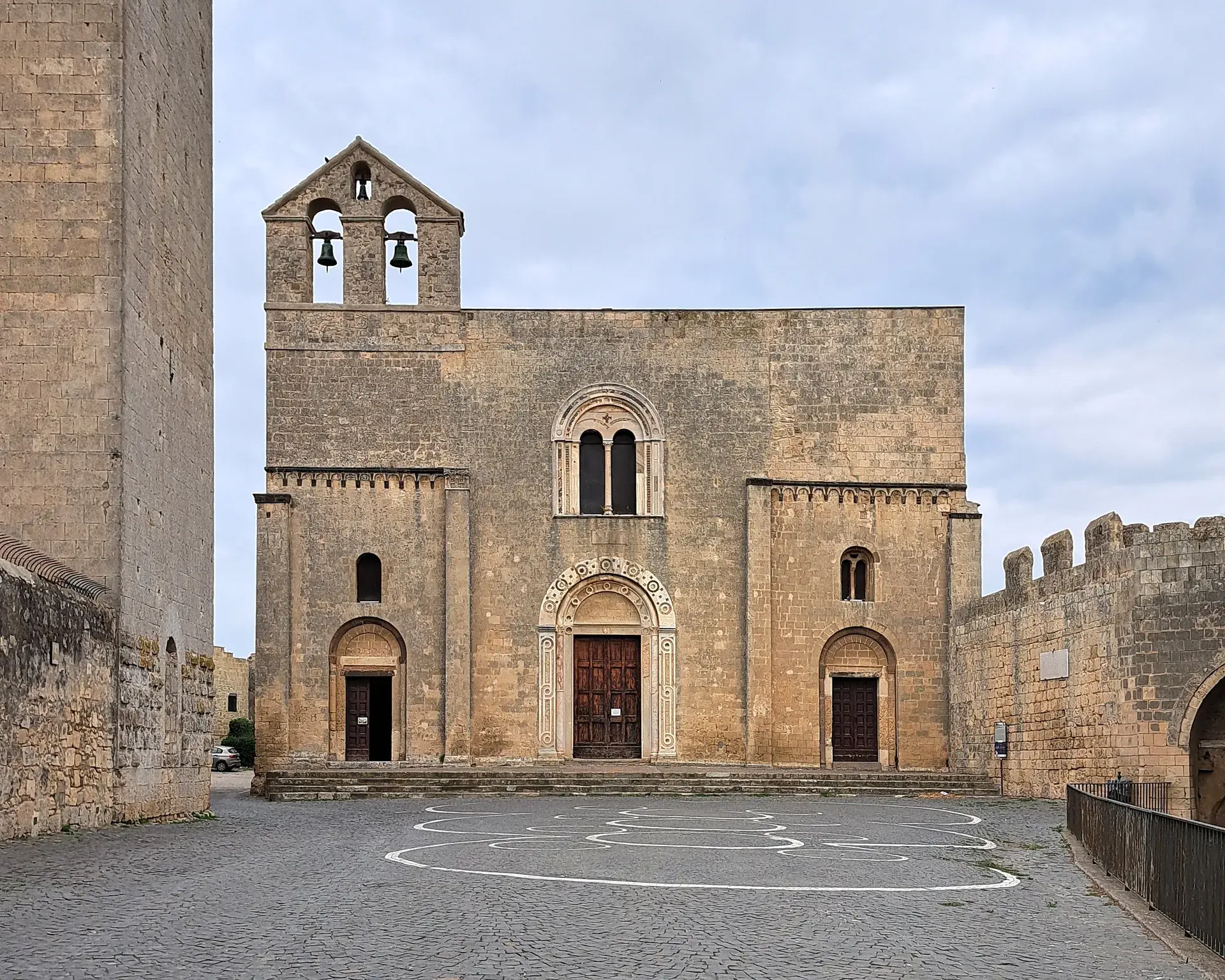
During the Middle Ages, this compact space functioned as a fortified enclave for aristocratic families. Local noble lineages raised private residential towers to defend against rivals during periods of fierce factional conflict. The high density of defensive stone structures around San Pancrazio and along Via delle Torri later prompted 19th- and 20th-century travel writers to refer to Tarquinia as the "San Gimignano of Lazio."
Architectural Features of San Pancrazio
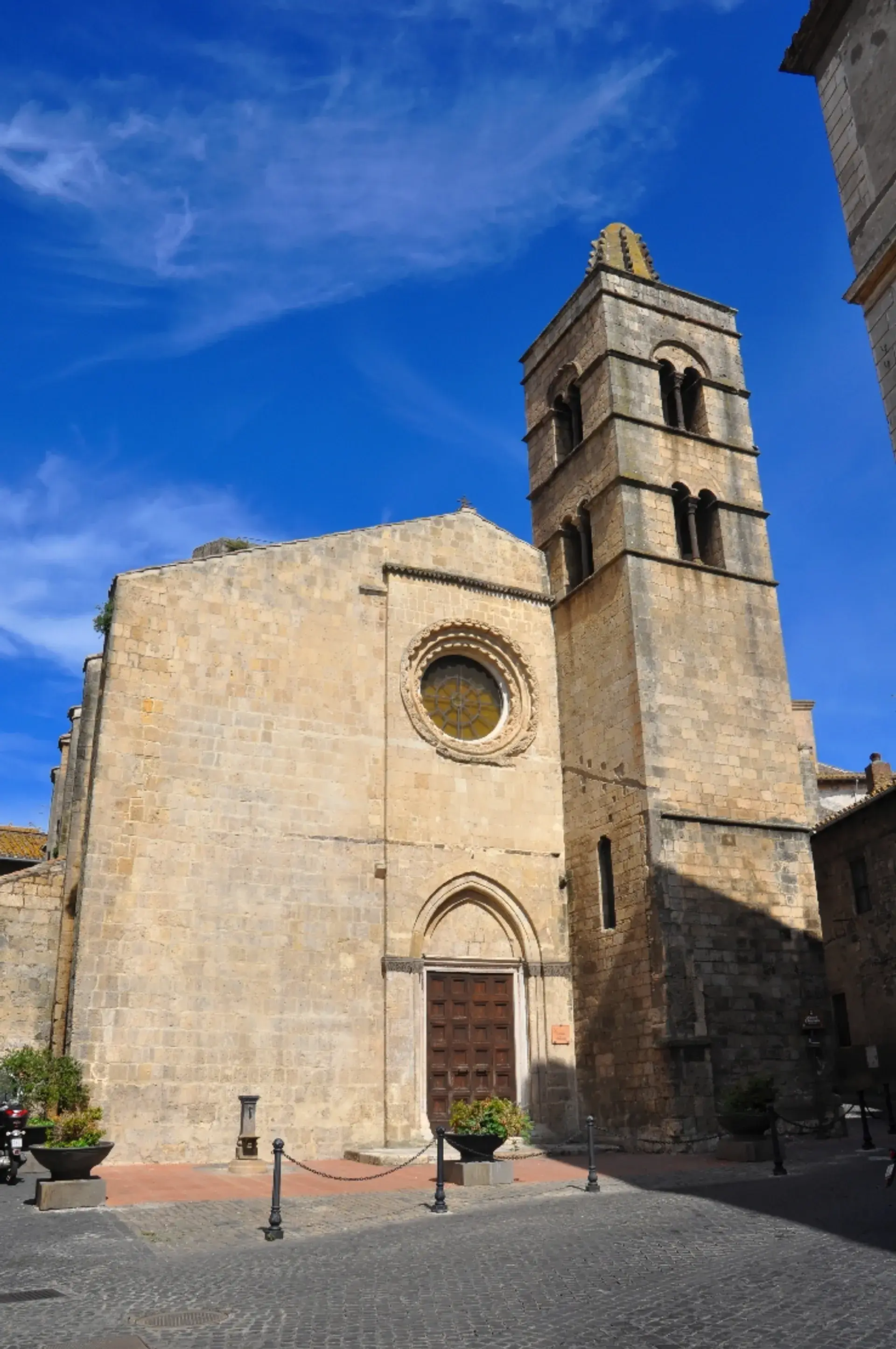
Constructed between the late 12th and early 13th centuries, the Church of San Pancrazio exemplifies the transition from Romanesque to early Gothic styles. Its gabled facade is built from rough, porous horizontal courses of yellowish local limestone known as macco. The entrance is marked by a pointed ogival portal surrounded by concentric arches, clustered columns, pilasters, and intricate Cosmatesque polychrome mosaic decoration.
Flanking the left side of the facade stands an integrated bell tower characterized by two tiers of round-arched two-light (bifore) windows and a crested conical spire. On the church's exterior left wall, an arched niche showcases a distinctive broken-rope (corda spezzata) carving. Historians associate this motif, alongside the crested spire, with southern Italian Norman and Moorish architectural traditions, representing an unusual decorative influence for northern Lazio.
Inside, the church opens into a single nave divided into two bays with timber roofing. This nave leads up to a raised, vaulted presbytery and terminates in a semicircular Romanesque apse containing surviving fresco fragments and historic stone carvings.
The Torre del Magistrato and Civic Governance
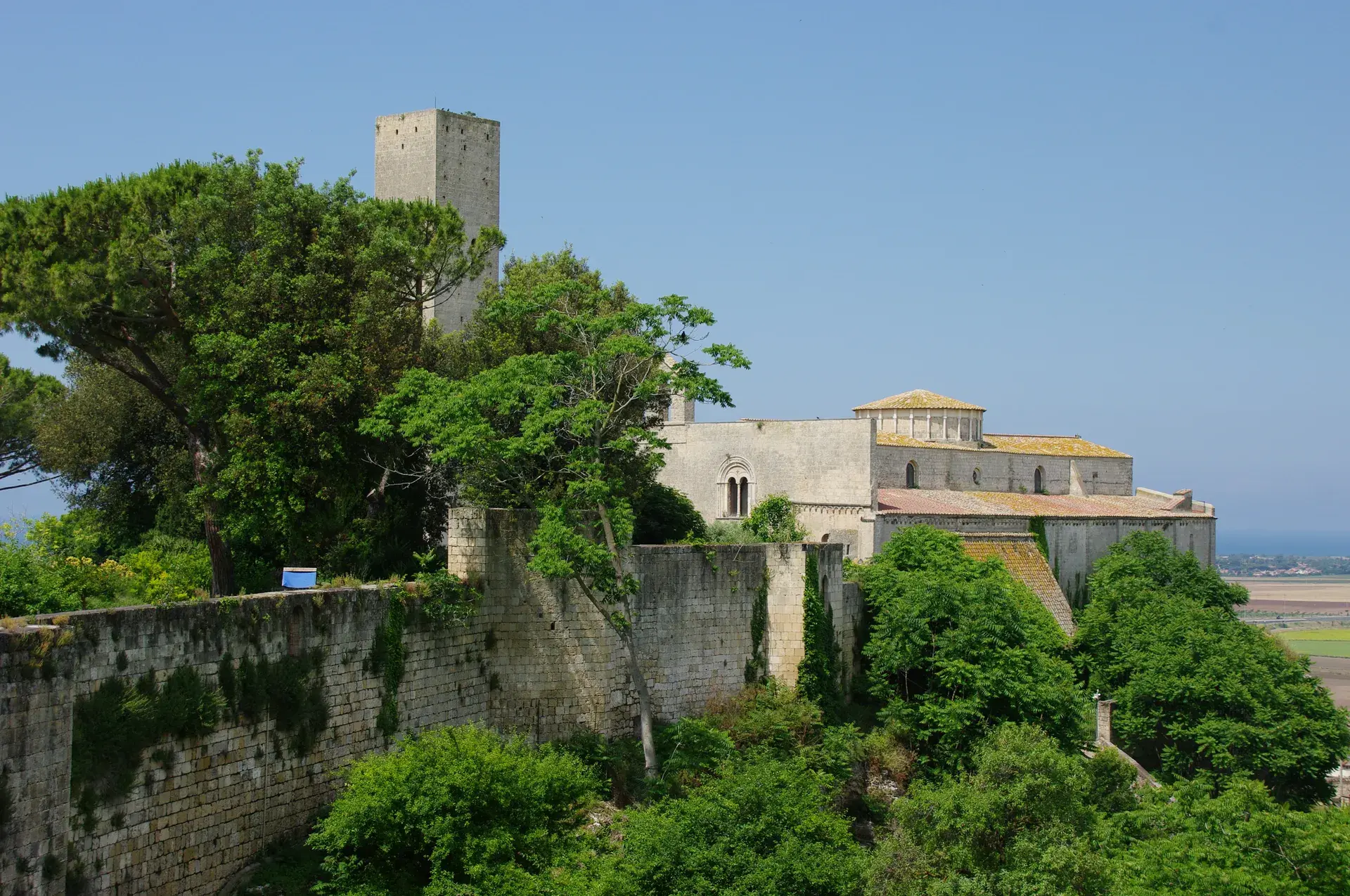
Adjacent to the church stands the Torre del Magistrato, dating to the 12th and 13th centuries. Constructed with a square floor plan, this defensive tower rises from a rusticated base and consists of horizontal macco masonry bound with a traditional mortar of lime, sand, and pozzolana.
In the era when Corneto operated as an autonomous medieval commune, religious and civic duties frequently overlapped. Before the town constructed dedicated municipal palaces, the Church of San Pancrazio served as the civic assembly hall. Municipal rites, the administration of official oaths, and the public reading of magistrate decrees all took place inside this sacred space under the shadow of the surrounding defensive towers.
Deconsecration and Contemporary Use
San Pancrazio underwent structural alterations in the 17th century and remained an active house of worship until its deconsecration in the early 20th century. Following a period of abandonment around World War II, municipal and regional restoration efforts commenced in the 1950s to stabilize the masonry, rehabilitate the timber roof, and preserve surviving interior frescoes and carvings.
Today, the deconsecrated church operates as the Auditorium San Pancrazio. Managed as a civic and diocesan cultural venue, it hosts art exhibitions, chamber concerts, sacred music performances, and public lectures while serving as a prominent stop along the historic walking route through medieval Tarquinia.
FAQ
What is the architectural style of San Pancrazio?
The Church of San Pancrazio was built in the late 12th to early 13th century and features a transition between Romanesque and early Gothic architecture, accented with Cosmatesque mosaic details and Norman-Moorish influences.
How was San Pancrazio used in medieval civic life?
During the 12th and 13th centuries, before freestanding civic palaces were completed, San Pancrazio functioned as the commune's assembly hall where magistrates delivered decrees and civic oaths were sworn.
What is the Torre del Magistrato?
The Torre del Magistrato is a 12th-to-13th-century square-plan defensive tower located next to San Pancrazio, constructed from local macco stone mortared with lime, sand, and pozzolana over a rusticated base.
What is the building used for today?
Now deconsecrated, the structure functions as the Auditorium San Pancrazio, hosting art exhibitions, lectures, and musical performances.