Iron Gate: University of Coimbra Historic Portal
Approach the ornate Iron Gate, a striking historic portal marking a ceremonial threshold into the university's historic core. Known as the Porta Férrea, this late Mannerist double-sided triumphal arch is the ceremonial entrance to the Paço das Escolas. As part of the University of Coimbra UNESCO World Heritage site inscribed in 2013, the archway represents the symbiosis between royal power and higher education.
From Citadel to Academic Center
The Iron Gate stands on the site of a former fortified entrance to a 10th-century Islamic citadel, known as the Alcáçova. By the 12th century, under King Afonso Henriques, this complex had transformed into Portugal's first Royal Palace. After King João III permanently relocated the university to Coimbra in 1537, the institution leased and eventually purchased the Royal Palace complex in 1597. Replacing the fortified medieval palace gate, the Porta Férrea was commissioned as the university's first major architectural project to celebrate its royal foundations.
Architectural Design and Dual Symbolism
Construction on the gate began in 1634 during the rectorship of Dom Álvaro da Costa. The structure was designed by Coimbra architect António Tavares, built by master builder Isidro Manuel, and features statuary executed by sculptor Manuel de Sousa. It derives its name from the heavy wrought-iron gate and transom grille added in 1640. Embedded into the old perimeter walls, the structure functions as a dual-faced history lesson. The exterior portal, facing the secular city, features a statue of King Dinis, who originally founded the university in 1290, flanked by allegories of the Faculty of Civil Law and the Faculty of Medicine. The interior portal, facing the courtyard, highlights King João III alongside allegories of the Faculty of Theology and the Faculty of Canon Law. Both facades are crowned by a seated allegorical figure of Wisdom holding an open book and the university's emblem.
A Symbolic and Sensory Threshold
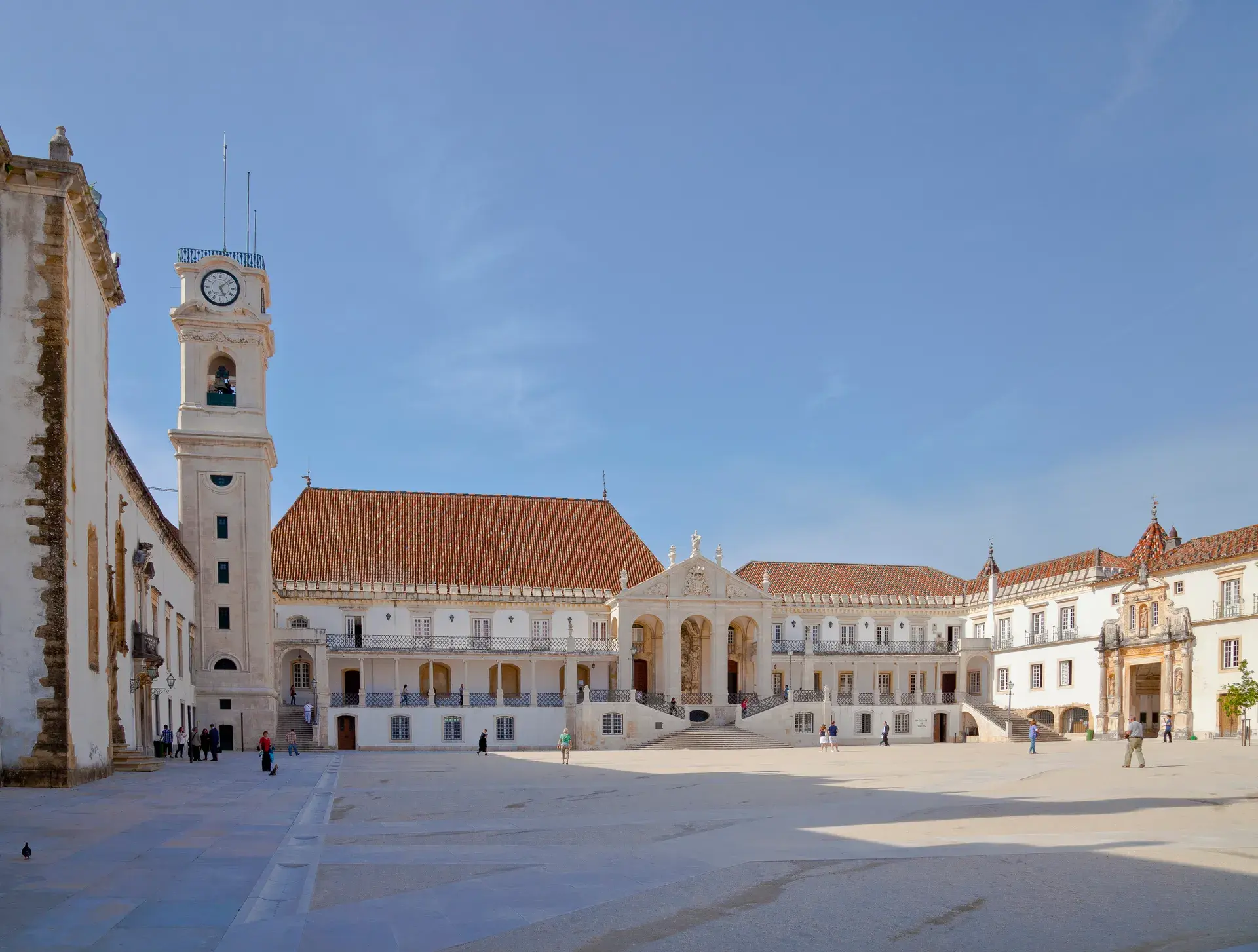
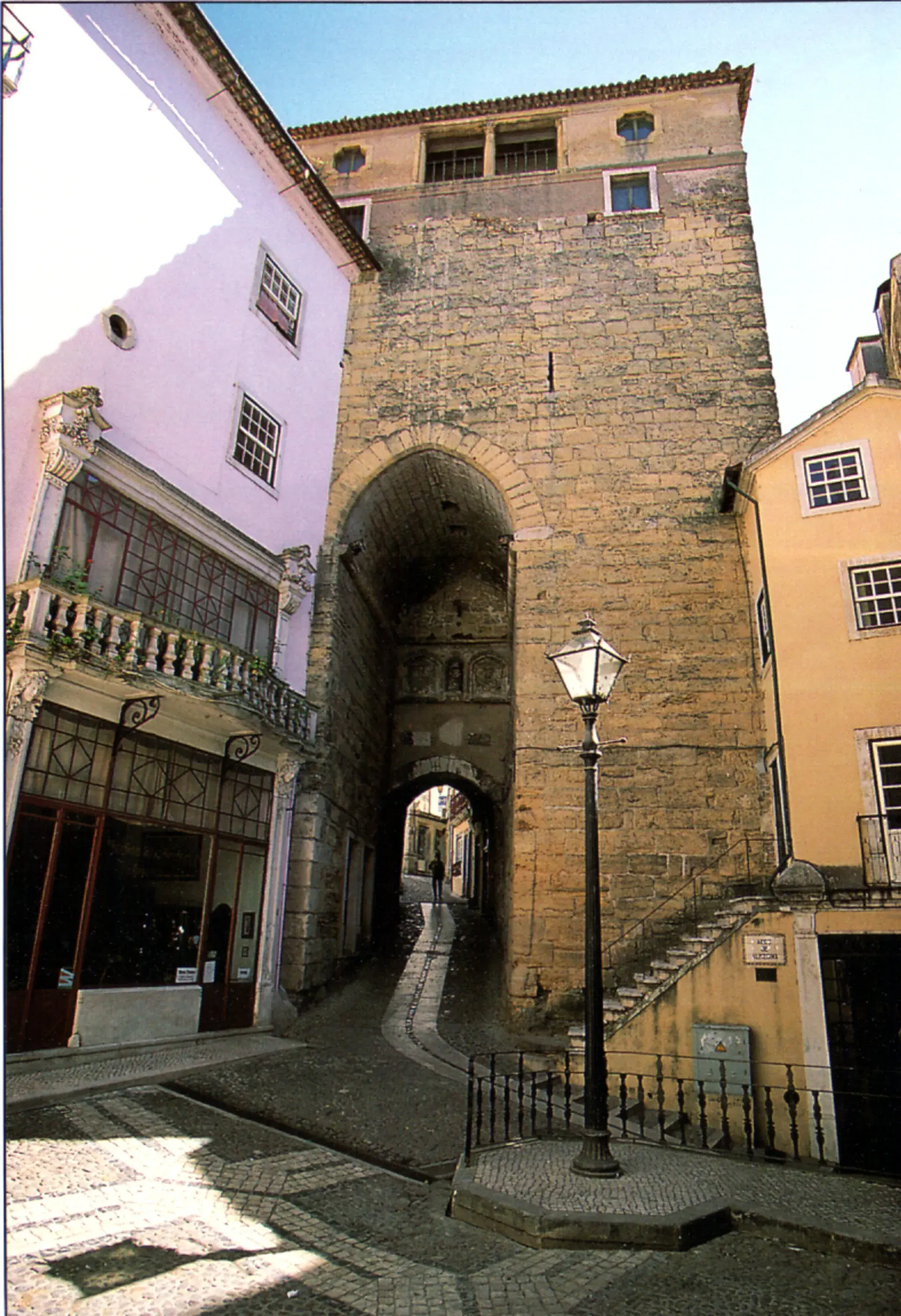
Located at the crest of the steep Upper Town (Alta de Coimbra), the gate forms a historic boundary separating the secular city from the autonomous academic realm. Moving through the vaulted, shaded stone archway creates a dramatic transition from the dense, narrow alleys to the expansive open terrace of the Pátio das Escolas. The passageway features weathered 17th-century limestone carvings and frames a direct sightline to the university's central clock tower, A Cabra. The reverberation of footsteps across the stone-paved floor has echoed through the centuries, as the gate remains an active daily passage for students, faculty, and international visitors.
Hidden Curiosities and Academic Traditions
Beyond its primary architectural purpose, the Iron Gate harbors unique historical additions and academic customs. In the late 17th century, an elevated, enclosed corridor was constructed above the gate to connect the Rectory directly with the neighboring College of Saint Peter. Additionally, the space beneath the archway historically functioned as a strategic staging ground for university initiation rituals, known as praxe. Here, senior students would wait to intercept and haze newly arrived freshmen before the university began regulating the practice.
FAQ
Why is the entrance called the Iron Gate?
The Porta Férrea is named for the heavy wrought-iron gate and transom grille that enclose the arched entryway, which feature leaves dating back to 1640.
Who are the figures depicted on the Iron Gate?
The exterior features King Dinis, the university's founder, flanked by allegories of Civil Law and Medicine. The interior displays King João III, who moved the institution to Coimbra, beside Theology and Canon Law. Both sides are crowned by the figure of Wisdom.
What existed at the site before the Iron Gate?
The gate occupies the original site of a fortified entrance to a 10th-century Islamic citadel. This location later became Portugal's first Royal Palace in the 12th century before the university purchased the complex in 1597.