Old Cathedral of Coimbra: Romanesque Fortress
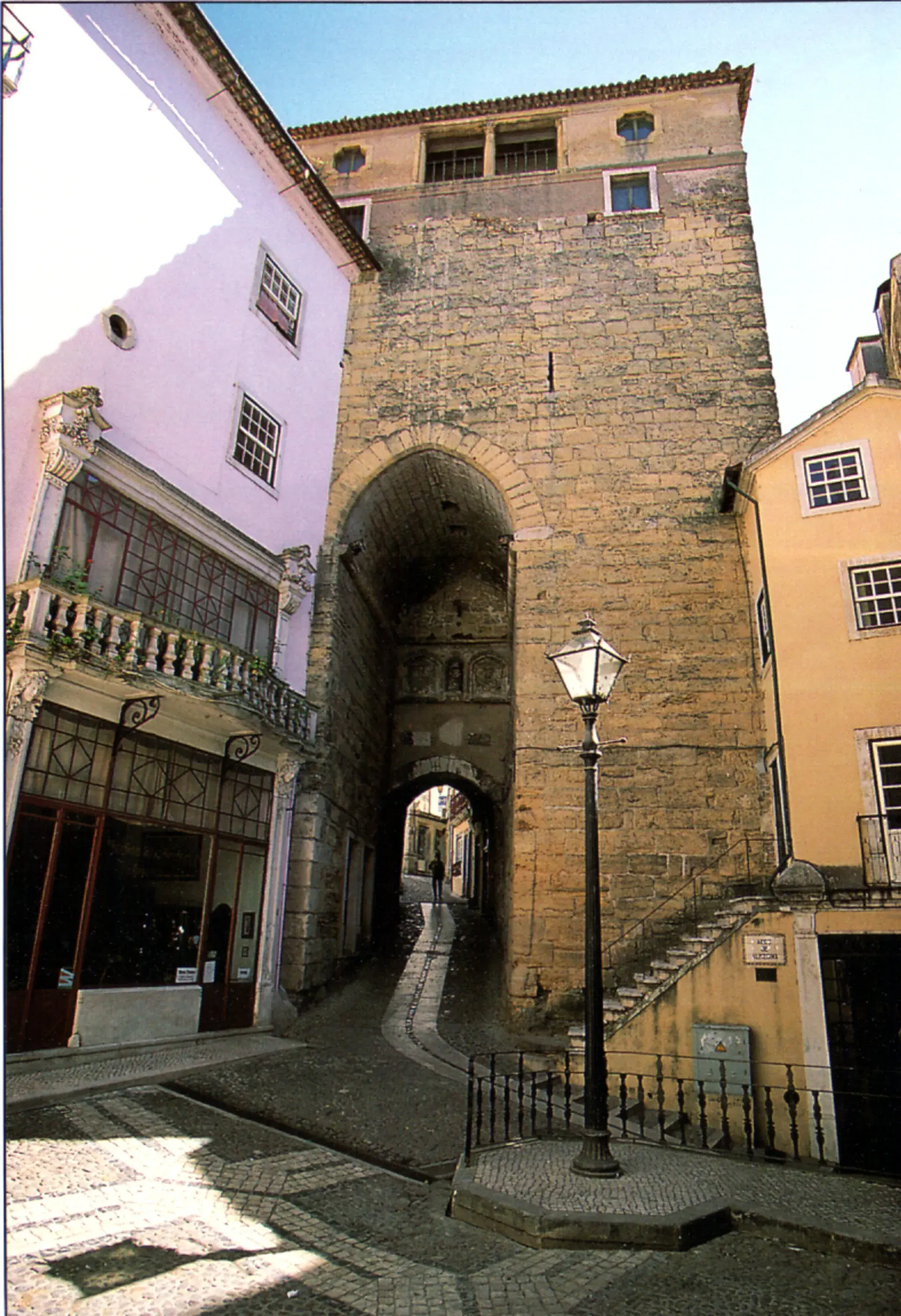
Admire the formidable fortress-like stone facade and crenellated walls of the Old Cathedral of Coimbra, standing as a striking example of Romanesque architecture. Set within the steep, winding street network of the upper historic core (Alta), it is the only Portuguese cathedral from the Reconquista period to survive essentially intact.
A Fortress for a Nascent Kingdom
Built to project both spiritual authority and military strength, the cathedral was initiated by King Afonso Henriques in the 12th century. Following the Battle of Ourique in 1139, Coimbra was established as the capital of the nascent Kingdom of Portugal, and the new cathedral replaced an earlier, decayed seat.
The architectural project was driven by funding from Bishop Miguel Salomão around 1162 and executed by French-born Master Robert, alongside Master Bernard and Master Soeiro. The resulting structure features thick, rough-hewn cream limestone walls, narrow slit windows, and defensive battlements. Its central tower-like western facade closely resembles a fortified military outpost.
Romanesque Architecture and Mozarabic Influences
Inside, the barrel-vaulted central nave and thick stone surfaces create an atmosphere characterized by deep gloom and cool temperatures. This heavy Romanesque interior is illuminated by natural light entering through the lantern tower and western window. The light naturally directs attention to the apse, which houses a gleaming, gilded, and polychrome late-Gothic wood altarpiece crafted by Olivier de Gand and Jean d’Ypres.
Despite its status as a major Catholic cathedral, the interior harbors a surprising artistic detail. The church features approximately 380 carved stone capitals that virtually omit human depictions and traditional biblical scenes. Instead, these capitals are adorned with vegetal motifs, geometric patterns, and hybrid creatures like centaurs, displaying strong Arab, Mozarabic, and pre-Romanesque artistic influences.
Royal History and Renaissance Additions
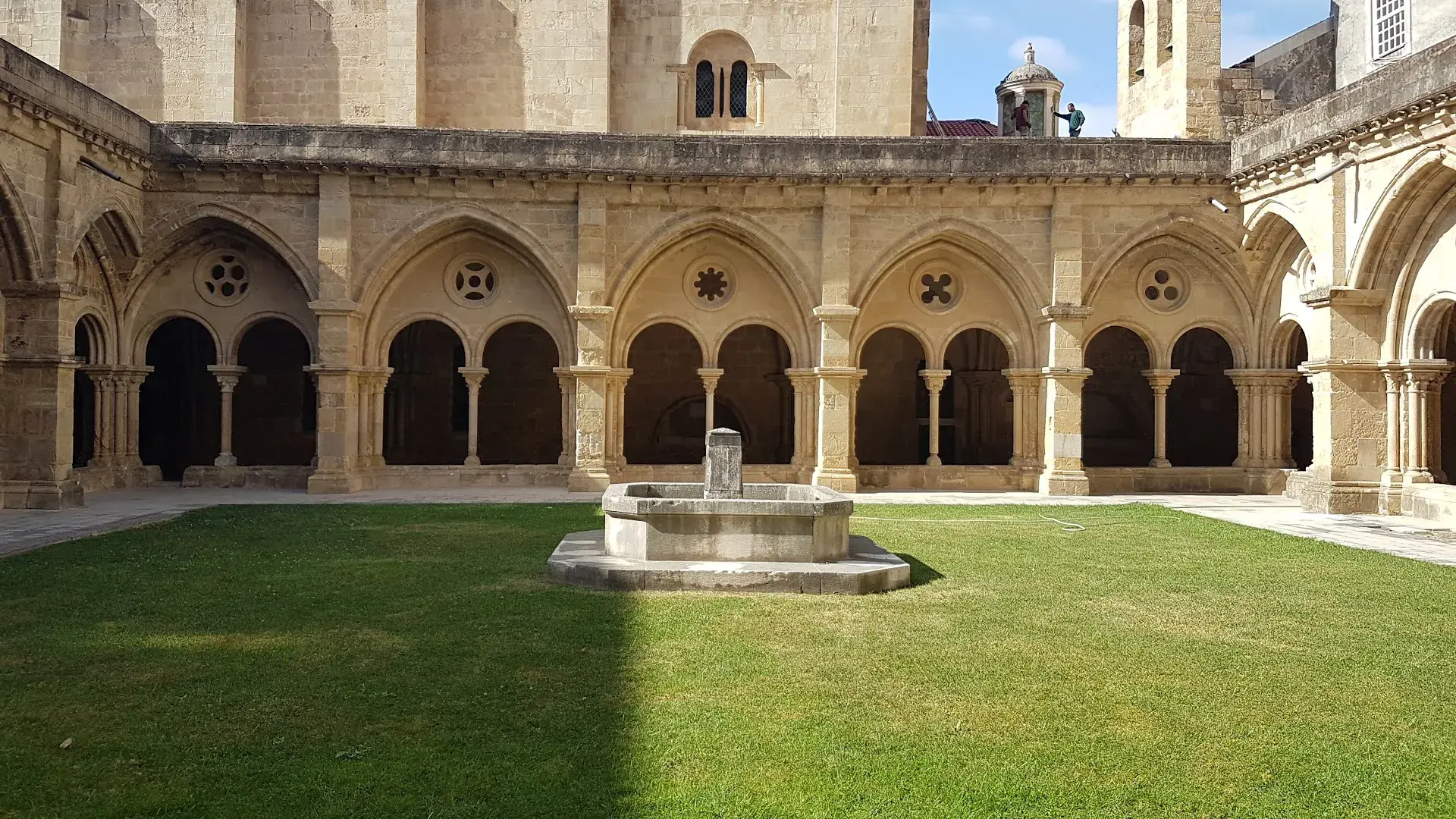
The cathedral holds deep ties to the early Portuguese monarchy. In 1185, King Sancho I, Portugal's second monarch, was crowned inside the building while construction was still ongoing. By the early 13th century, the main church was completed, and an early Gothic cloister was added beginning in 1218 under King Afonso II.
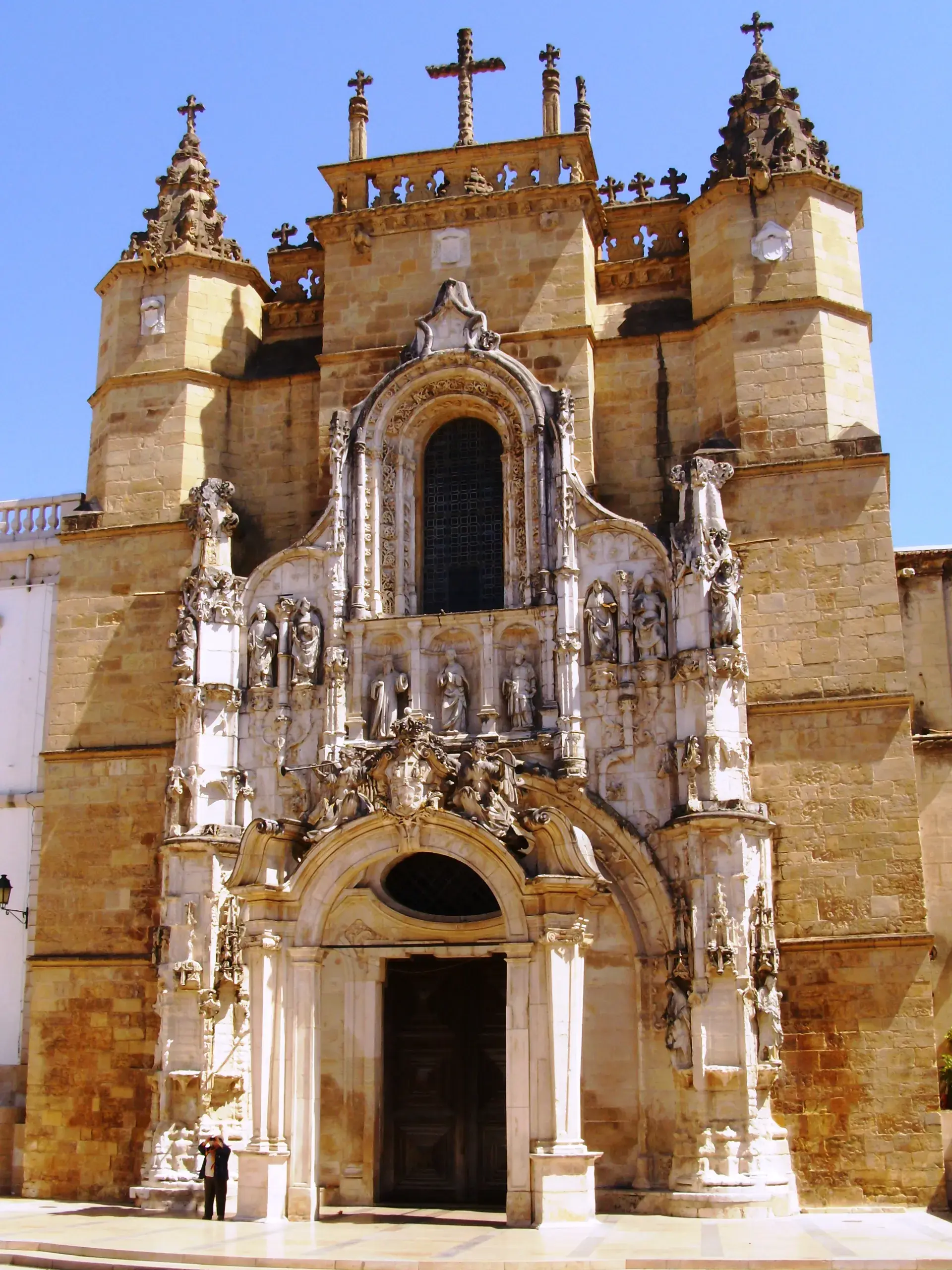
Centuries later, the structure received striking new additions. The north side features the elaborate 16th-century Porta Especiosa (Spacious Gate). Sculpted by João de Ruão in the style of an Italian Renaissance retable, it provides a stark contrast to the heavy Romanesque main facade. The cathedral also serves as the burial site for the first Count of Coimbra, the Mozarab leader Sisnando Davides.
A Living Cultural Monument
The building served as the episcopal seat until 1772, when the bishopric was moved uphill to the former Jesuit College Church. This transition relegated the medieval building to its current status as the "Old" Cathedral. Today, it functions as an active Catholic parish church and operates as a paid historic monument, welcoming visitors to its nave, Gothic cloister, and treasury.
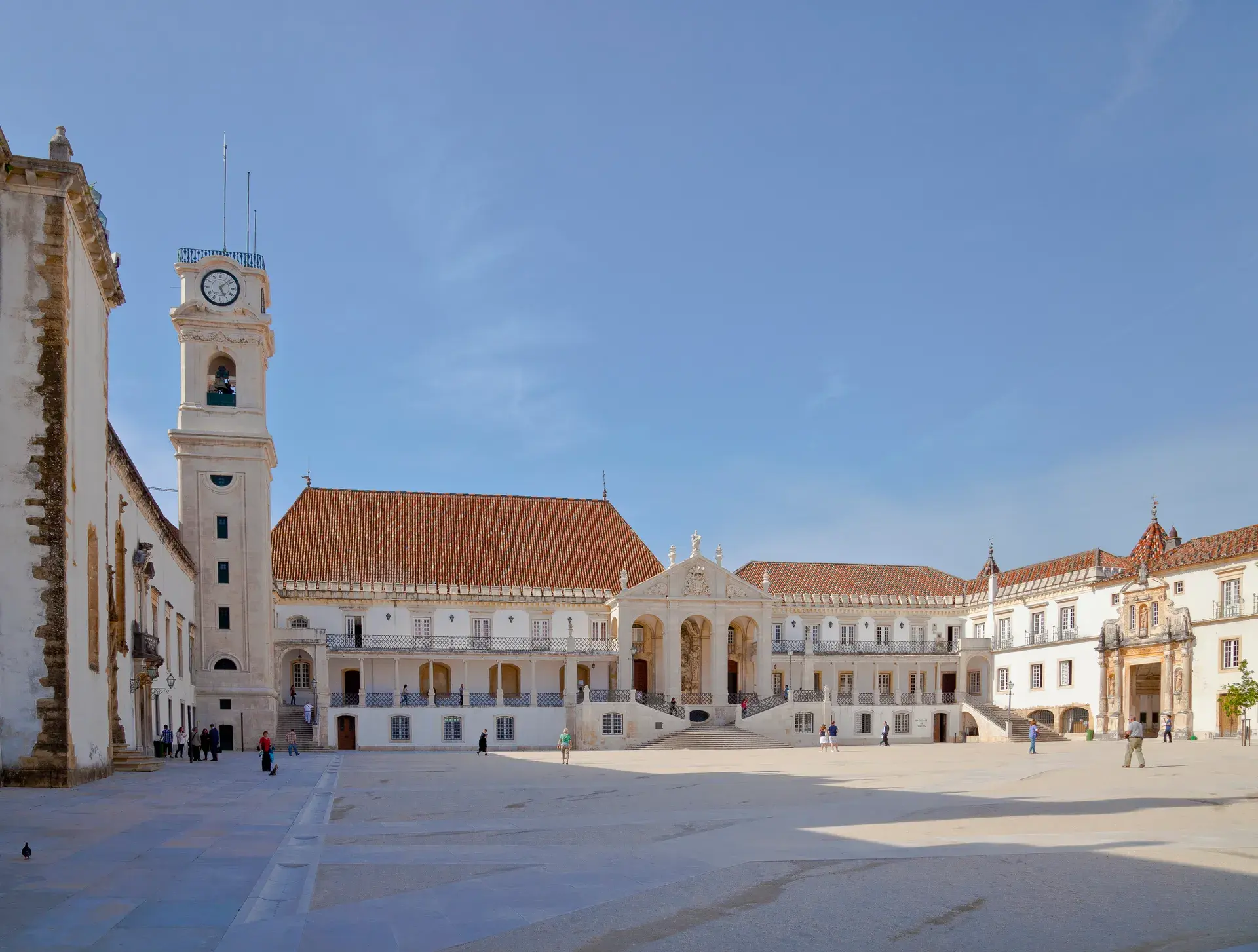
The cathedral's exterior square and steps remain deeply ingrained in the city's academic traditions. They serve as the traditional open-air venue for the Serenata Monumental, where Coimbra university students sing Coimbra Fado to open the annual Queima das Fitas festivities in May. Fittingly, the cathedral is located directly across from the historic house of José "Zeca" Afonso, a pivotal anti-fascist composer and central figure in Coimbra Fado.
FAQ
When was the Old Cathedral of Coimbra built?
Construction began in the 12th century under King Afonso Henriques, following the Battle of Ourique in 1139. The main church was completed in the early 13th century, with an early Gothic cloister added beginning in 1218.
Why does the Old Cathedral of Coimbra look like a castle?
Built during the Reconquista period, the cathedral was designed to project both spiritual authority and military strength. It features thick limestone walls, defensive battlements, and narrow slit windows typical of a fortified outpost.
Who is buried in the Old Cathedral of Coimbra?
The cathedral serves as the burial site for the first Count of Coimbra, a Mozarab leader named Sisnando Davides.
What is the Old Cathedral of Coimbra used for today?
Today, it functions as an active Catholic parish church and a paid historic monument. Additionally, the steps outside serve as a traditional venue for university students to sing Coimbra Fado during the annual Queima das Fitas festivities.
Discover Coimbra like never before
Dive into Coimbra hidden stories and secret spots with Ciceru interactive tours.
Explore tour
Audioguide
Quizzes
Maps
Solo
Couples
Groups & families

© Photo by gian marco Ortalli via Google Maps · Google Places