Aqueduct Água de Prata: Évora's Inhabited Arches
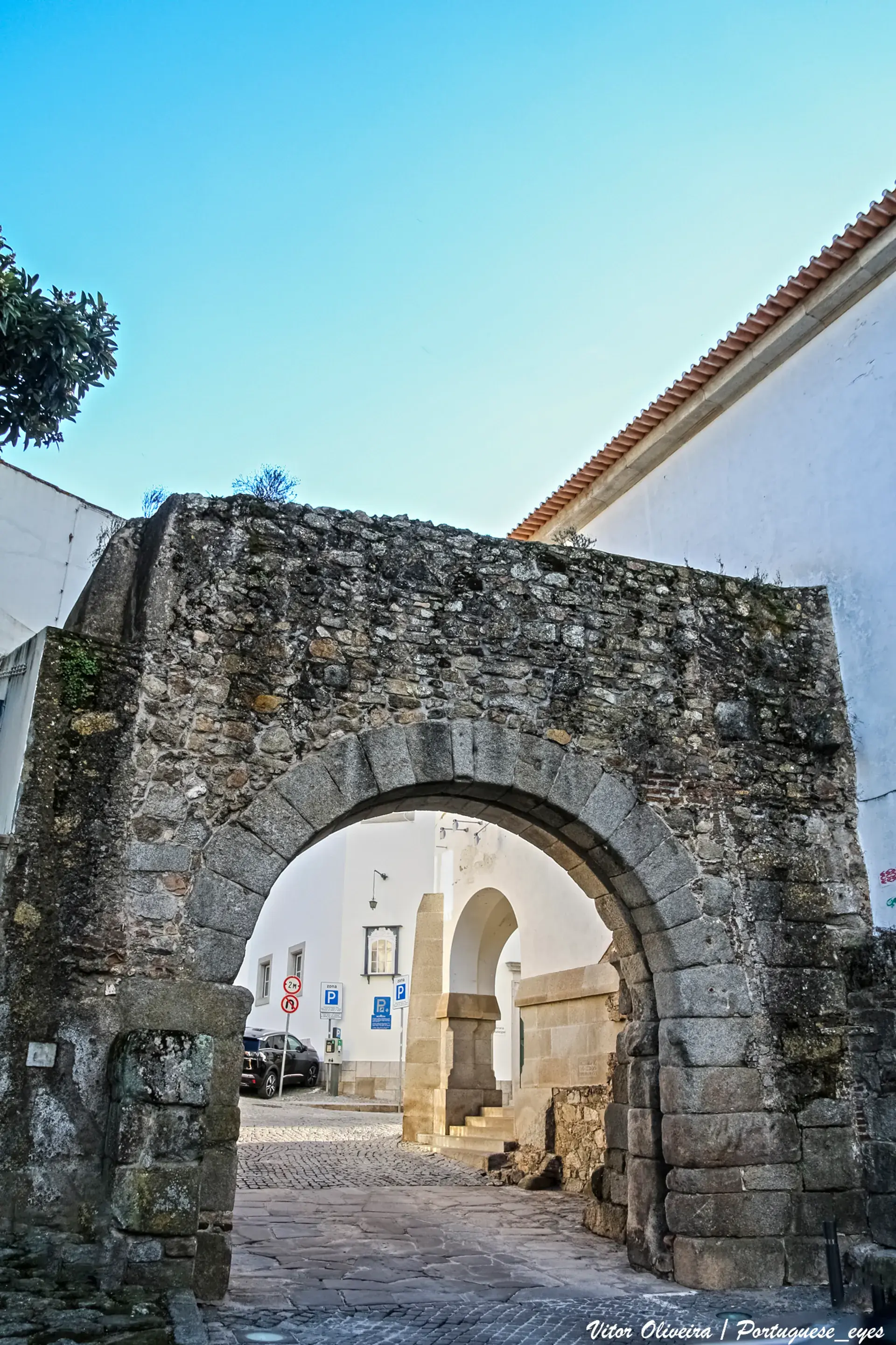
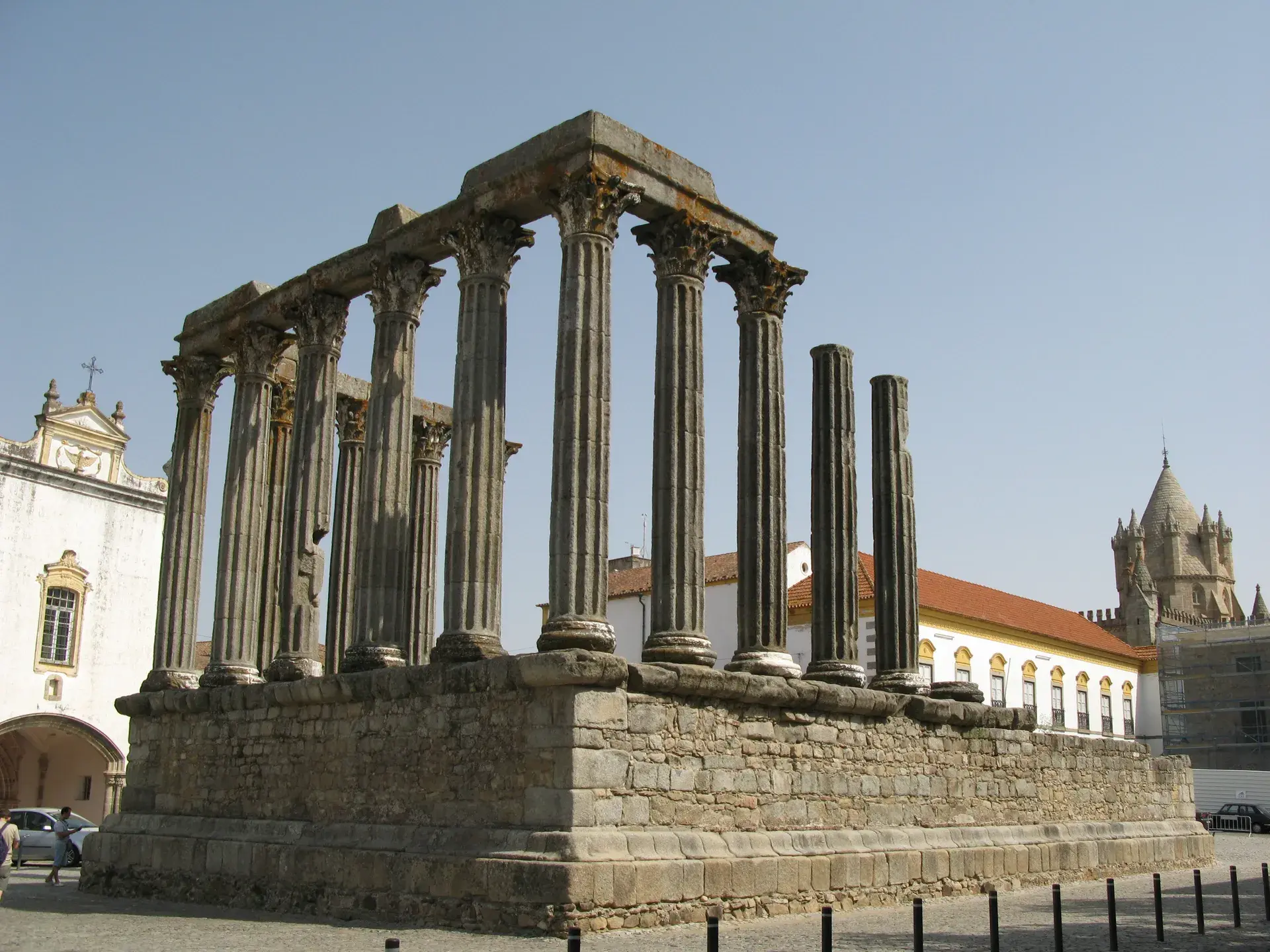
The Aqueduto da Água de Prata, or Silver Water Aqueduct, stands as a defining structural masterpiece within the UNESCO World Heritage Historic Centre of Évora. Classified as a Portuguese National Monument in 1910, this 16th-century hydraulic system physically bridges the gap between the city's outer defensive walls and central landmarks like Praça do Giraldo and the Roman Temple.
A Renaissance Solution for a Dry City
Due to the dry Alentejo summers and reliance on limited well water, Évora frequently suffered from shortages as the town expanded. To solve this crisis, King John III commissioned a major Renaissance hydraulic project to bring a continuous supply of spring water directly into the urban core.
Royal architect Francisco de Arruda directed the monumental construction between 1531 and 1537. The completed system stretched approximately 18 kilometers from freshwater springs in Graça do Divor into the city center. At their peak, the imposing exterior arches reached heights of up to 26 meters, successfully channeling water to public fountains across Évora.
Homes Built Into the Arches
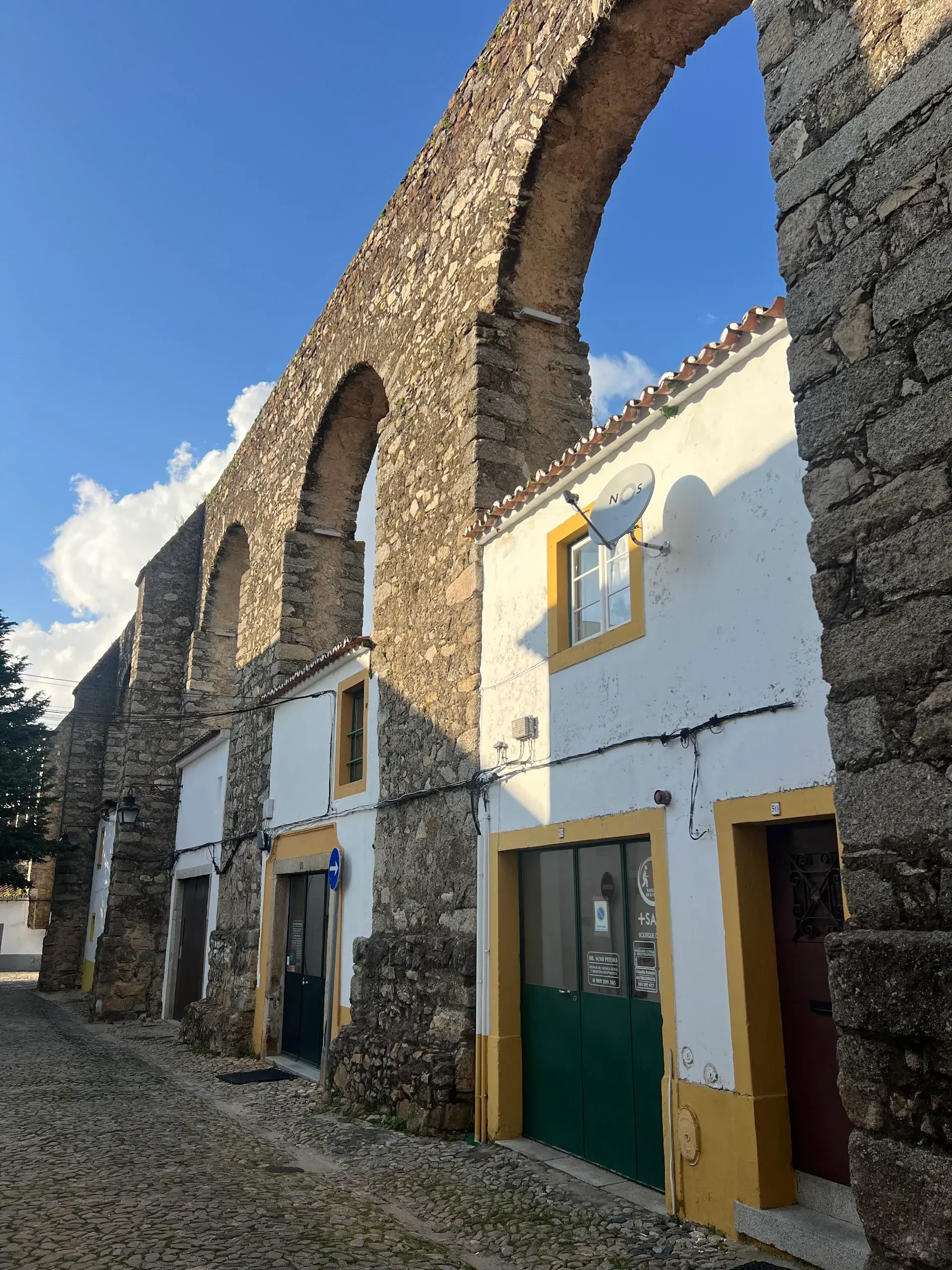
As urban space inside the historic city walls became scarce over the centuries, local residents began incorporating the granite arcade directly into their domestic architecture. Today, the most famous section of this integration is found along Rua do Cano, extending toward Rua do Salvador and Travessa das Nunes.
Here, domestic structures treat the 16th-century monument as structural load-bearing party walls. Whitewashed residential facades contrast sharply against the exposed Renaissance granite piers. Door frames, tiled roofs, and second-story living spaces fit snugly into the curves of the arches, creating a narrow urban canyon as the granite arches taper in height and the street slopes inward.
Silver Water and Epic Poetry
The aqueduct's name carries a dual legacy. While popular folklore claims "Água de Prata" refers to the astronomical cost of the project in barrels of silver, historical records link it to the pure, silvery clarity of the spring source at Fonte da Prata.
The sheer scale of the aqueduct left a lasting mark on Portuguese culture, with the country's national poet, Luís Vaz de Camões, praising the monumental work in his celebrated epic, "Os Lusíadas." Architect Francisco de Arruda's influence also extended beyond the aqueduct, as he designed a Renaissance water distribution box supported by Tuscan columns on nearby Rua Nova de Santiago.
Modern Trails and Preservation
Currently, Rua do Cano remains an active residential and commercial street, with private homes, artisan workshops, and cafés embedded directly beneath the arches. The urban portion of the aqueduct functions as a pedestrian link through the historic center. Further out, the rural route transforms into the Percurso da Água de Prata, operating as a dedicated walking and cycling trail alongside the imposing stone structure.
FAQ
Who designed the Aqueduct Água de Prata?
The aqueduct was designed by royal architect Francisco de Arruda, who oversaw its construction between 1531 and 1537 under the commission of King John III.
Why are there houses built into the aqueduct?
As space within Évora's historic city walls became limited over the centuries, residents began building their homes directly into the granite arcade, using the arches as load-bearing party walls.
How long is the Aqueduct Água de Prata?
The entire hydraulic system stretches approximately 18 kilometers, running from freshwater springs in Graça do Divor directly into the Évora city center.
What does Água de Prata mean?
It translates to "Silver Water." While folklore suggests it refers to the astronomical cost of construction, historical records associate the name with the silvery clarity of its spring source.
Discover Evora like never before
Dive into Evora hidden stories and secret spots with Ciceru interactive tours.
Explore tour
Audioguide
Quizzes
Maps
Solo
Couples
Groups & families

© Photo by Mattias Haraldsson via Google Maps · Google Places