Arco Romano de Dona Isabel: Évora's Hidden Gate
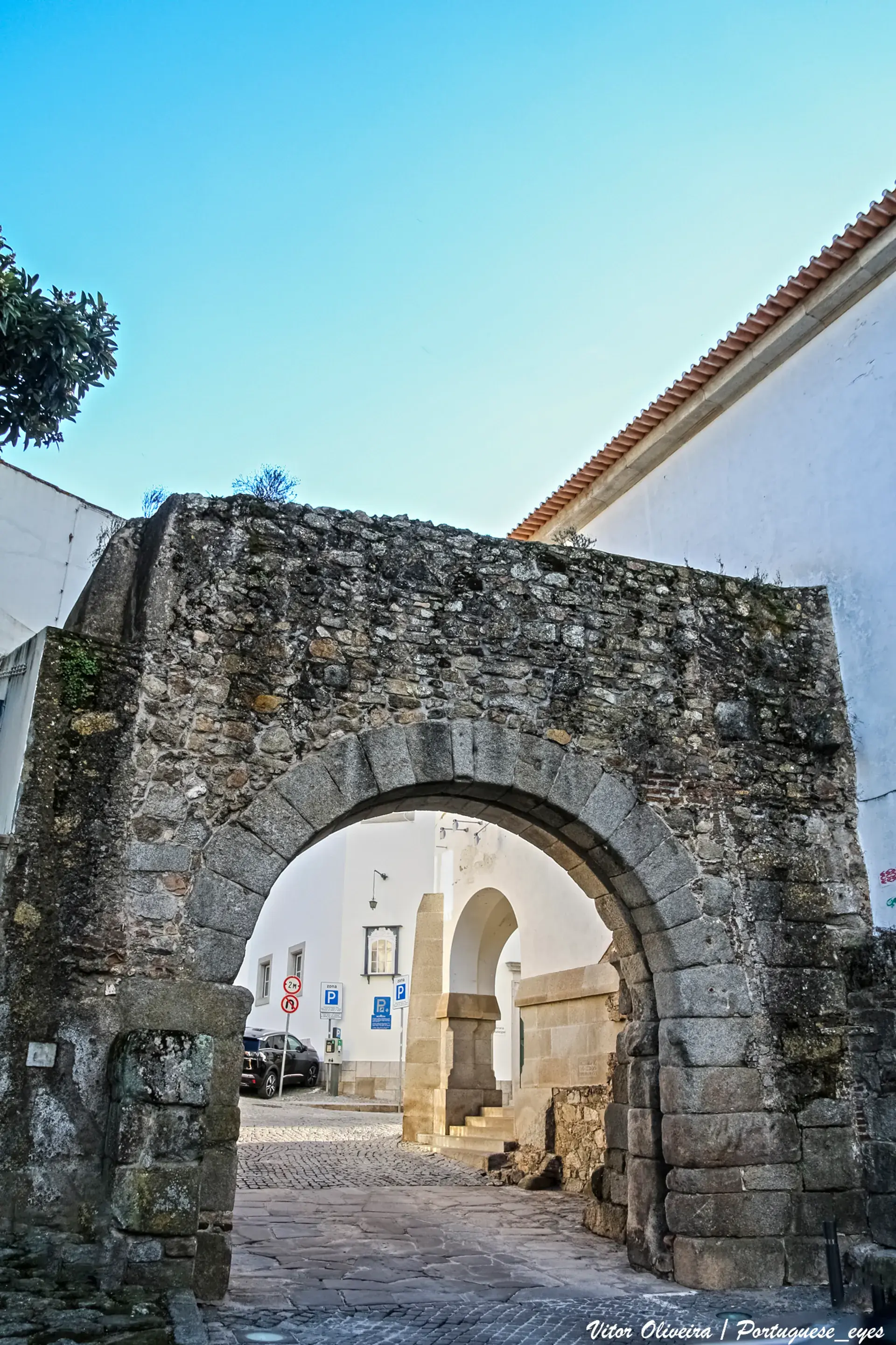
The Arco Romano de Dona Isabel, also known as Porta de D. Isabel, is a remarkable surviving Roman city gate in Évora. Built between the late 2nd and early 3rd century AD, this ancient structure offers a glimpse into the layout of the city's original upper town, or acropolis. Today, it stands as a Portuguese National Monument within Évora's UNESCO World Heritage Historic Centre.
A Surviving Roman Defense
The gate originally served as a formal entrance through Évora's earliest Roman defensive wall, known as the Cerca Velha. This early fortification circuit enclosed an area of approximately 10 hectares. Over the centuries, the original Roman guard towers and battlements that once flanked the gate were lost to urban reuse and expansion. However, the heavy granite arch itself survived intact.
Swallowed by the City
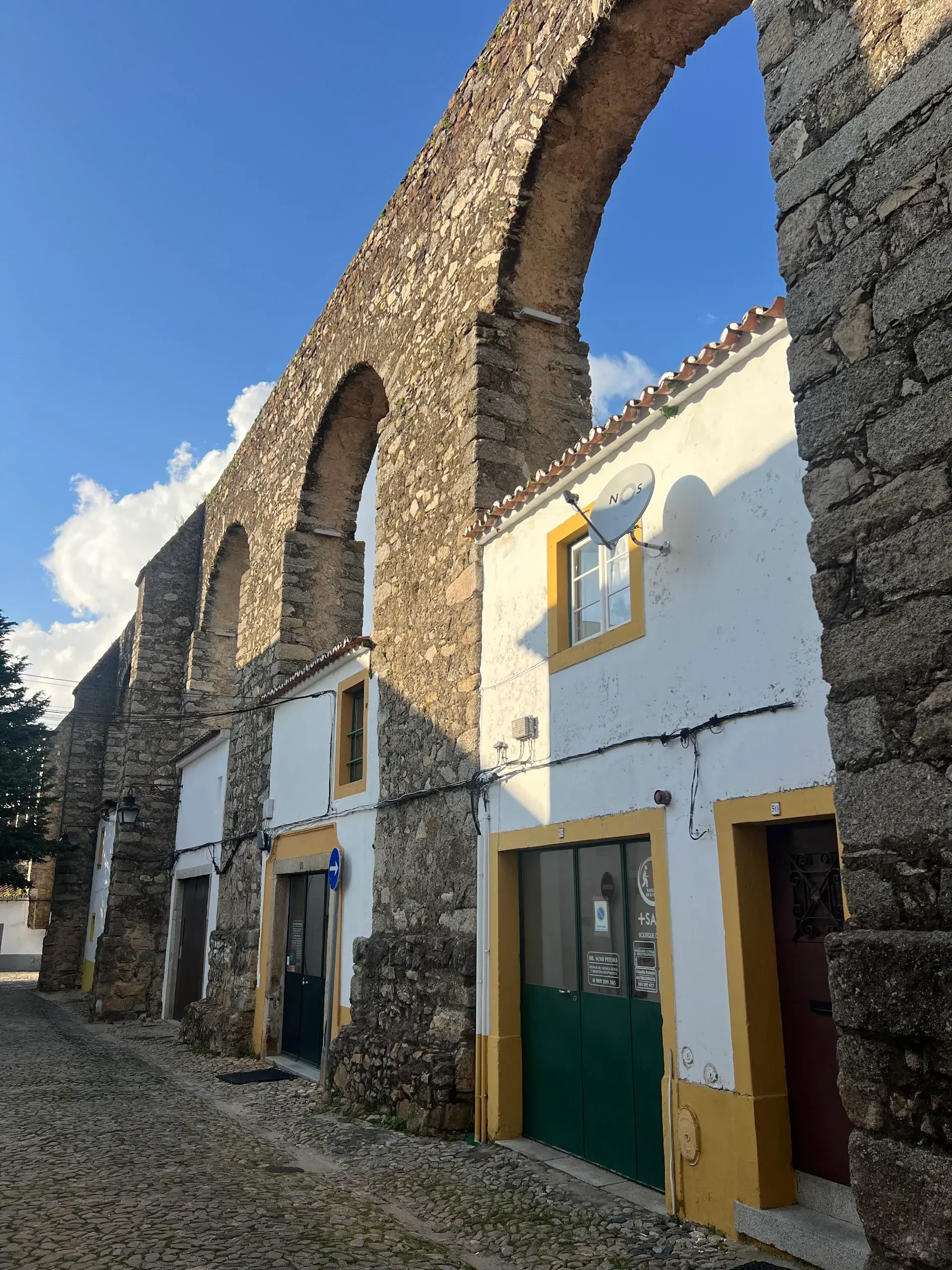
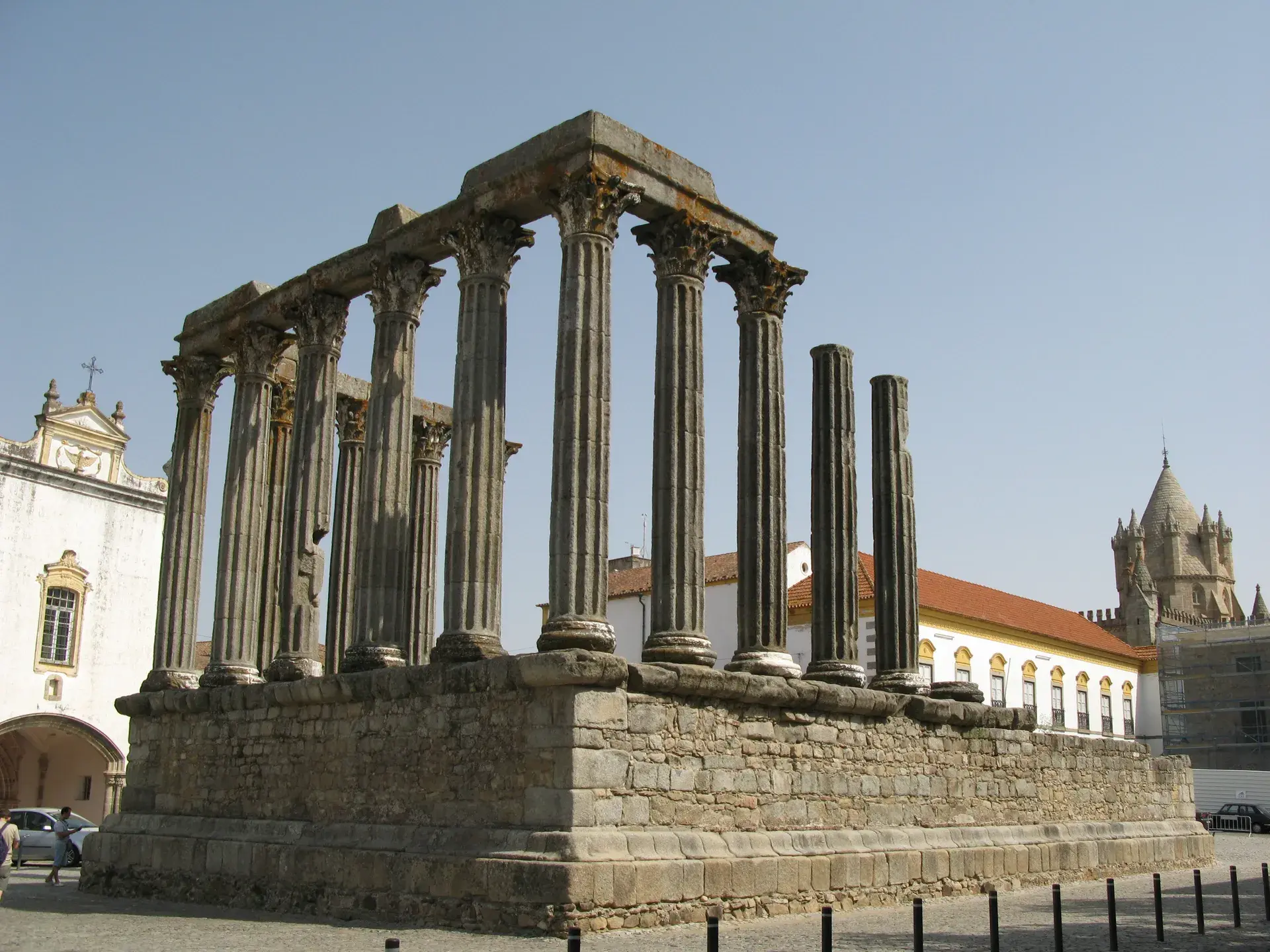
As Évora expanded through the Visigothic, Islamic, and medieval Portuguese periods, newer wall circuits were constructed further out. This expansion led to a dramatic layering of the city's architecture. Unlike the nearby freestanding Roman Temple, the Arco Romano de Dona Isabel was swallowed whole by domestic medieval houses. The inner Roman wall was physically abutted and embedded into later residential buildings. Today, the arch functions as a public pedestrian portal connecting the quiet, cobbled residential lanes of Rua de Dona Isabel and Rua do Menino Jesus, leaving the ancient monument almost hidden in plain sight.
Architectural Characteristics
The structure is constructed from dressed gray granite masonry, measuring roughly 4.5 meters in height and 4 meters in width. The weathered blocks display heavy Roman stonemason chiseling with prominent rusticated joints. Architectural surveys have recorded exactly 29 wedge-shaped ashlar voussoirs that form the perfect semicircular curve of the arch.
The Royal Connection
Despite its Roman origins, the gate's current name stems from a much later period. Local tradition attributes the name to Queen Saint Isabel, the wife of King D. Dinis. The Queen lived in Évora during her widowhood in the early 14th century, centuries after the arch was constructed. Today, this historic stonework remains a freely accessible, open-air archaeological fragment of Évora's complex defensive history.
FAQ
Where is the Arco Romano de Dona Isabel located?
It is located at the intersection of Rua de Dona Isabel and Rua do Menino Jesus in Évora, just a two-minute walk from the Roman Temple and Roman baths.
When was the gate built?
The gate was constructed between the late 2nd and early 3rd century AD as part of Évora's earliest Roman defensive wall, known as the Cerca Velha.
Why is it called the Arco de Dona Isabel?
Local tradition names the gate after Queen Saint Isabel, wife of King D. Dinis, who lived in Évora during her widowhood in the early 14th century.
How many stones make up the arch of the gate?
Architectural surveys have recorded exactly 29 wedge-shaped granite ashlar voussoirs forming the semicircular curve of the arch.