Fonte das Portas de Moura: Evora's Marble Globe Fountain
A perfectly spherical marble globe stands as a pioneer of urban engineering and Renaissance design in the historic center of Évora, Portugal. Officially known as Chafariz das Portas de Moura, this 16th-century white marble fountain remains a visual centerpiece within the city's UNESCO World Heritage zone.
A Renaissance Marvel in Marble
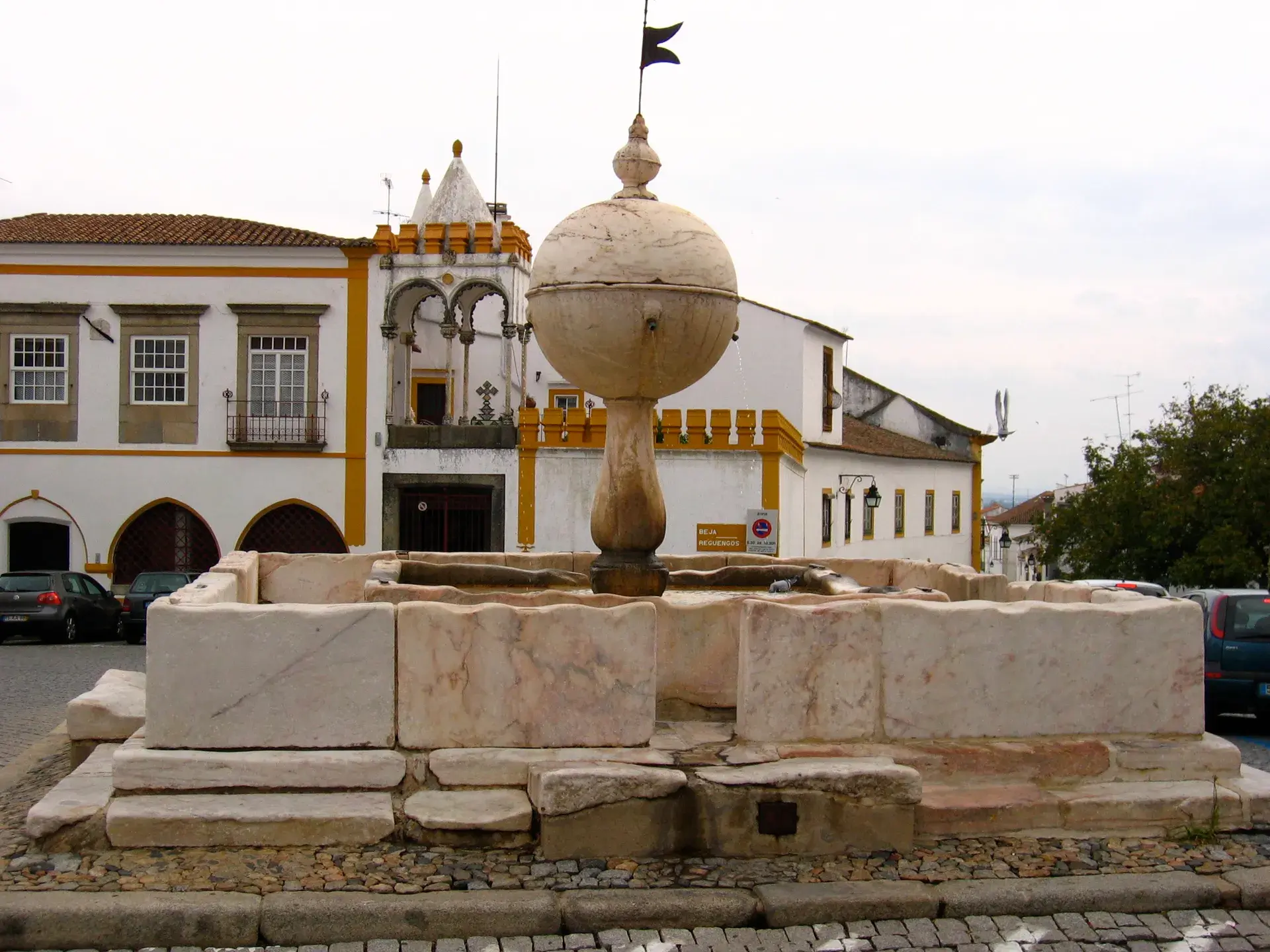
Commissioned by Cardinal Infante D. Henrique during his tenure as Archbishop of Évora, the fountain was formally inaugurated on December 4, 1556. The architectural design is widely attributed to Diogo de Torralva, the master architect who oversaw the city's aqueduct system. The monument is built entirely from regional white Estremoz-type marble, featuring subtle mineral veining and signs of historic weathering. A large, smoothly carved marble sphere dominates the central circular pedestal, bearing a Roman-style inscription that documents its exact dedication date.
Engineering the Flow of Silver Water
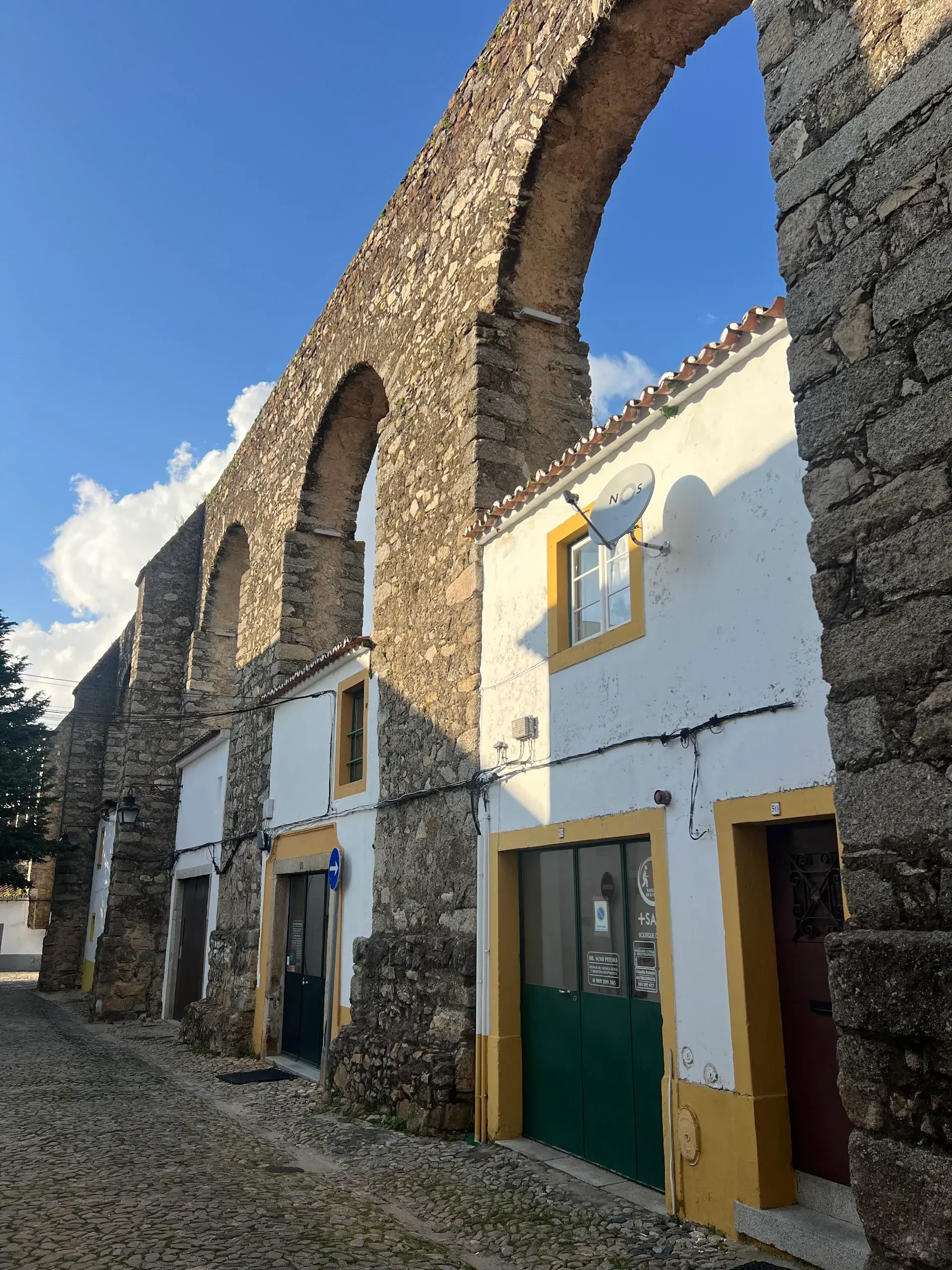
The structure was conceived as a critical piece of Évora's mid-16th-century urban modernization. It distributed freshwater from the newly completed Aqueduto da Água de Prata directly to the city's residents. The fountain features an ingenious functional separation of its two tiered rectangular basins. The raised upper basin, accessed via a three-step platform, was reserved exclusively for clean drinking water. Meanwhile, the overflow fed a lower exterior trough designed specifically as a watering station for pack and riding animals.
The Sphere and the Seraphs
Setting a new architectural precedent in Évora, the fountain introduced a Mannerist typology that favored pure geometric form over multi-tiered elaborate decorations. This distinct style directly influenced later Renaissance waterworks in the region, including the redesign of the main fountain in Praça do Giraldo. Carved into the elevated central globe are four high-relief winged seraph gargoyles, known as carrancas. Historically, water spouted from these stone figures into the upper basin, cascading downward in an elegant aquatic display.
An Aristocratic Crossroads
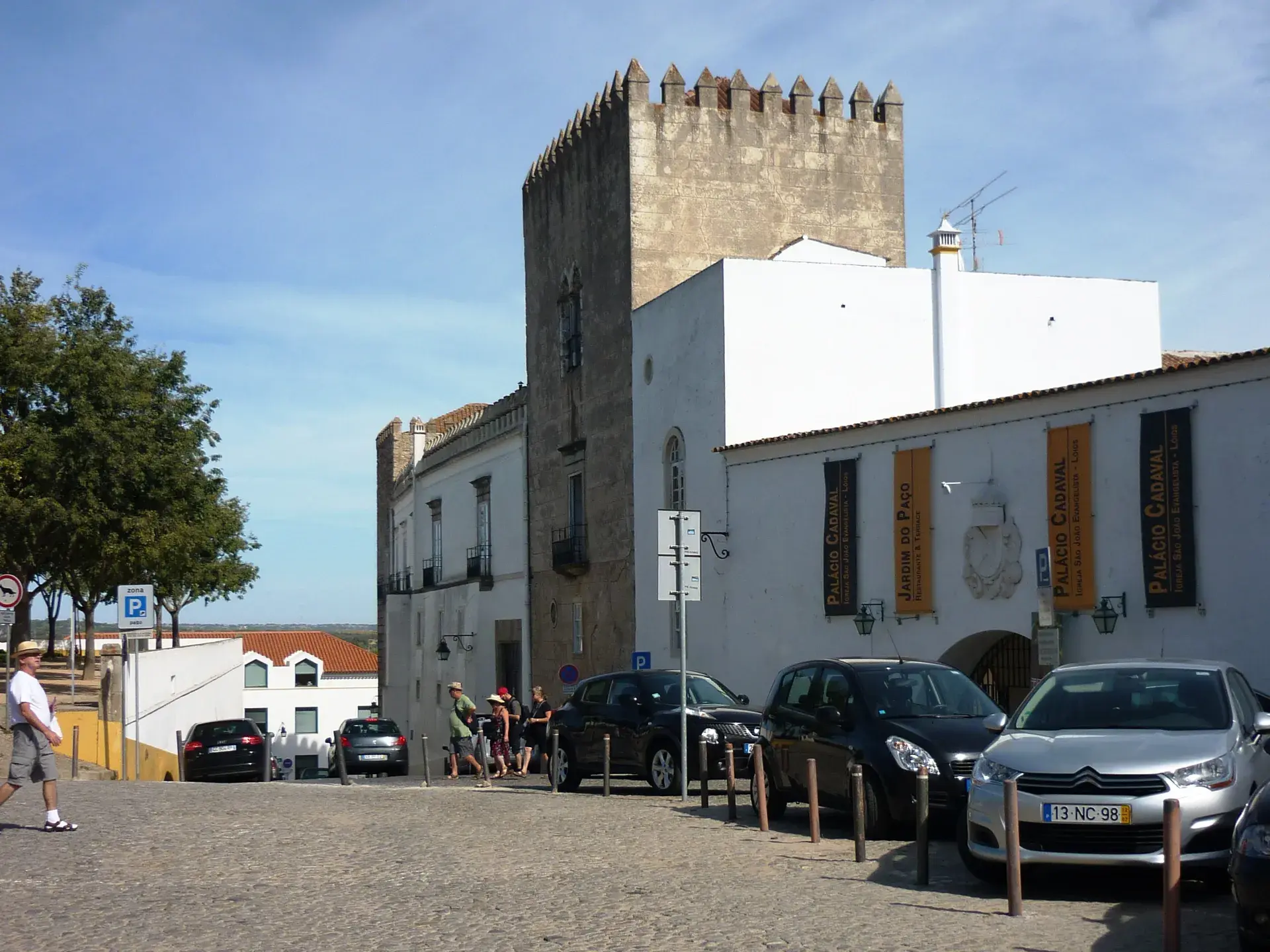
Situated on the historic axis between the Cathedral precinct and the former Moorish quarter gate, Largo da Porta de Moura was once Évora's second most significant square. The fountain served as a monumental display of episcopal power and engineering progress at this aristocratic crossroads. Today, the 1922-classified National Monument sits within a quiet, cobblestoned pedestrian space. It is framed by noble manor facades, directly facing the iconic 16th-century Casa Cordovil and its rare hybrid Manueline-Mudéjar watchtower.
FAQ
When was Fonte das Portas de Moura built?
The fountain was formally inaugurated on December 4, 1556. This exact dedication date is documented by a Roman-style inscription carved directly into the central marble sphere.
Where did the fountain's water come from?
The fountain was designed to distribute freshwater across the city from the newly completed Aqueduto da Água de Prata (Silver Water Aqueduct).
Why does the fountain have two separate basins?
The fountain was engineered with a strict functional separation. The elevated upper basin was used exclusively for residents to access clean drinking water, while the overflow fed a lower exterior trough meant for pack and riding animals.
What architectural style is the fountain?
The monument features a Mannerist design that prioritizes pure geometric forms, such as its iconic marble sphere, over elaborate multi-tiered decorations. This design influenced later Renaissance waterworks in Évora.