Guide to Évora's Chapel of Bones & St. Francis Church
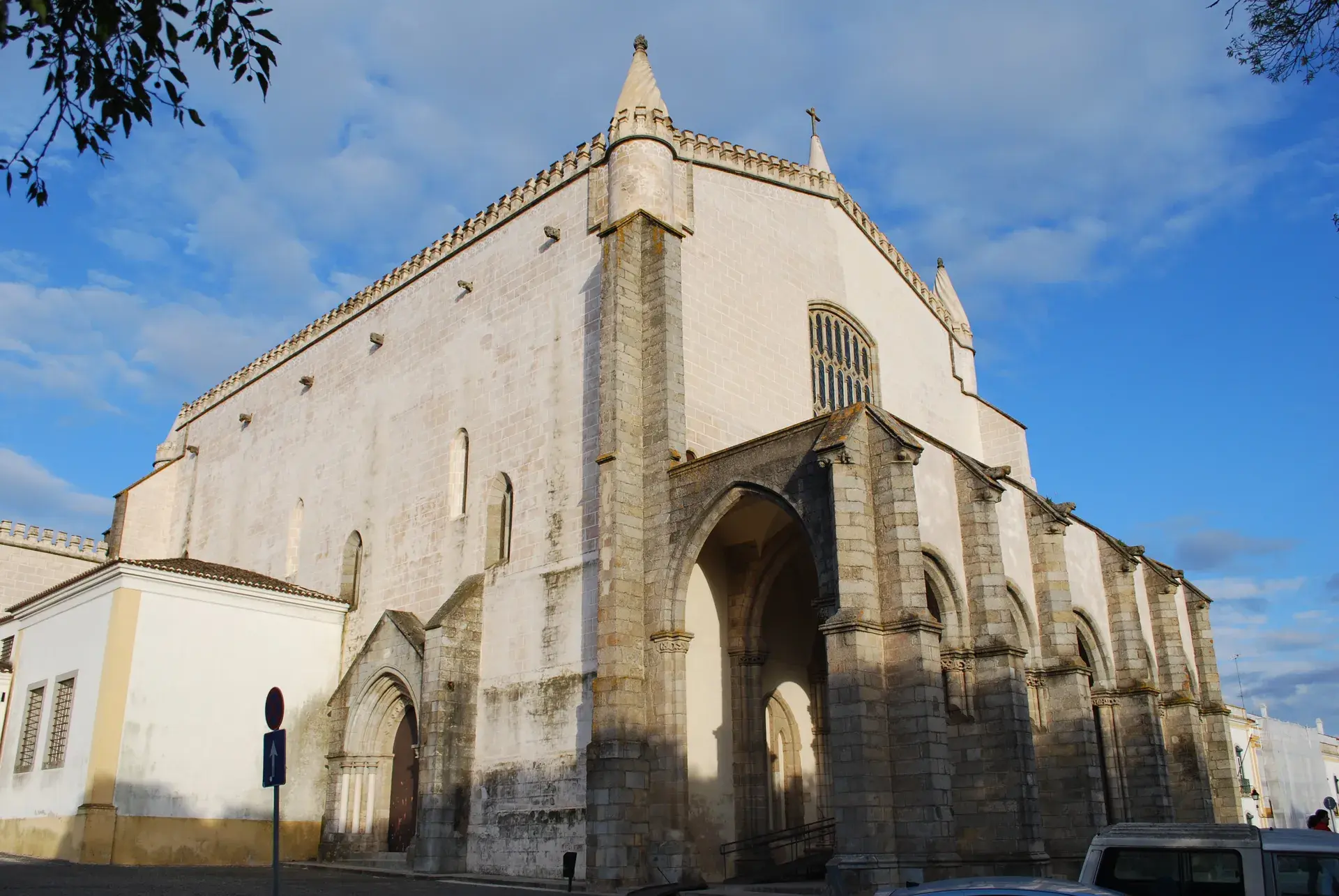
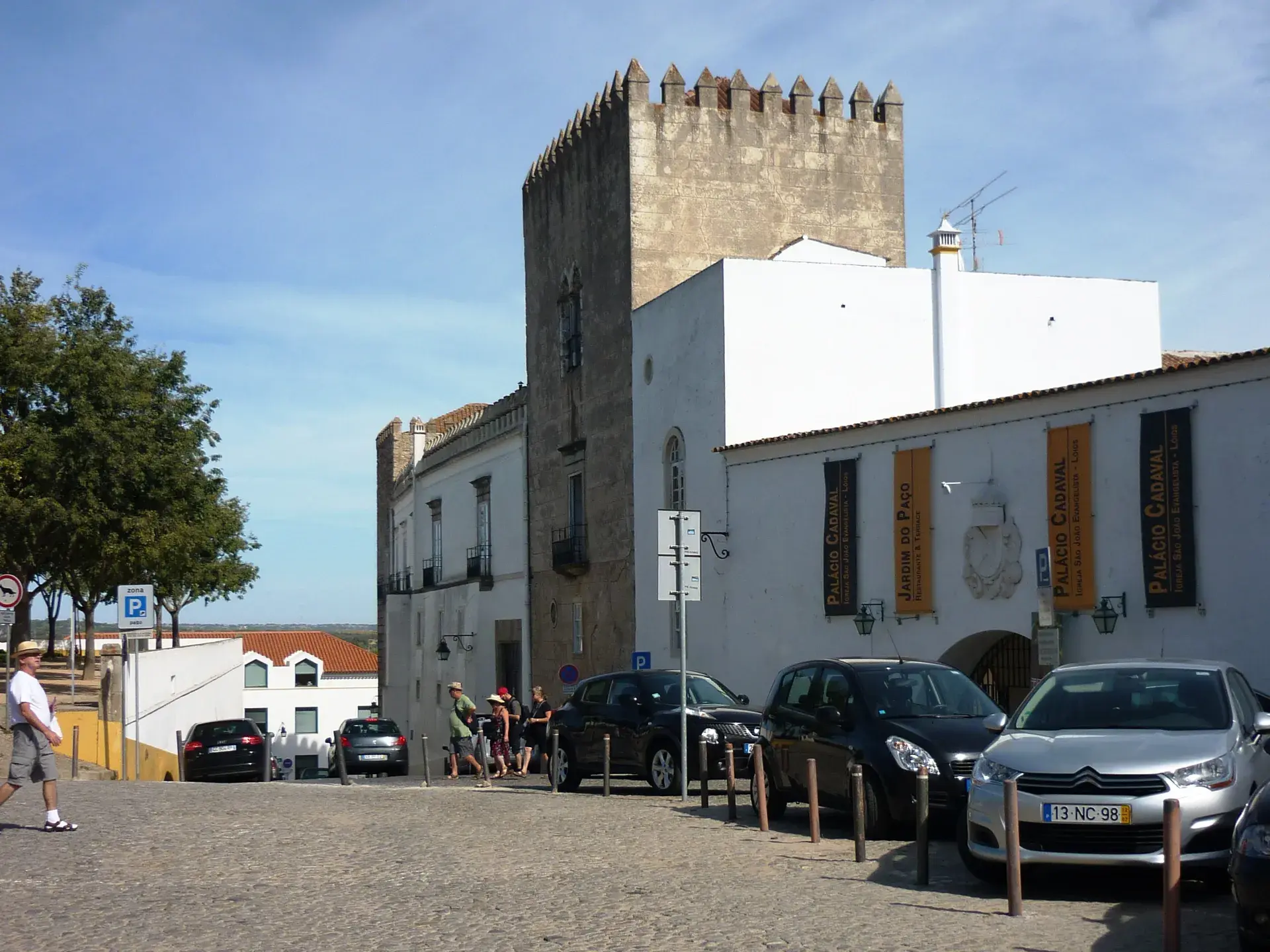
Admire the imposing architecture of this historic church that famously houses the Chapel of Bones. Located in Praça 1º de Maio within Évora's UNESCO-listed historic center, the Igreja de São Francisco is a defining landmark on the city's classic route, situated directly adjacent to the Public Garden and the remains of the Royal Palace of Évora. Rebuilt between 1475 and the early 1500s under the commission of Portuguese monarchs King João II and King Manuel I, the main exterior entrance proudly displays royal emblems, including the pelican and the armillary sphere.
An Eerie Memento Mori
The church's most famous feature, the Chapel of Bones, was constructed between the 16th and 17th centuries by three Franciscan friars during the Counter-Reformation. Its creation was born from a practical urban real estate crisis. By the 16th century, dozens of monastic and municipal graveyards in Évora had become severely overcrowded, occupying valuable land.
To free up burial space, remains were exhumed. Rather than discarding them, the Franciscans arranged the bones into elaborate structural and decorative patterns. This macabre display was intended as a memento mori, serving to remind citizens of the transience of earthly life and the vanity of material attachments.
Inside the Chapel of Bones
Classified as a National Monument since 1910, the ossuary measures 18.7 meters long by 11 meters wide. It is divided into three naves supported by eight central pillars. The walls, pillars, and arches are completely encased in the skulls and bones of approximately 5,000 human skeletons, held together with cement and mortar.
The entrance to the chapel bears a famous Portuguese inscription that reads, "Nós ossos que aqui estamos pelos vossos esperamos" ("We bones that are here, for yours we wait"). Inside, natural daylight filters through three small, recessed openings on the left wall, contrasting with accent spotlights that reflect off the stacked limb bones and exposed skulls.
Artistic Contrasts and Historical Relics
The ceiling of the chapel provides further messages of mortality. White-plastered vaulted ceilings, painted in 1810, feature allegorical frescoes, crosses, and illustrated motifs. The vault also displays a Latin quote from Ecclesiastes 7:1: "Melior est dies mortis die nativitatis" ("Better is the day of death than the day of birth").
In stark contrast to the macabre ossuary, the modern entry hall features azulejo tile panels by Pritzker Prize-winning architect Álvaro Siza Vieira, depicting themes of birth and the miracle of life.
The chapel also houses a marble sarcophagus beside the altar containing the bones of the three 13th-century Franciscan friars credited with founding the Évora convent. Additionally, two naturally desiccated corpses—an adult and a child—are kept in glass display cases. Historical evidence indicates they were ordinary burials naturally preserved by soil conditions, though they were previously displayed hanging from the chapel walls.
Modern Operation and Access
Today, the complex operates as a ticketed monument administered by the Catholic Archdiocese of Évora and the Portuguese state. Standard admission covers access to the Chapel of Bones, a religious art museum inside the convent, and a permanent nativity scene collection known as the Galeria dos Presépios.
The main Igreja de São Francisco remains an active Catholic parish. Regular masses are still held in the church, during which visitor access to the chapel is temporarily paused.
FAQ
How many skeletons are in the Chapel of Bones?
The walls, pillars, and arches of the Chapel of Bones are covered in the skulls and bones of approximately 5,000 human skeletons.
Why was the Chapel of Bones built?
It was constructed in the 16th and 17th centuries to solve an urban crisis of overcrowded graveyards in Évora. Exhuming the remains freed up valuable land, and Franciscan friars arranged the bones as a memento mori to remind people of the transience of life.
What does the inscription above the Chapel of Bones mean?
The Portuguese inscription above the entrance reads "Nós ossos que aqui estamos pelos vossos esperamos," which translates to "We bones that are here, for yours we wait."
Is the Igreja de São Francisco still an active church?
Yes, the main Igreja de São Francisco is an active Catholic parish church that hosts regular masses. Visitor access to the Chapel of Bones is paused during these services.