Mezuzah Indentations in Évora's Jewish Quarter
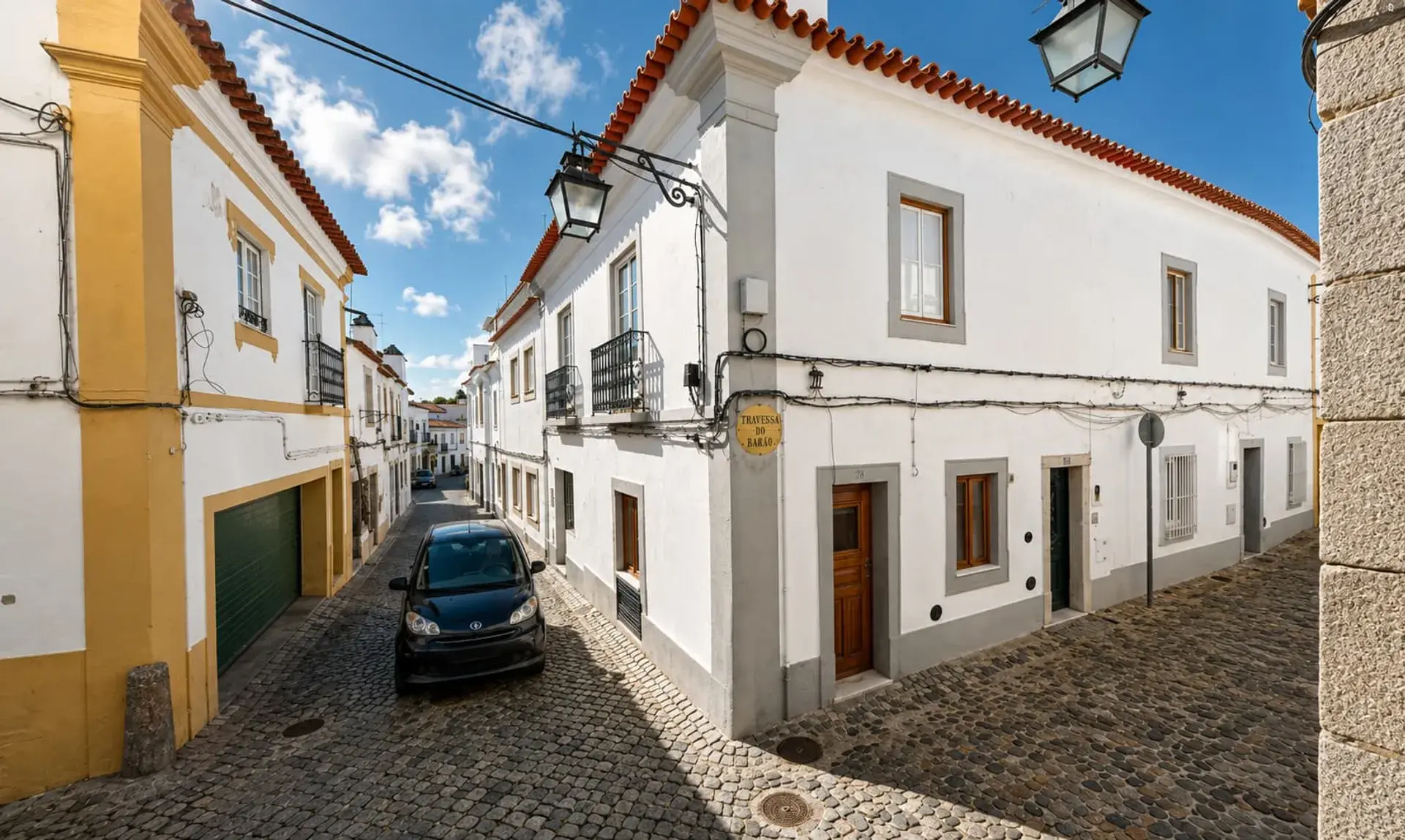
Scattered along the medieval doorways of Évora are small, empty carved slots—the physical scars of an expulsion that permanently altered the city's population. Located in the old Jewish Quarter on streets like Travessa do Barão, these historic mezuzah indentations offer a tangible link to Portugal's Sephardic past.
A Thriving Medieval Community
During the 14th and 15th centuries, Évora was home to one of the largest and wealthiest Jewish communities in Portugal. Following early 14th-century segregation laws, the city's Jewish Quarter expanded rapidly, largely due to Évora's status as a frequent seat of the royal court. The neighborhood once featured two synagogues, a rabbinical court, a hospital, and a ritual bath.
The legacy of this intellectual and cultural hub is still present in the city. The Jewish Quarter was home to notable figures like the astronomer Abraham Zacuto. His printed almanac, which proved critical to Portugal's Age of Discovery, is preserved today in the Évora Public Library.
The Inquisition and Hidden Heritage
The prosperity of the Jewish Quarter abruptly halted in December 1496 when King Manuel I issued an edict forcing all Jews in Portugal to either convert to Christianity or leave the country. Synagogues were closed, and mezuzot—protective parchment capsules affixed to doorways—were stripped from their frames.
In 1536, the Portuguese Inquisition established a primary seat in Évora to prosecute New Christians accused of secretly practicing Judaism. Erasing Jewish markers became a matter of survival. Residents filled the empty mezuzah cavities with lime plaster and mortar to avoid denunciation. Ironically, this act of concealment inadvertently protected the stone cutouts from centuries of weathering, allowing modern historical surveys to rediscover them intact.
Architectural Significance
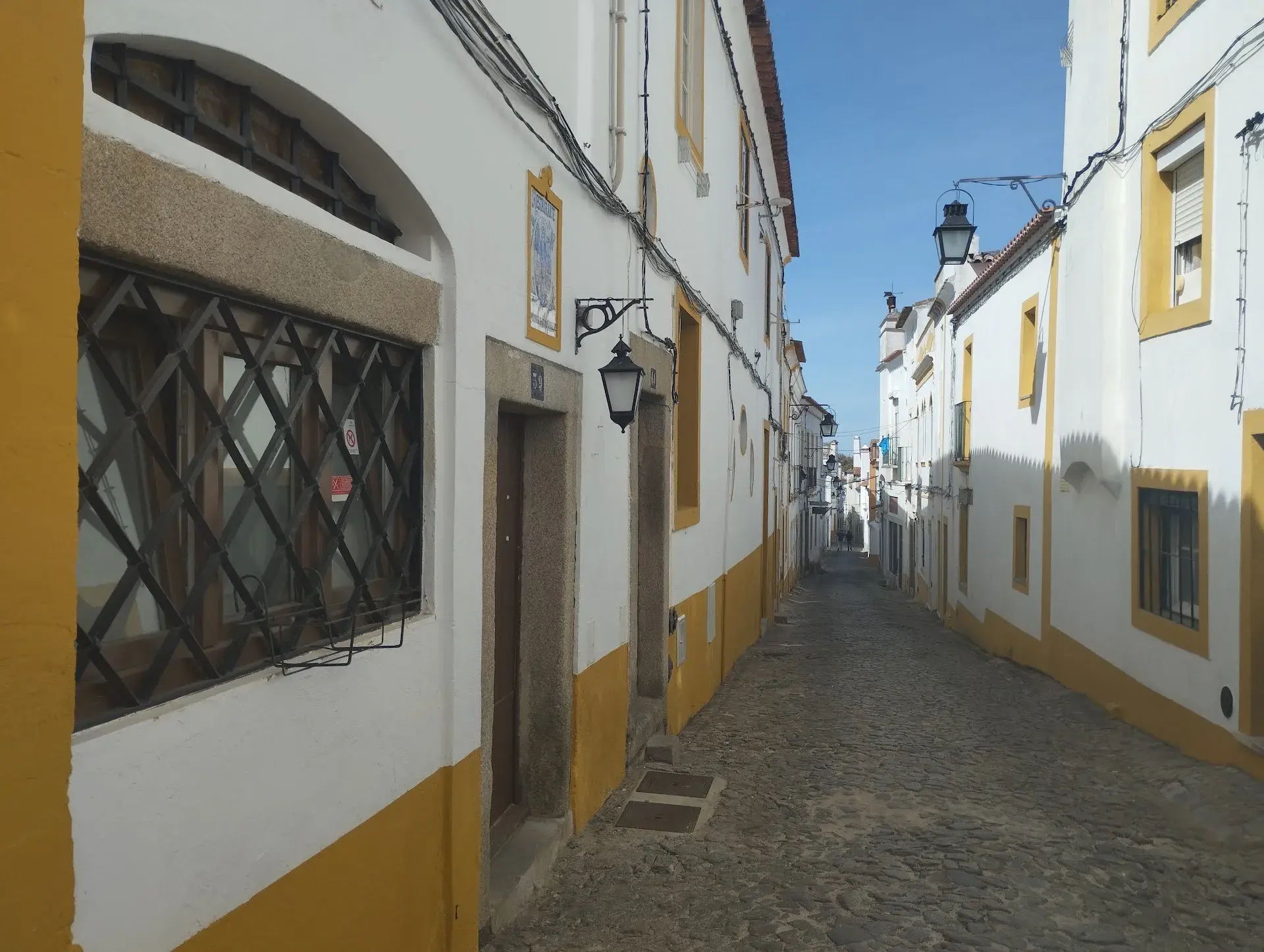
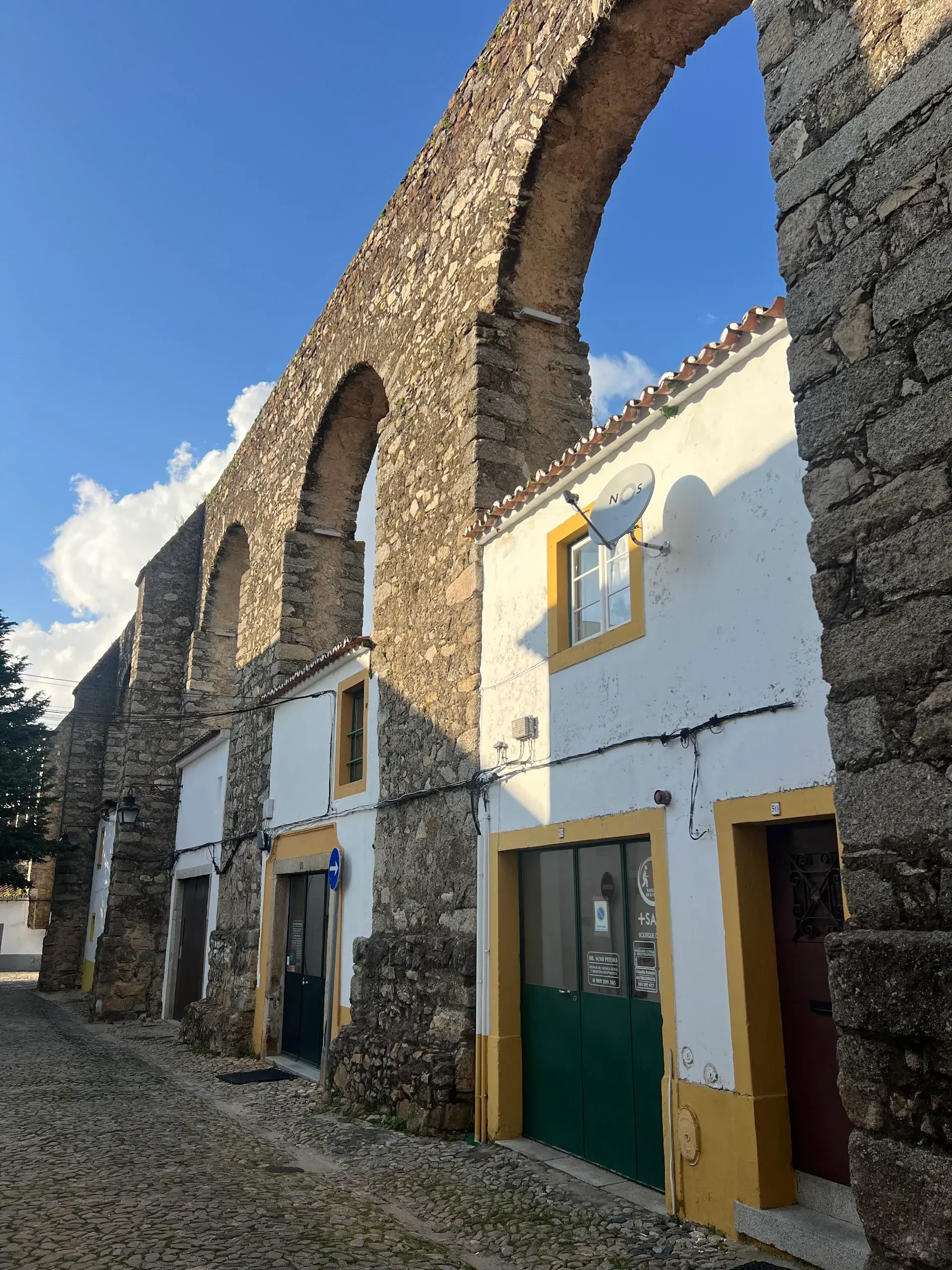
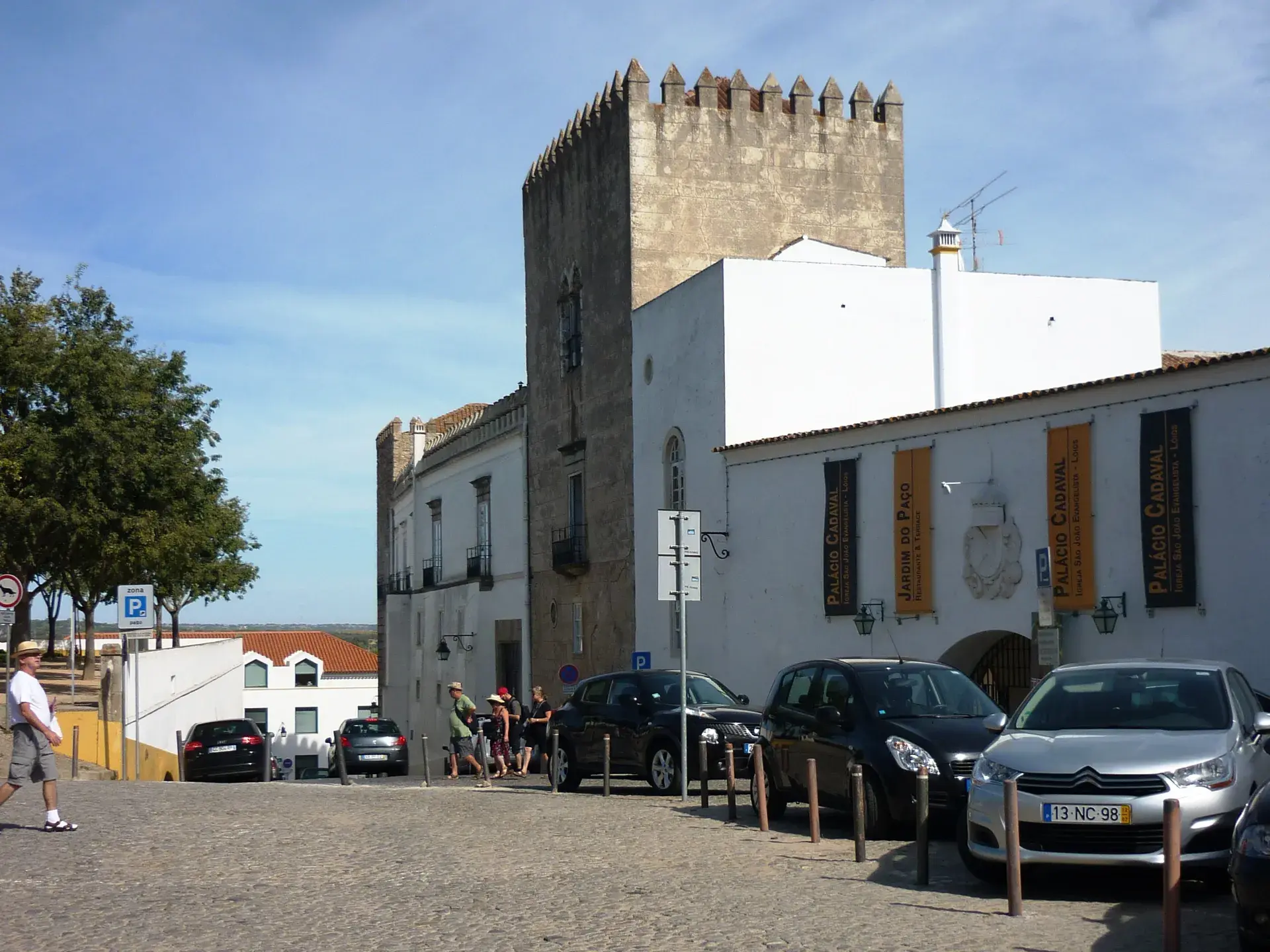
Today, these indentations remain part of the open streetscape in Évora's UNESCO-listed historic centre. Carved into medieval granite doorposts, often alongside pointed Gothic arches, the worn slots provide a distinct tactile contrast against the smooth, whitewashed walls and yellow trim typical of Alentejo architecture.
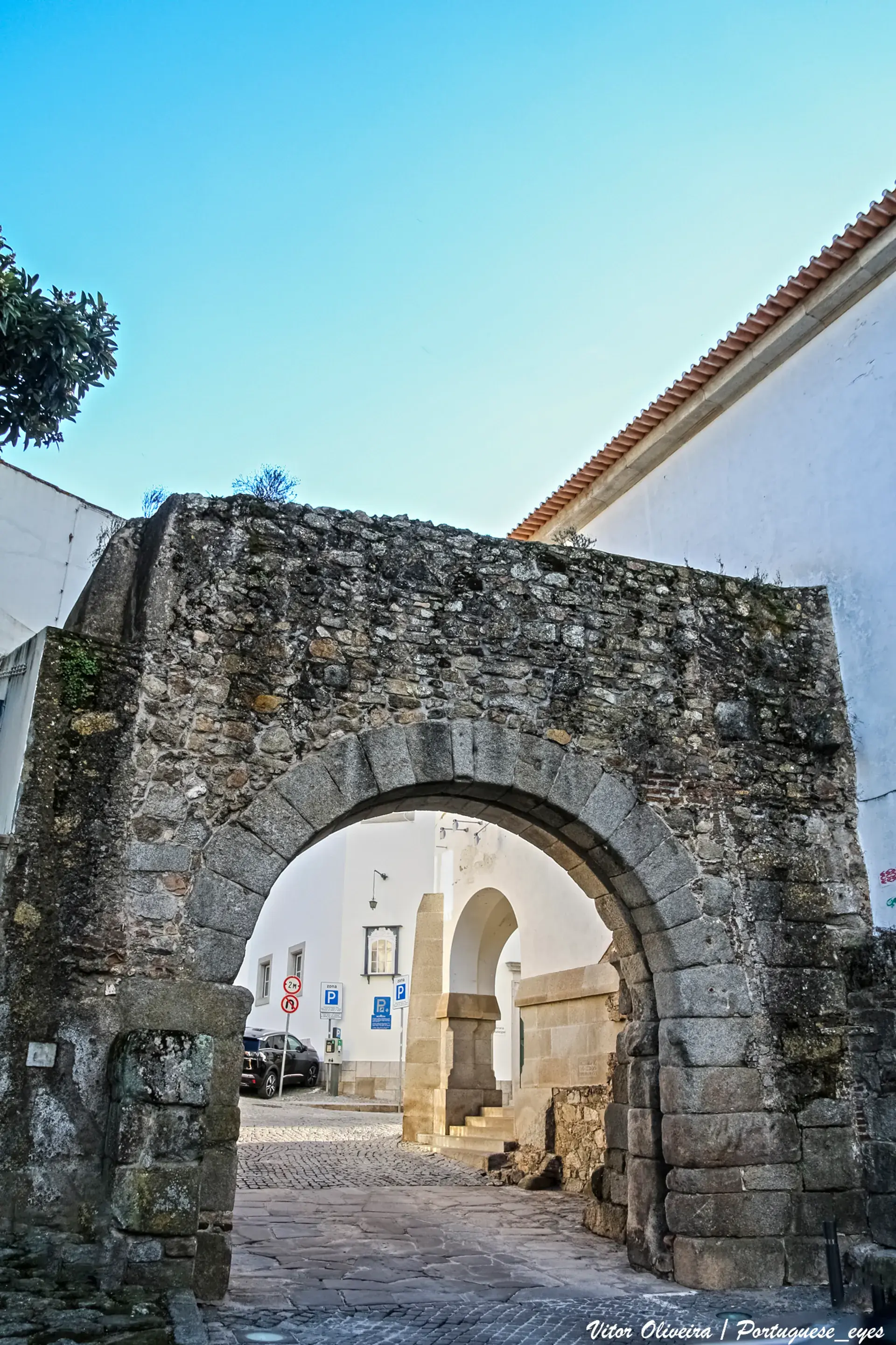
While Ashkenazi tradition generally dictates tilting the mezuzah, historical Sephardic practice allowed for vertical mounting. This distinction is evident in the straight, vertical carvings found on several doorjambs throughout the quarter. The markers sit along standard routes connecting Praça do Giraldo to medieval gates like Portas de Alconchel, where informative plaques near Travessa de Cima commemorate the neighborhood's profound history.
FAQ
Why are the mezuzah indentations in Évora empty?
The indentations were emptied following King Manuel I's 1496 edict forcing Jews to leave or convert. To avoid prosecution by the Inquisition, residents removed the parchment scrolls and often filled the remaining carved slots with mortar to hide them.
Why are the mezuzah indentations in Évora vertical rather than tilted?
Historical Sephardic practice allowed for a mezuzah to be mounted vertically, which is reflected in the straight carvings on Évora's doorframes. This differs from the Ashkenazi tradition of tilting the mezuzah.
Where can the mezuzah indentations be found in Évora?
The historic carvings are located in Évora's old Jewish Quarter on streets like Travessa do Barão, Rua da Moeda, and Rua dos Mercadores, directly bordering Praça do Giraldo.
Gallery