Royal Palace of Évora: Palácio de D. Manuel
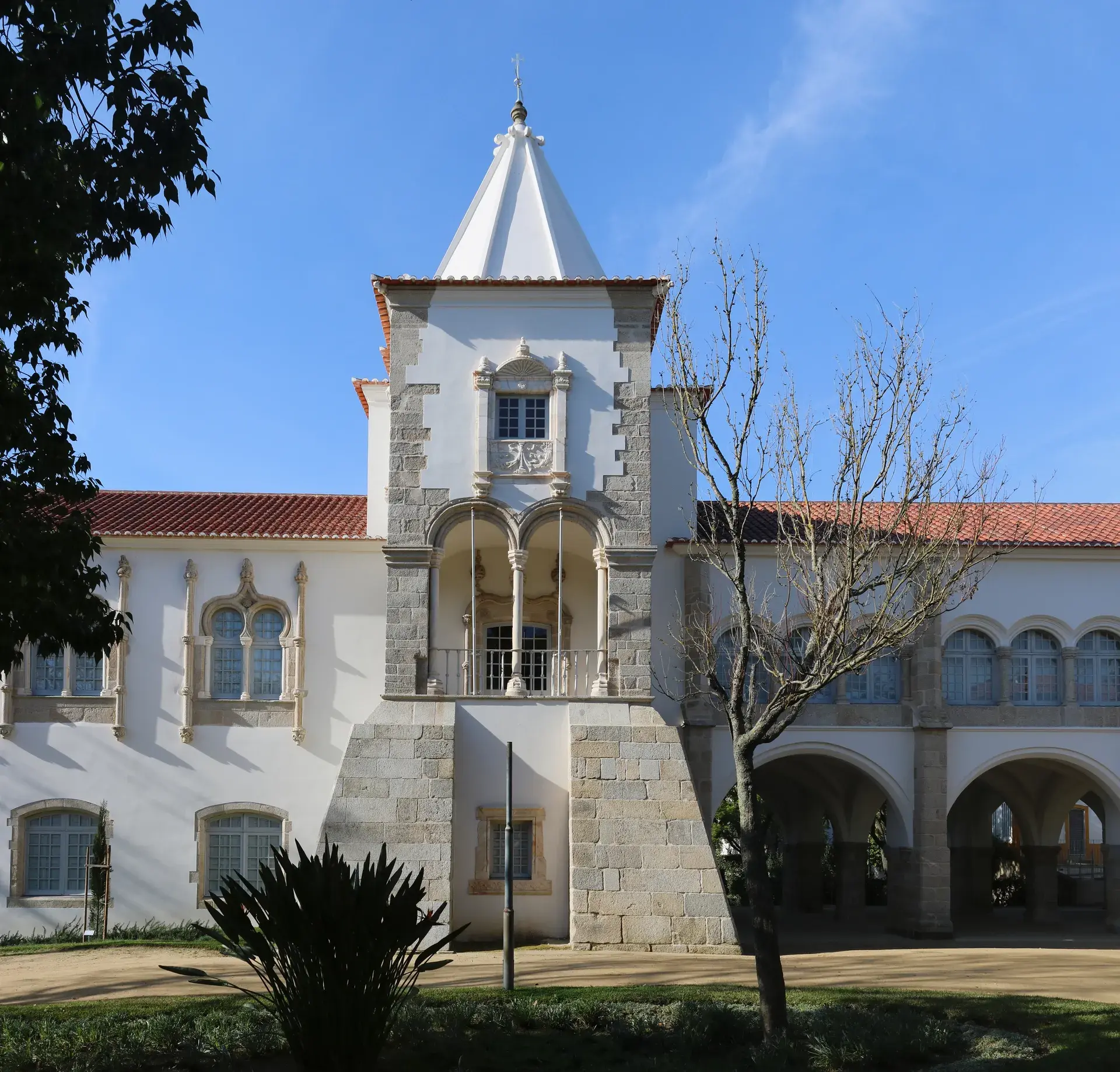
It was within this very complex in 1497 that King Manuel I handed Vasco da Gama the orders that would change the map of the world. Set against manicured park grounds, the Royal Palace of Évora (Palácio de D. Manuel) offers a glimpse into Portugal's golden age. Also known as the Paço Real de São Francisco, this structure stands as an enduring symbol of the nation's cultural and exploratory achievements.
Origins and Royal Expansion
The site began as a 13th-century Franciscan convent before undergoing significant expansions under Kings Afonso V, João II, and Manuel I. It eventually grew into one of the largest royal palace complexes on the Iberian Peninsula. During its peak in the late 15th and early 16th centuries, the palace served as a vibrant cultural center. It hosted major national assemblies, the 1490 wedding celebrations of Prince Afonso to Isabella of Castile, and the premiere performances of plays by the renowned Portuguese playwright Gil Vicente.
The Launch of a Historic Voyage
The palace holds a monumental place in global maritime history. In 1497, King Manuel I used the royal residence to formally invest Vasco da Gama with the command of the fleet tasked with discovering the sea route to India. This momentous commission marked a turning point in the Age of Discovery.
Survival of the Ladies' Gallery
After the royal court permanently shifted to Lisbon, the sprawling palace complex fell into decline. By the 19th century, large sections were dismantled to build municipal structures, while other areas were lost to fires. The remaining architectural wing, known as the Galeria das Damas (Ladies' Gallery), survived primarily due to its pragmatic repurposing. During the 1640 Portuguese Restoration War, the gallery was converted into a military warehouse and munitions depot, saving the structure from destruction.
Architectural Distinctiveness
The surviving pavilion showcases a distinctive blend of Late Gothic, Manueline, Mudéjar, and early Renaissance architectural styles. The exterior is defined by its horseshoe-arched open galleries and twinned Manueline windows. These Moorish-influenced arches contrast beautifully with the manicured lawns and cypress trees of the surrounding Jardim Público de Évora.
The adjacent park features roaming peacocks and a collection of romantic "Fake Ruins." Erected in the 1860s by Italian set designer José Cinatti, these faux ruins were constructed using salvaged architectural fragments. Among these salvaged pieces are Manueline-Mudéjar windows rescued from Évora's demolished Palace of the Inquisition.
The Palace Today
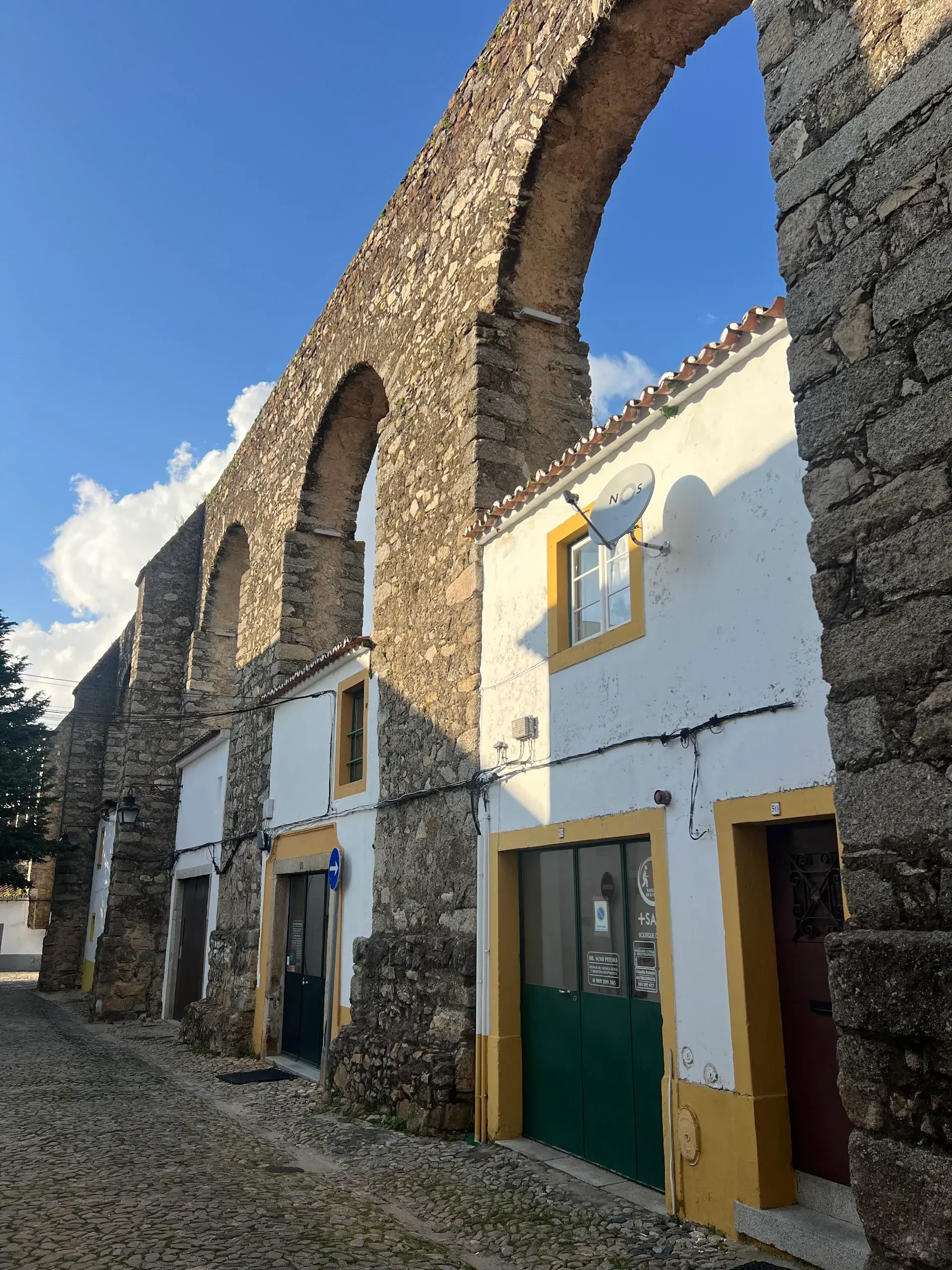
Classified as a National Monument since 1910, the rehabilitated Palácio de D. Manuel is currently owned by the Évora City Council. It functions as an interpretive landmark and a municipal venue for cultural exhibitions, civic gatherings, and official city receptions. Positioned on the southern edge of Évora's historic core, the structure physically bridges the Church of São Francisco with the remnants of the 14th-century Fernandine wall.
FAQ
Why is the Royal Palace of Évora historically significant?
In 1497, King Manuel I used the palace to formally commission Vasco da Gama to command the fleet that discovered the sea route to India. It was also a major cultural hub that hosted royal weddings and premiered plays by Gil Vicente.
What part of the original royal palace still stands?
Only the Galeria das Damas (Ladies' Gallery) survives today. The rest of the complex was dismantled or destroyed by fires, but this specific wing was saved because it was repurposed as a military warehouse during the 1640 Portuguese Restoration War.
Where is the Royal Palace of Évora located?
The surviving wing is located inside the Jardim Público de Évora, situated between the Church of São Francisco and remnants of the 14th-century Fernandine wall.
What architectural styles are visible on the palace?
The building features a blend of Late Gothic, Manueline, Mudéjar, and early Renaissance elements. It is particularly known for its horseshoe-arched open galleries and twinned Manueline windows.