Largo do Toural: Guimarães's Historic Grand Square
The Living Room of Guimarães
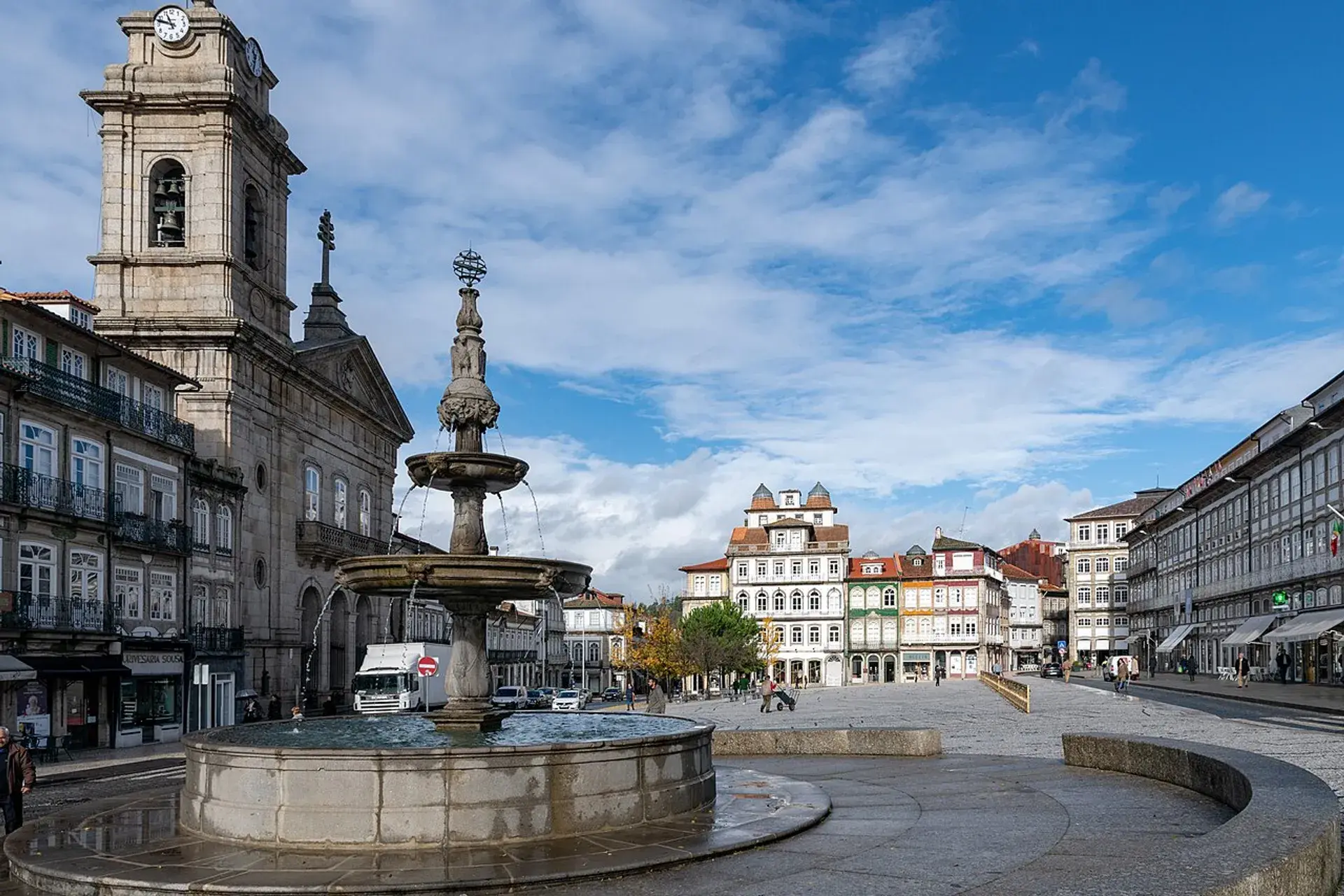
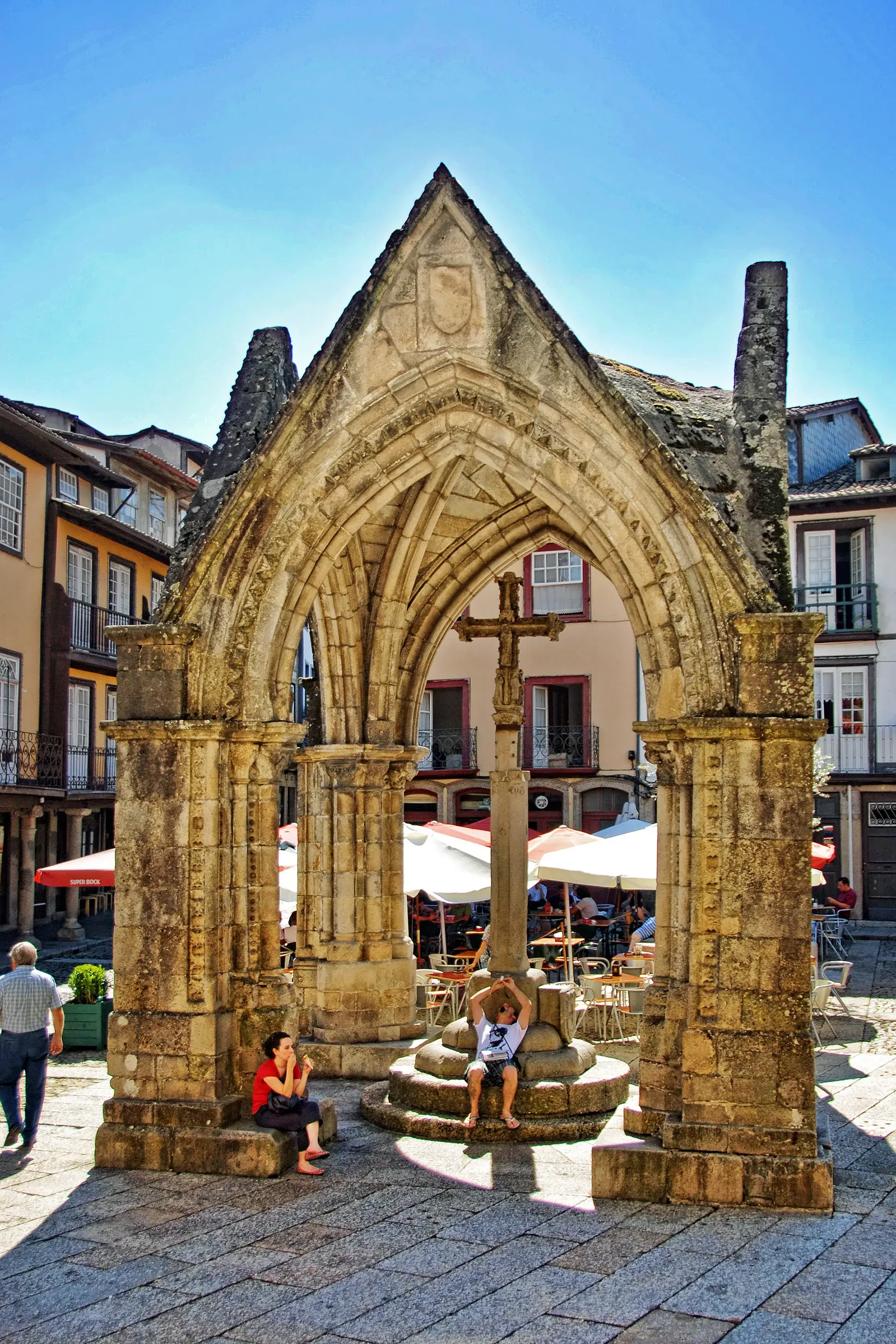
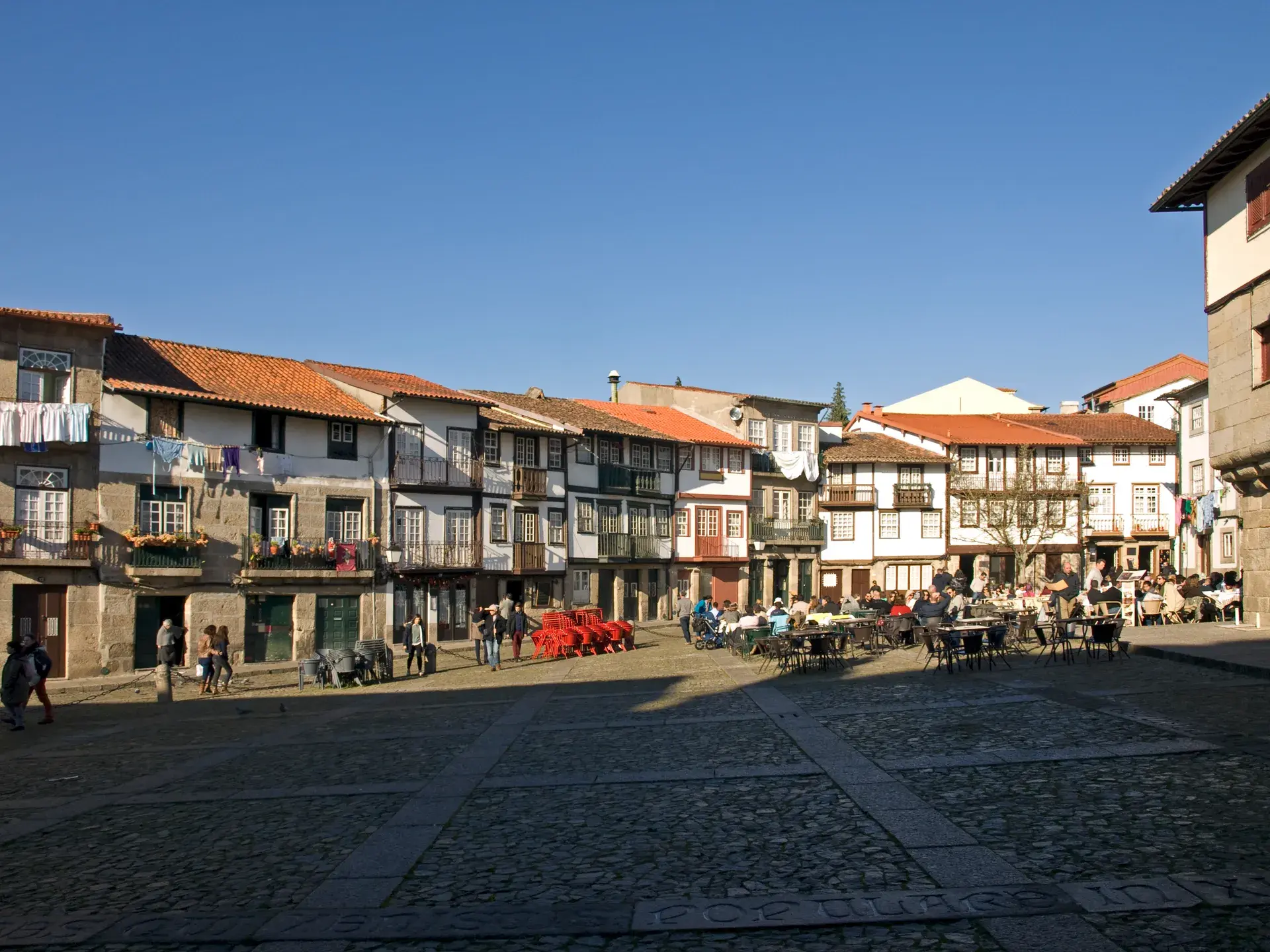
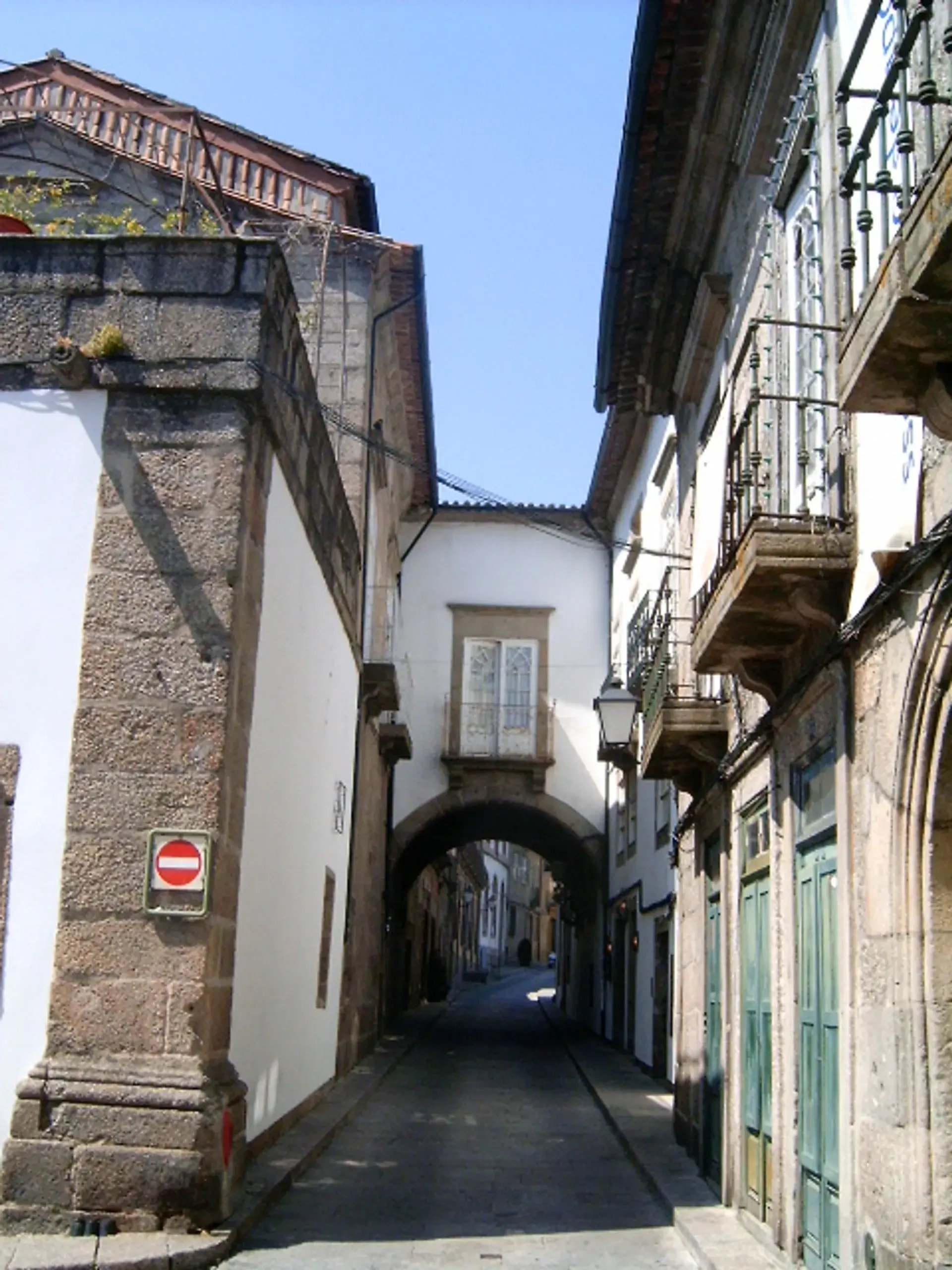
Largo do Toural, commonly known as O Toural, acts as the symbolic boundary between medieval Guimarães and the modern expanding city. Often referred to as the city's grand living room, this central civic square sits just outside the UNESCO World Heritage historic center. The location provides a dramatic visual contrast, marking an abrupt transition from the narrow, shadow-filled medieval stone alleys of the Porta da Vila into a wide, sunlit expanse surrounded by tall pastel-painted facades and granite borders.
From Cattle Market to Civic Hub
In the 17th century, the site was an open field located just outside the main medieval gate. It was used primarily for cattle markets and bullfights, which gave it the name 'toural' linked to the Portuguese word for bull. Under Queen Maria I in 1791, the space underwent a major urban transformation. The medieval wall along the eastern side was demolished to replace rural stalls with uniform, Lisbon-influenced neoclassical and Pombaline commercial buildings. Over the centuries, the square saw various redesigns, including the addition of an 1878 public garden and a 1910 statue of King Afonso Henriques.
Landmarks and Architecture
The square is defined by several notable historical structures. The preserved 13th-century Torre da Alfândega is an old medieval tower and wall section bearing the famous white gothic inscription 'Aqui nasceu Portugal' (Portugal was born here). This marker cements Guimarães as the Cradle of the Nation and stands as the city's most recognized photo landmark. The 18th and 19th-century Basílica de São Pedro anchors one edge of the plaza, while harmonious 18th-century Pombaline facades line the perimeter, featuring wrought-iron balconies and mansard roofs.
The Wandering Fountain
The center of the square is anchored by the Chafariz do Toural, a 16th-century Renaissance granite fountain created by stone master Gonçalo Lopes. Featuring three basins, an armillary sphere, royal coats of arms, and the city’s crest, the fountain has a unique history. It was dismantled and relocated in 1873, spending over 130 years in other city squares. In preparation for Guimarães’s tenure as the 2012 European Capital of Culture, the space was pedestrianized, and the original fountain was finally returned to its historic home. Beneath the fountain, the central plaza floor is paved in quartz and dark basalt stone. A subtle inlaid outline in this pavement depicts the exact street plan of Guimarães's historic center.
Modern Social Hub
Today, the pedestrianized square functions as a major social hub filled with outdoor café terraces, local pastry shops, banks, and boutique hotels. It serves as the principal gathering place for civic celebrations, cultural performances, and traditional festivals. During the annual Festas Nicolinas, the square becomes the focal point for a long-standing local academic tradition, where students undergo an initiation ritual involving an involuntary dip in the Chafariz do Toural's water basin.
FAQ
Why does the wall in Largo do Toural say 'Aqui nasceu Portugal'?
The 13th-century Torre da Alfândega features the inscription 'Aqui nasceu Portugal' (Portugal was born here) to cement Guimarães's national identity as the Cradle of the Nation.
What is the history of the fountain in Largo do Toural?
The Chafariz do Toural is a 16th-century Renaissance granite fountain that was relocated in 1873. It spent over 130 years in other squares before being returned to its original spot during a 2011-2012 redesign.
What do the stones on the floor of Largo do Toural represent?
The square's quartz and dark basalt stone pavement features a subtle inlaid outline that depicts the street plan of Guimarães's historic center.