Rome on a Budget: What Three Days Really Costs
Last updated: September 2026
Intro
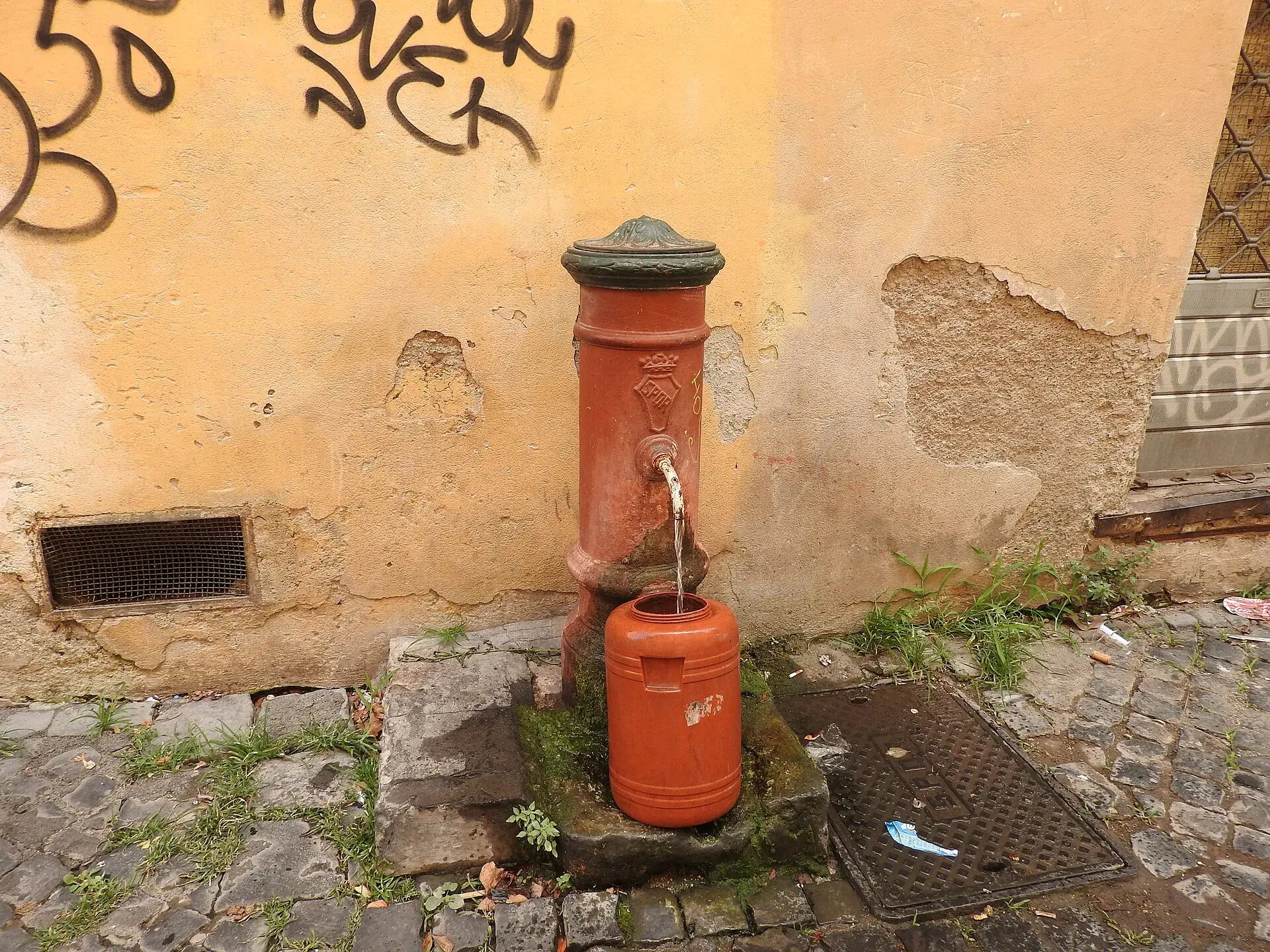
Rome's best hours don't cost a cent: an empty Trevi Fountain at eight in the morning, nasoni water fountains on every second corner, church interiors that rival any museum. Its worst value is the queue-skip industry reselling an €18 Colosseum ticket at three times the price. Checked in September 2026, a lean three days (two nights) runs about €100 to €130 per person, a normal three days €340 to €410, and a comfortable one €615 to €740. The gap is mostly your room, your dinners and how many paid sights you stack.
Want to skip a guide fee too? A self-guided walk in the Ciceru app costs €7, with a story and a quiz question at each stop and a free 500 MB global eSIM, no group and no tip to work out.
⚡ Quick answer
- 🎒 Lean (hostel, street food, free sights): €100 to €130 per person
- 🙂 Normal (budget hotel, sit-down meals, a paid sight most days): €340 to €410
- 💎 Comfortable (mid-range hotel, restaurants, the Vatican and the Colosseum): €615 to €740
- ☕ The coffee rule: stand at the bar and an espresso is about €1.10 to €1.20; sit down on a piazza and the same cup can hit €5 to €6
- 🎟️ Worst value: third-party "skip the line" Colosseum tours, marking up an €18 official ticket well beyond what the fast-track is worth
💶 A day in Rome, three ways
Lean: coffee and a cornetto standing at the bar (€2.50), pizza al taglio for lunch (€5), a trapizzino or takeaway slice for dinner (€7), two ATAC singles (€3). About €18 a day before your bed, and it buys a full day: piazzas, church interiors, the nasoni fountains and, if you're up before 09:00, a free look at the Trevi before its new entry fee kicks in.
Normal: a sit-down cappuccino and cornetto (€5), a trattoria lunch with water (€14), a trattoria dinner with a glass of house wine (€24), three rides by tapping in (€4.50), plus one paid sight most days, averaging the Pantheon, the Colosseum and a free day (€8.30). About €56 a day.
Comfortable: hotel or café breakfast (€10), a nicer lunch (€22), a restaurant dinner with wine (€45), a mix of taxis and transit (€15), plus the Vatican Museums and the Colosseum, prorated across the trip (€14.30). About €106 a day.
🛏️ Where to sleep and what it costs
Cross-checked against Hostelworld and current 2026 accommodation guides; Booking.com blocks automated price checks, so confirm your exact dates before booking:
- 🛏️ Hostel dorm bed: roughly €20 to €35 a night, city-wide
- 🏨 Budget/mid hotel: €80 to €200, mostly by area below
- 📍 Termini/Esquilino: cheapest, €50 to €90, handy for trains, rougher after dark by the station itself
- 📍 San Lorenzo: studenty and cheap, €50 to €85, a short tram ride from the centre
- 📍 Monti: trendy, central, near the Colosseum, €85 to €150
- 📍 Trastevere: cobbled and lively, best nightlife, €90 to €160, noisy on weekends
- 📍 Prati: near the Vatican, quiet, good value for the location, €80 to €140
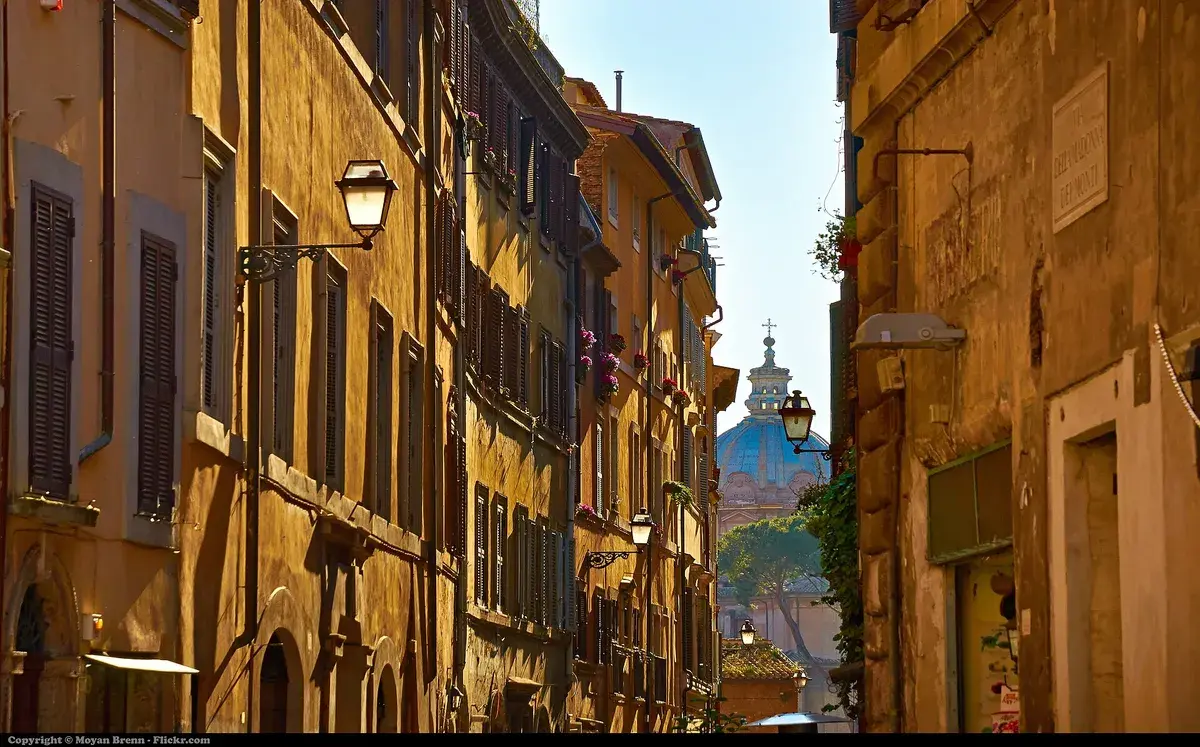
- 📍 Centro storico (Pantheon/Navona): pay for the address, €150 and up, almost no hostels
🍽️ Food: local price vs tourist price
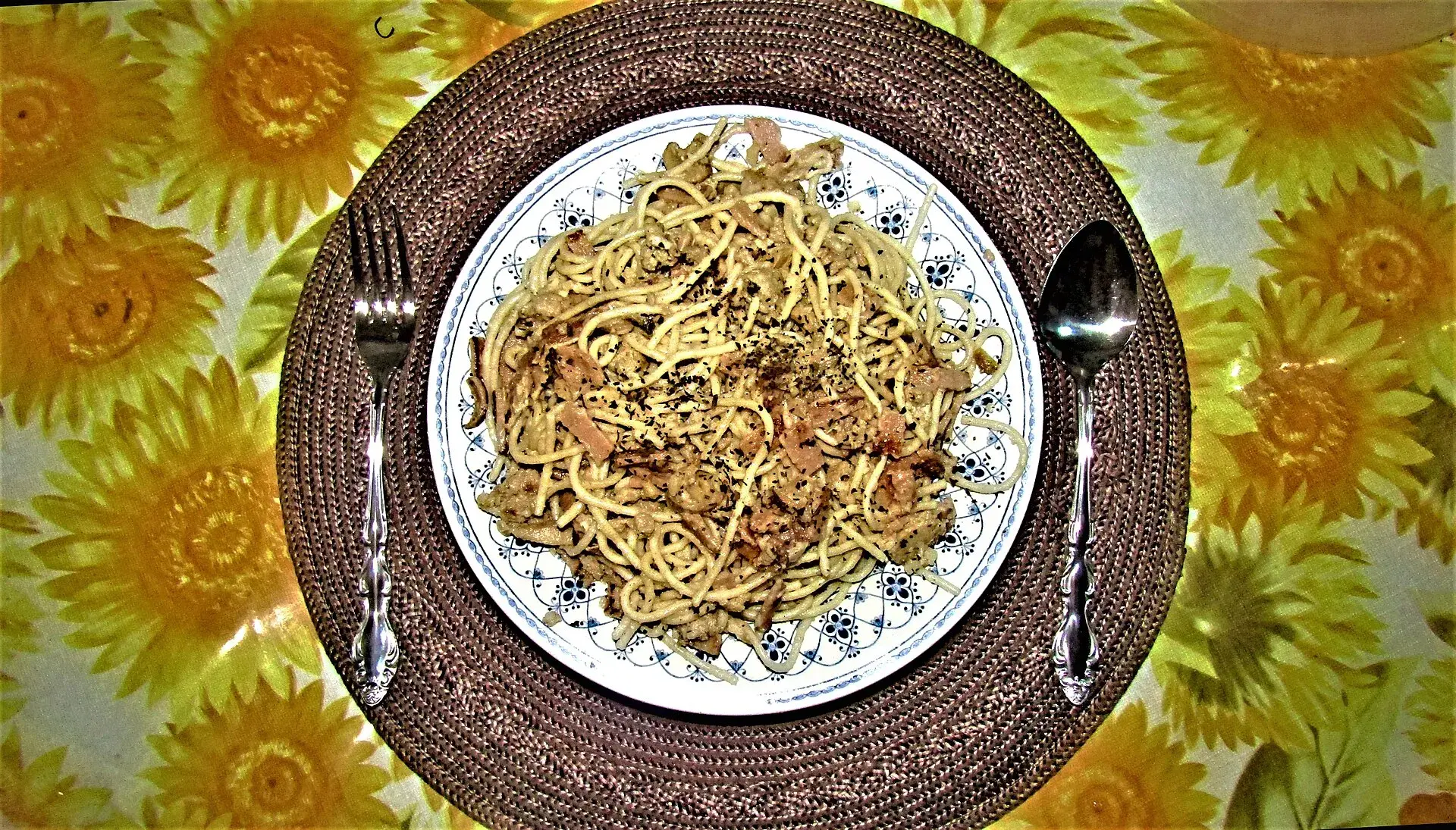
The gap between a neighbourhood trattoria and a menu-with-photos place on Piazza Navona is enormous, and it starts with coffee: standing at the bar averages €1.10 to €1.20 across Rome, but the same espresso at a table in a landmark piazza can run €5 to €6, since sitting means table service, not a different coffee. Full detail, including what a proper carbonara should cost, in what to eat in Rome.

🚈 Transport for three days
Rome's ATAC ticket is €1.50 for 100 minutes across bus, tram and metro. Tap a contactless card or phone at the gate and you pay the same €1.50 a ride, capped at €8.50 a day. Most visitors ride two to four times a day, so tapping in beats the 72 hour ticket (€22) unless you ride six or more times every day. Full detail, including airport transfers, in getting around Rome.
🎟️ What costs money, what's free
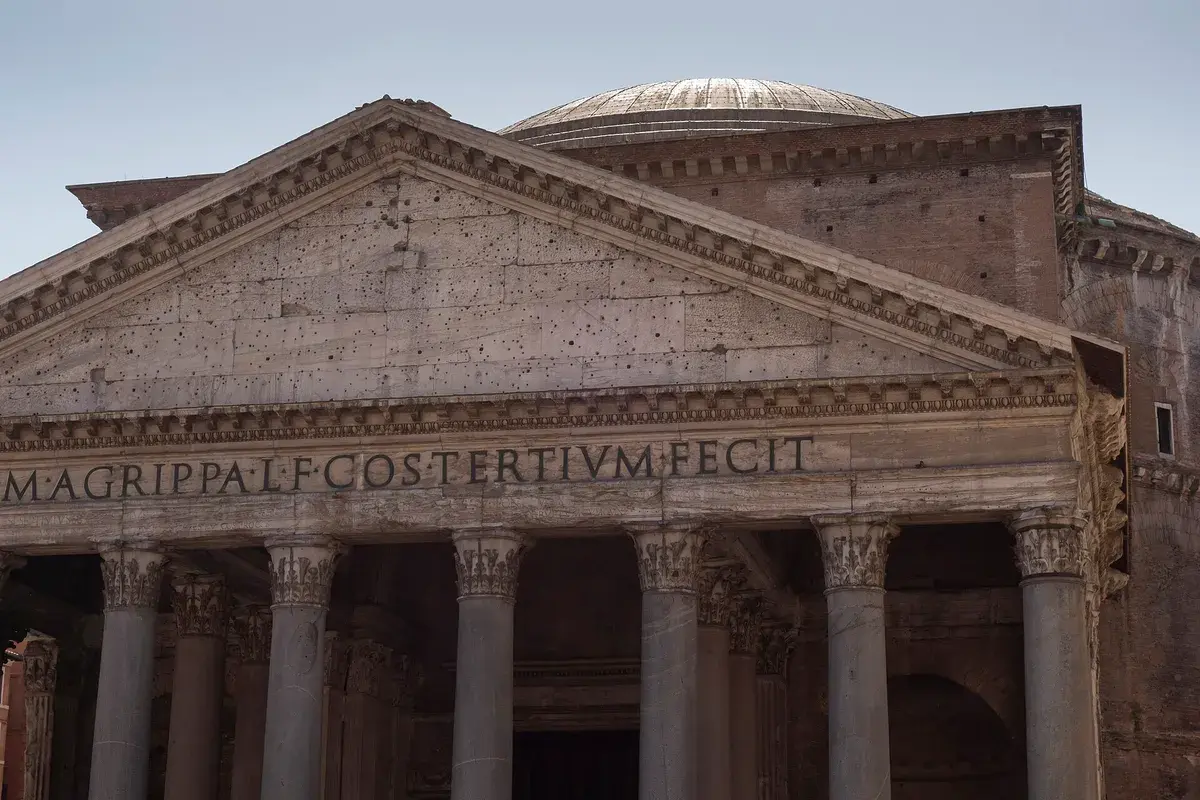
Checked September 2026: Colosseum, Roman Forum and Palatine Hill €18 full price, one combined ticket valid 24 hours. Vatican Museums €25 online (€20 base plus a €5 booking fee that's effectively mandatory for a timed slot), free on the last Sunday of the month, when queues are brutal. Pantheon €7 since 1 July 2026 (up from €5), free under 18 and on the first Sunday of the month. St Peter's Basilica is free to enter, no ticket needed for the nave. Free and cheap: piazzas, most church interiors, the nasoni, over 3,000 free public drinking fountains across the city. Full list in free things to do in Rome.
The catch most guides still miss: since 2 February 2026, visiting the Trevi Fountain itself costs €2 for non-residents, 09:00 to 22:00 (from 11:30 on Mondays and Fridays), including the first Sunday of the month. Rome and Città Metropolitana residents, young children and disabled visitors with a companion go free. Arrive before the ticket desk opens and it's still free for everyone, and quieter besides.
🏛️ The Rome tourist tax
The contributo di soggiorno is charged per person per night, up to 10 consecutive nights at the same place, under rates Roma Capitale revised on 1 October 2023 (Deliberazione n. 255/2023). The floor is about €3 to €3.50 for a hostel or campsite, the ceiling €10 for a 5-star hotel, with 2, 3 and 4-star bands between. Roma Capitale's own site blocks automated checks and secondary sources disagree on the exact mid-tier figures, so confirm your band at check-in. Children under 10, hospital patients and carers, and tour guides are exempt. It's usually collected in cash, rarely shown in the price you booked, so budget for it separately.
💰 Three day total: for one, for two
Built from the line items above: three days of food, transport and sights, plus two nights' sleep and two nights' tourist tax.
- 🎒 Lean, solo: 3 days × €18 + 2 nights × €20 to €35 + 2 nights' tax × €3.50 = €100 to €130
- 🙂 Normal, solo: 3 days × €56 + 2 nights × €80 to €115 + 2 nights' tax × €6 = €340 to €410
- 💎 Comfortable, solo: 3 days × €106 + 2 nights × €140 to €200 + 2 nights' tax × €10 (top band) = €615 to €740
Share a room and only the bed splits, not the food or the sights: a normal pair spends about €520 to €590 between them, roughly €260 to €295 each. A comfortable pair spends about €955 to €1,075, roughly €480 to €540 each. A lean pair saves least, since two dorm beds cost about what two singles do: budget close to double, around €200 to €260 for two.
⚠️ Where the money actually leaks
Queue-skip tickets. The official Colosseum, Forum and Palatine ticket is €18. Third-party "skip the line" sellers bundle it with a guide and fast-track access at a real markup, worth it for the guiding, rarely for the "skip" alone since the official ticket already books a timed slot.
Sitting versus standing for coffee. Nobody stops you sitting down, but know what you're paying for: table service, not a different espresso. Ask for the price list (listino prezzi) if it isn't obvious, by law it has to be displayed.
The coperto. A flat per-person cover charge is against Lazio's regional consumer rules, yet plenty of restaurants still add one, sometimes relabelled "pane e coperto." A disclosed servizio charge of 10 to 15% is legal if it's printed on the menu before you order. If it isn't on the menu, ask before you sit.
Restaurants on the big piazzas. Navona, the Pantheon square and the streets by the Trevi charge for the view, not the food. Walk two streets back and the same dish is often half the price.
Taxis. Fiumicino to the centre within the Aurelian Walls is a fixed €55, all-inclusive; ignore any driver quoting otherwise. Elsewhere, insist on the meter.
Bottled water instead of nasoni. Rome has over 3,000 free public drinking fountains, tested to the same standard as the tap. Bring a bottle and refill instead of buying one every few hours.
Paid walking tours. A guided group walk typically runs €25 to €45 for two hours, on top of the tip a "free" tour expects. Ciceru's self-guided walks are a flat €7 each: "Rome and Power", St Peter's to the Colosseum in about three hours, and "Charming Rome", about two.
❓ FAQ
Is Rome expensive?
For the big paid sights and sit-down tourist-area dinners, yes. For coffee at the bar, pizza al taglio, transport and free monuments, it's still one of Europe's more affordable capitals, closer to Lisbon than Paris.
How much money do I need for Rome for three days?
See the quick answer above: roughly €100 to €130 lean, €340 to €410 normal, €615 to €740 comfortable, each covering two nights, three days of food and transport, and the tourist tax.
What are the cheap things to do in Rome?
Church interiors, most piazzas, the nasoni fountains and St Peter's Basilica, all free. Full list in free things to do in Rome.
✅ Before you go
Sleep in Monti, Prati or Trastevere for the best value-for-location, tap in with a contactless card instead of buying passes, stand at the bar for coffee, and budget separately for the tourist tax since it's rarely in the price you booked at. For the wider trip, start with Rome Explained, then bring a self-guided Ciceru walk through the centre for €7.