What to Eat in Rome: Local Dishes and Where to Find Them
Last updated: September 2026
Intro
Almost every "top Rome restaurants" list gets at least one of the four Roman pastas wrong: cream sneaked into carbonara, pancetta swapped for guanciale, onion or garlic added to amatriciana, spaghetti used where tonnarelli belongs. These aren't fussy technicalities, they're the difference between a dish and its impostor, and a kitchen that gets them right is usually one you can trust with the rest of the menu. Here's what to actually eat in Rome, checked in September 2026.
Working up an appetite first? Ciceru has two self-guided walks around Rome, €7 each, a story and a quiz question at each stop and a free 500 MB global eSIM, on the Rome tours page.

⚡ Quick answer
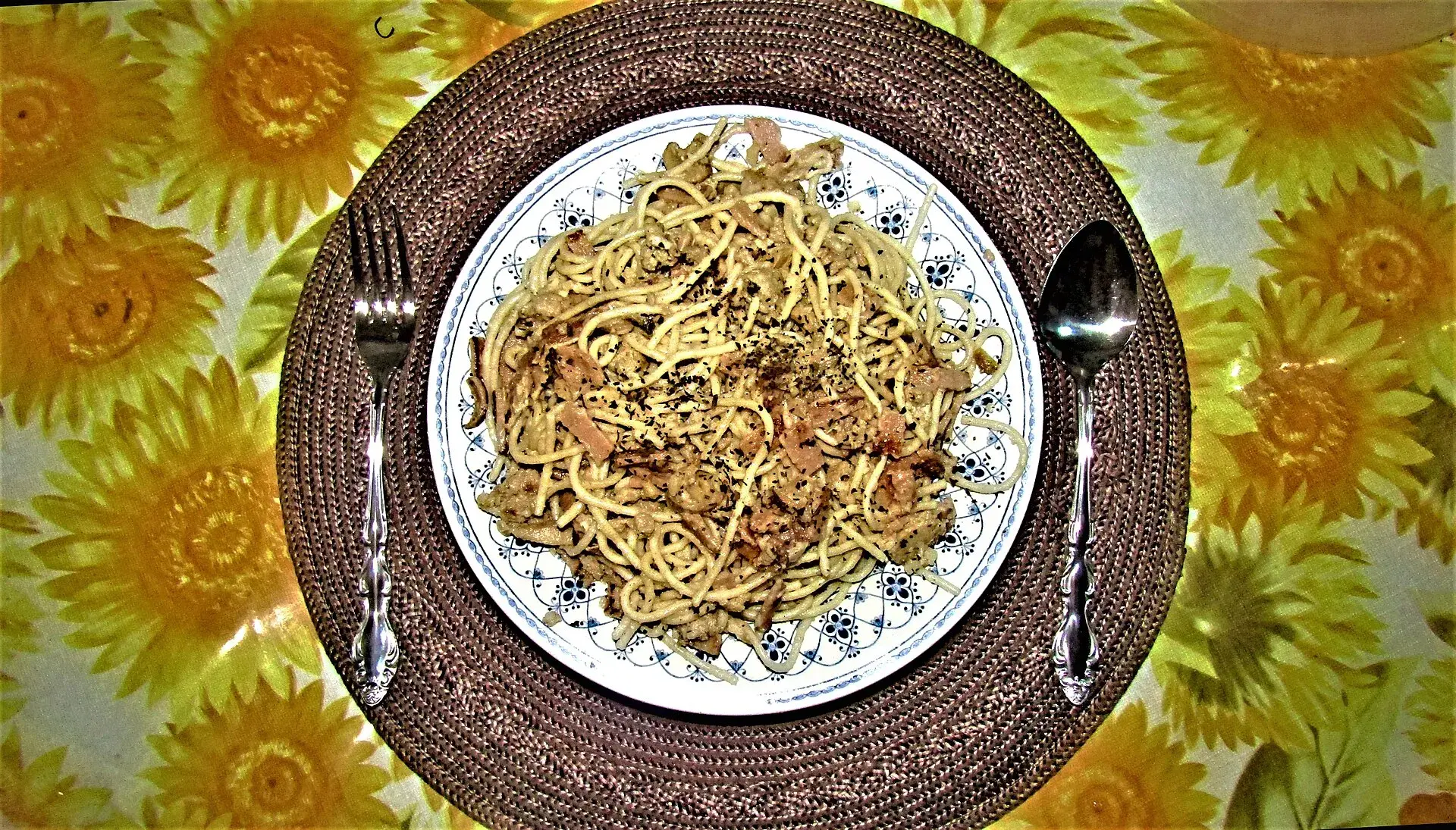
- The four Roman pastas: carbonara (guanciale, egg yolk, pecorino, pepper, no cream), cacio e pepe (pecorino and pepper, usually on tonnarelli), amatriciana (guanciale, tomato, pecorino, no onion or garlic), gricia (guanciale and pecorino, no tomato, the "white amatriciana")
- Biggest giveaway of a bad kitchen: pancetta or bacon in a carbonara, or cream anywhere near it
- Best cheap eat: supplì, a fried rice croquette with a mozzarella core
- Coffee rule: it's custom, not law, that Romans skip cappuccino after about 11:00, and a coffee costs less standing at the bar than at a table
🍝 The four Roman pastas, done right
These four dishes share the same short list of ingredients rearranged, and once you know the rules you can spot a tourist-trap kitchen from the menu alone.
Carbonara. Guanciale, egg yolks, Pecorino Romano and black pepper, nothing else. No cream, no garlic, no onion. The pan comes off the heat before the egg goes in, or you get scrambled egg rather than a silky sauce. As Michelin's own guide to Roman pasta puts it, using bacon instead of guanciale, or worse, adding cream, is "the cardinal sin."
Cacio e pepe. Just Pecorino Romano and black pepper, emulsified with starchy pasta water, no cream or butter. Michelin's guide notes it's usually served with tonnarelli, a thicker, square-cut long pasta, rather than spaghetti, because the rougher surface holds the sauce better.
Amatriciana. This one has an actual rulebook. It earned EU-protected STG status (Specialità Tradizionale Garantita) in 2020, and Amatrice, the town the dish is named after, publishes its own disciplinare (production standard). The official version uses guanciale, tomato, Pecorino Romano, dry white wine, chilli, salt and olive oil. Onion and garlic are not in it. A soffritto of onion or a smashed garlic clove makes it a variation, not the original, though plenty of respected kitchens still serve it that way.
Gricia. Amatriciana without the tomato, or carbonara without the egg: guanciale rendered crisp, tossed with Pecorino Romano, black pepper and a splash of pasta water. Older than the other three by most accounts, and the one tourists order least.
Ask what the meat is. "Guanciale" should be the answer every time; "pancetta" means the kitchen has cut a corner, even if the rest of the plate is decent.
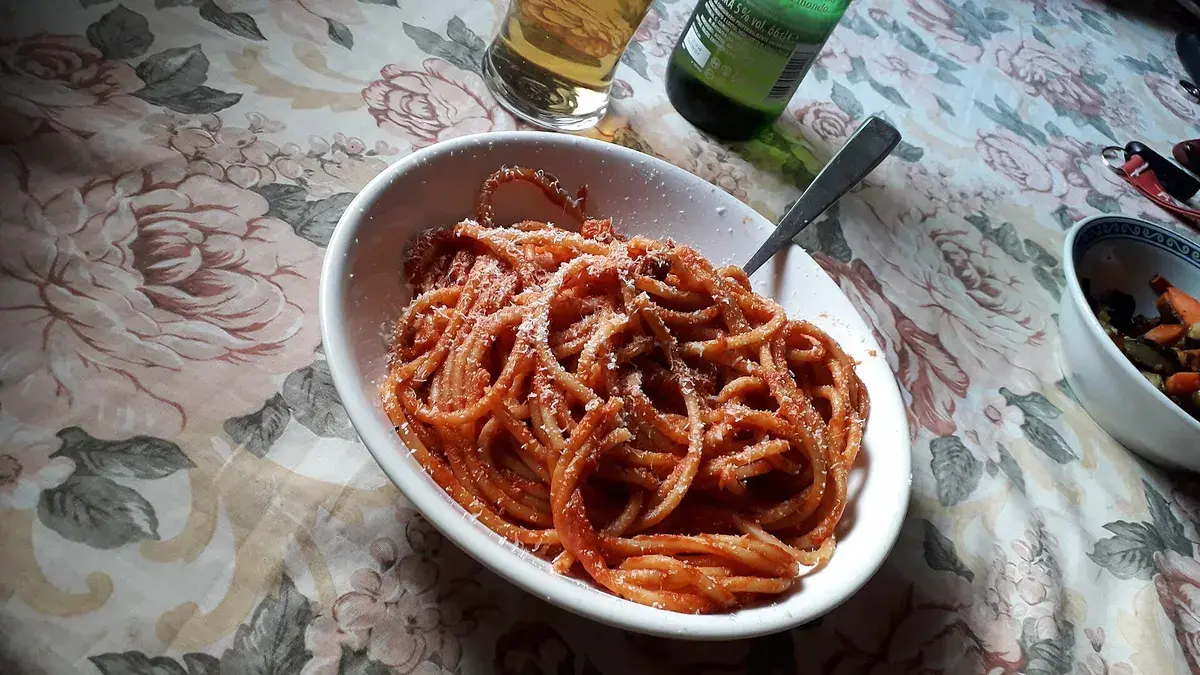
🍽️ The other dishes worth ordering
- Supplì: fried rice croquette, molten mozzarella core. Order it "al telefono," for the cheese-pull that looks like an old phone cord.
- Carciofi alla romana vs alla giudia: romana is braised low with garlic, mint and wild herbs, tender not crisp; giudia, the Roman Jewish version from the Ghetto, is deep-fried whole until the leaves crackle. Different dish, different technique, don't confuse them on a menu.
- Saltimbocca alla romana: veal, prosciutto and sage, pan-fried in butter and white wine, thin enough to justify the name ("jumps in the mouth").
- Coda alla vaccinara: oxtail braised for hours with tomato and celery, a quinto quarto (offal and off-cut) classic from Testaccio's old slaughterhouse district.
- Pizza al taglio vs pizza romana: al taglio is rectangular, sold by weight, thick and airy; the round pizza romana is a different animal, rolled thin and cracker-crisp with almost no puffy edge.
- Maritozzo: a soft sweet bun split and packed with whipped cream, traditionally breakfast.
- Trapizzino: a triangular pocket of pizza bianca dough stuffed with a Roman braise (chicken cacciatora, coda alla vaccinara, trippa), invented in Rome as portable street food.
Prices vary too much by kitchen to quote one honest range; a primo at a sit-down trattoria typically runs roughly €12 to €18, a supplì or trapizzino a few euros each.
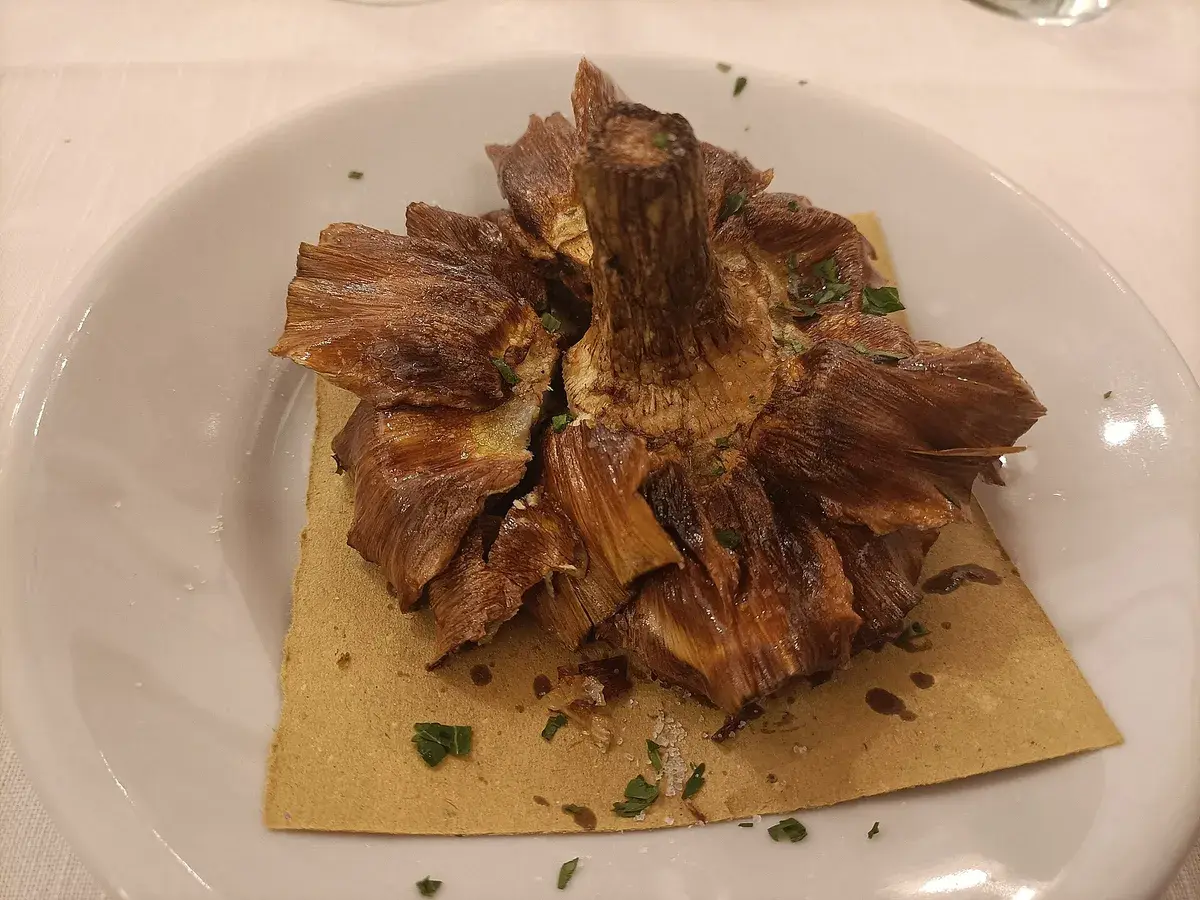
🕐 What locals eat at each meal and when
Breakfast is a cornetto and a cappuccino, standing at the bar, and that is the only time most Romans drink a cappuccino. Lunch, often a primo and secondo, runs roughly 13:00 to 14:30, and plenty of trattorie shut the kitchen until dinner. Aperitivo, a drink with snacks, fills the gap from about 18:30 to 20:30, before dinner proper, which rarely starts before 20:30 or 21:00.
🍴 Where to eat
Hours as published by each venue; check before you go, especially around August closures.
- Roscioli 📍 Via dei Giubbonari 21 🕐 12:30 to 15:30 and 19:00 to 23:30 daily. Deli, wine bar and kitchen in one, excellent carbonara, book ahead.
- Da Enzo al 29 📍 Via dei Vascellari 29, Trastevere 🕐 Mon to Sat, 12:00 to 15:00 and 18:30 to 22:30, no reservations. A handful of tables, classic dishes done properly, expect a queue.
- Trapizzino 📍 original branch Via Giovanni Branca 88, Testaccio 🕐 Tue to Thu 12:00 to 00:00, Fri and Sat to 01:00. Where the dish was born, still the most reliable branch.
- Pizzarium Bonci 📍 Via della Meloria 43, Prati 🕐 Mon to Sat 11:00 to 22:00, Sun 11:00 to 15:00 and 17:00 to 22:00. Pizza al taglio by weight, long-fermented dough, no seats.
- Supplizio 📍 Via dei Banchi Vecchi 143 🕐 Mon to Sat 12:00 to 15:30 and 17:00 to 21:30, closed Sun. Arguably the best supplì in the historic centre.
- Mercato Centrale Roma 📍 Via Giovanni Giolitti 36, inside Termini 🕐 hours vary by stall, check before you go. Worth it if you're catching a train and want quality over a station panino.
- Flavio al Velavevodetto 📍 Via di Monte Testaccio 97 🕐 12:30 to 15:00 and 19:30 to 23:00, daily. Built into Monte Testaccio itself, proper amatriciana and coda alla vaccinara, popular but honest.
- Nonna Betta 📍 Via del Portico d'Ottavia 16, the Ghetto 🕐 closed Tuesdays, check current times. Roman Jewish cooking, carciofi alla giudia done right, book if you can.
🏘️ Three neighbourhoods to eat in
- Testaccio: Rome's old slaughterhouse district and still its most food-obsessed corner, home to the covered market, Flavio al Velavevodetto, the original Trapizzino and trattorie built around quinto quarto dishes.
- Trastevere, beyond the main drag: skip the touts around Piazza Trilussa and Santa Maria and walk two streets back; Via dei Vascellari and the lanes towards Porta Portese hold the trattorie locals use.
- Monti or the Ghetto: Monti is small bars around Via del Boschetto; the Ghetto, on Via del Portico d'Ottavia, is the place for carciofi alla giudia and Roman Jewish cooking.
🧺 Markets and standing counters
- Mercato di Testaccio 📍 entrances on Via Aldo Manuzio, Via Franklin, Via Galvani and Via Ghiberti 🕐 Mon to Sat, roughly 06:00 to 14:00. Covered, purpose-built, genuinely used by residents.
- Campo de' Fiori: Rome's most photographed market, and its most tourist-priced too, especially near the centre; still worth a walk for the atmosphere, just check a price before you buy.
- Mercato Trionfale 📍 Via Andrea Doria 🕐 Mon, Wed, Thu and Sat 07:00 to 14:00, Tue 07:00 to 19:00, Fri 07:00 to 23:00, closed Sun. Rome's largest rionale market, around 270 stalls, the one Prati actually shops at.
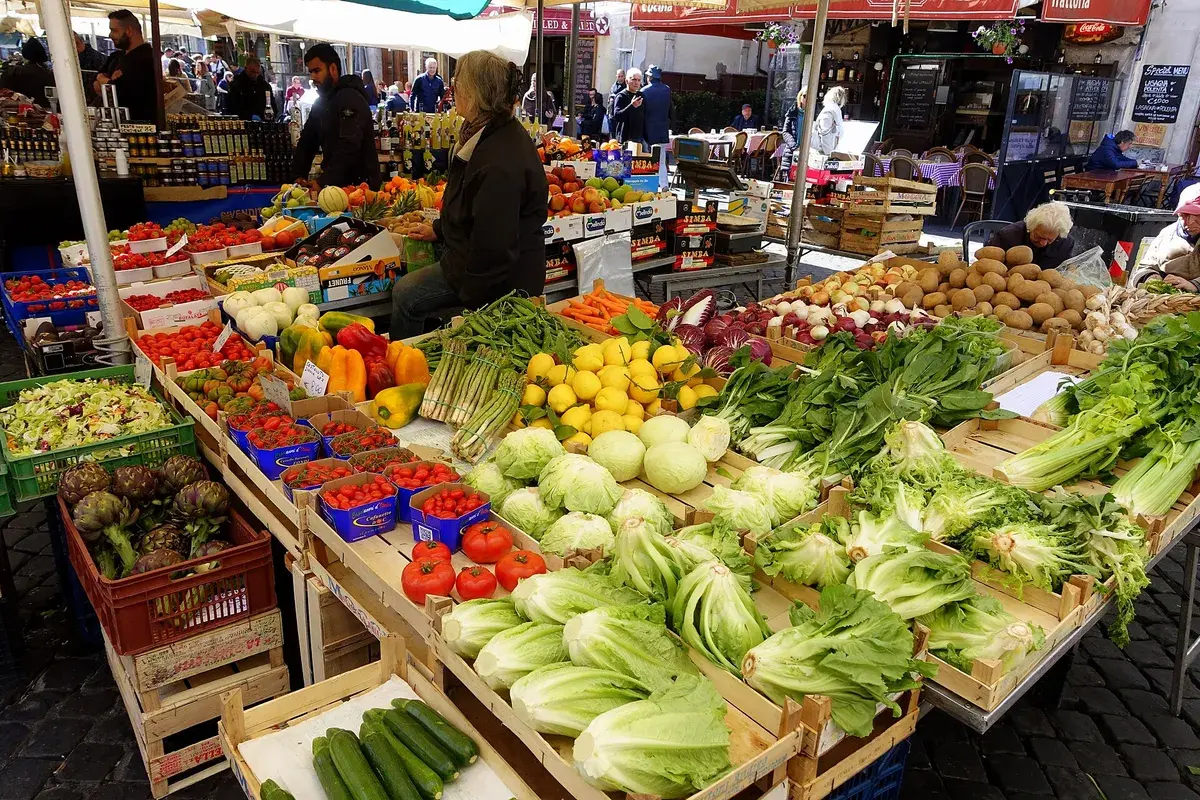
☕ Coffee and the local rules
A coffee drunk standing at the counter costs less than the same coffee at a table, sometimes a lot less once table service is added: a genuine two-tier price, not a myth. The numbers are in Rome on a budget. "No cappuccino after 11:00" is custom, not rule; nobody refuses to serve one later, Romans simply treat milky coffee as a breakfast drink and order espresso after meals instead.
⚠️ How to spot a tourist menu
A photo menu, a multilingual laminated card, a tout outside trying to walk you in, or a "tourist menu" sign are all the same warning: average food, inflated prices. Genuine trattorie tend to run a short, handwritten daily specials board in Italian and don't need to hustle for custom. No prices printed anywhere is a red flag too.
❓ FAQ
What is the correct meat for carbonara, guanciale or pancetta?
Guanciale, cured pork cheek. Pancetta is a common substitute in tourist-facing kitchens, but it isn't traditional, and neither is cream.
Does authentic amatriciana contain onion or garlic?
No. Amatrice's own production standard, which earned EU STG protection in 2020, lists guanciale, tomato, Pecorino Romano, dry white wine, chilli, salt and olive oil, and no onion or garlic. Some Roman kitchens still add a little onion as a house variation, fine to enjoy, just not the original.
What's the difference between cacio e pepe and gricia?
Cacio e pepe is Pecorino Romano and black pepper emulsified into a sauce, no meat. Gricia is the same dish with guanciale added and no tomato, the "white" version of amatriciana.
✅ Before you go
Order carbonara and amatriciana at least once each and ask what the meat is before deciding whether the kitchen has earned your trust. Eat lunch properly, most trattorie shut between services, and save dinner for after 20:30 like the locals. For the rest of the city, start with Rome Explained, and once you've eaten, walk it off on a Ciceru self-guided tour, €7, with a story and a quiz question at every stop.