Rome Explained: What It Is Known For, When to Go and What to See
Last updated: September 2026
Intro
Three things changed in Rome in the last year, and most guides written before 2026 still miss them. Since 2 February 2026, getting down to the Trevi Fountain's basin costs €2. Since 1 July 2026, the Pantheon costs €7, not €5. And since 16 December 2025, Metro C finally reaches the centre, with a new stop at Colosseo/Fori Imperiali that connects to line B. Here's what Rome is actually known for, when to go and what to see, checked in September 2026.
Ciceru runs two self-guided walks through the centre, both €7 in the Ciceru appa story and a quiz question at each stop and a free 500 MB global eSIM. More on the routes below.
⚡ Quick answer
- What Rome is known for: ancient ruins, the Vatican, Renaissance and Baroque art, and food, all layered into one walkable centre
- Best time to go: April, May, late September and October, when highs sit around 18 to 23°C and the summer crowds have thinned
- How long you need: 3 full days covers the five big hitters comfortably; 4 to 5 lets you add a proper neighbourhood
- Freshest changes: Trevi Fountain basin access now costs €2 (from Feb 2026); Pantheon entry rose to €7 (from 1 July 2026); Metro C reached the Colosseum in December 2025
- Is Rome worth visiting: yes, it's dense with genuinely world-class sights within walking distance of each other, which few cities can claim
🏛️ What Rome is actually known for
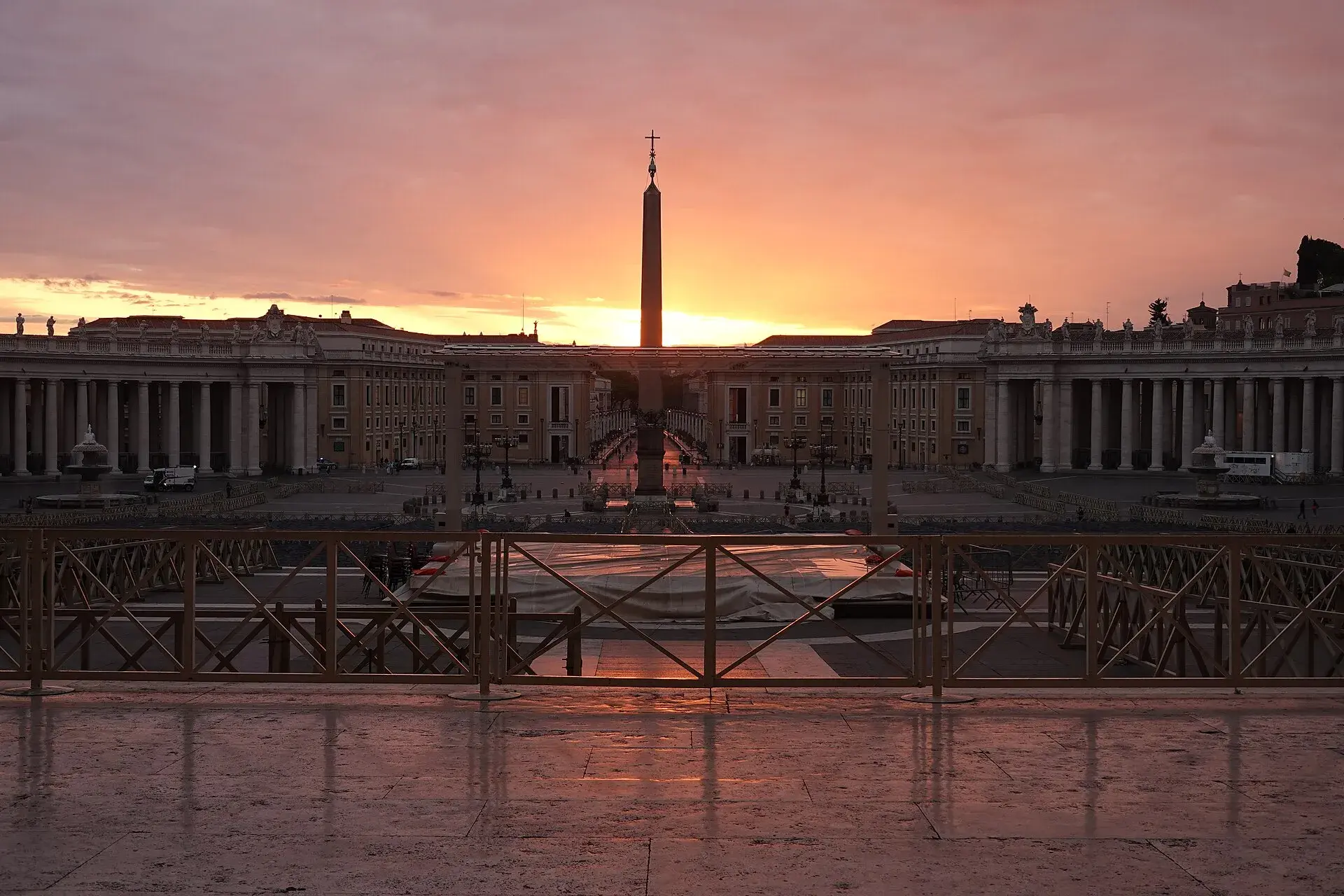
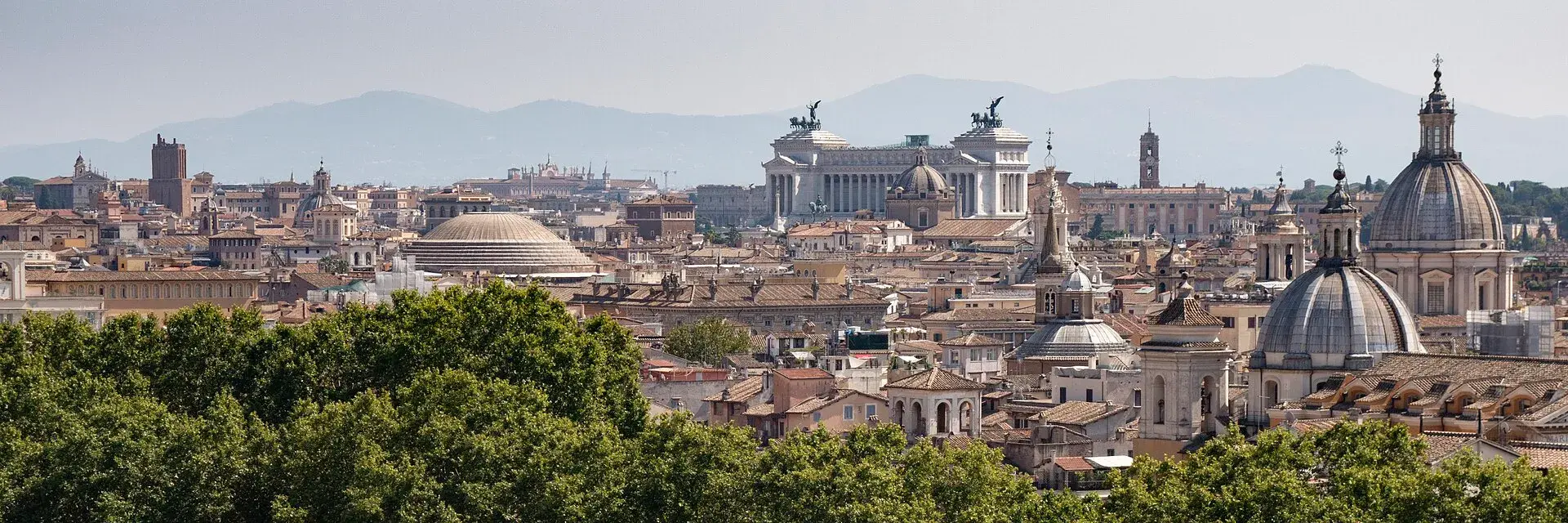
Rome is known for having three cities stacked on one site: the ancient Roman capital of an empire, the seat of the Catholic Church, and a Renaissance and Baroque showcase built largely from the first two. That's the whole appeal in one line. You can stand in the Roman Forum, walk fifteen minutes to a church with a Caravaggio inside, and finish at a Baroque fountain, all before lunch. No other European capital compresses this much history into a centre you can cross on foot in under an hour.
🏺 The short history that explains the layout
Rome's street plan makes sense once you know the build order. The ancient coreForum, Palatine, Colosseum, sits in low ground the Tiber used to flood, which is why it got buried for centuries before archaeologists dug it out. Papal Rome grew up around St Peter's, across the river, and along the pilgrim routes leading to it. The Baroque period1600s onward, filled the gaps with fountains and piazzas, Trevi, Navona, the Spanish Steps, mostly commissioned by popes competing to leave their mark. The Tiber is the hinge: cross it and you go from imperial Rome to papal Rome in one bridge.
📍 The five places everyone goes
Colosseum, Roman Forum and Palatine 💶 €18 full price, one combined ticket, valid 24 hours 🕐 Colosseum opens 08:30, Forum-Palatine 09:00; peak season (29 March to 30 Sept 2026) runs to 19:15, last entry 18:15. Tickets carry the visitor's name, checked against ID, and Colosseum entry needs a booked time slot, sold up to 30 days ahead. Verdict: worth it, but book online first; turning up without a slot is the most common first-timer mistake here.
The Vatican (St Peter's Basilica and Museums) 💶 basilica entry free; Vatican Museums €20 full price without booking, €25 with a timed online slot 🕐 hours shift around services and holy days, check before you go. Verdict: the basilica alone is free and unmissable; only add the Museums, and the Sistine Chapel inside them, if you've got a half day, the queues without a booked slot are brutal.
Pantheon 💶 €7 full price as of 1 July 2026 (up from €5), €2 reduced for EU citizens 18 to 25, free under 18 and on the first Sunday of the month 🕐 daily 09:00 to 19:00, last entry 18:30. Verdict: still worth it, the best-preserved Roman building standing, but note the new price if you last checked before mid-2026.
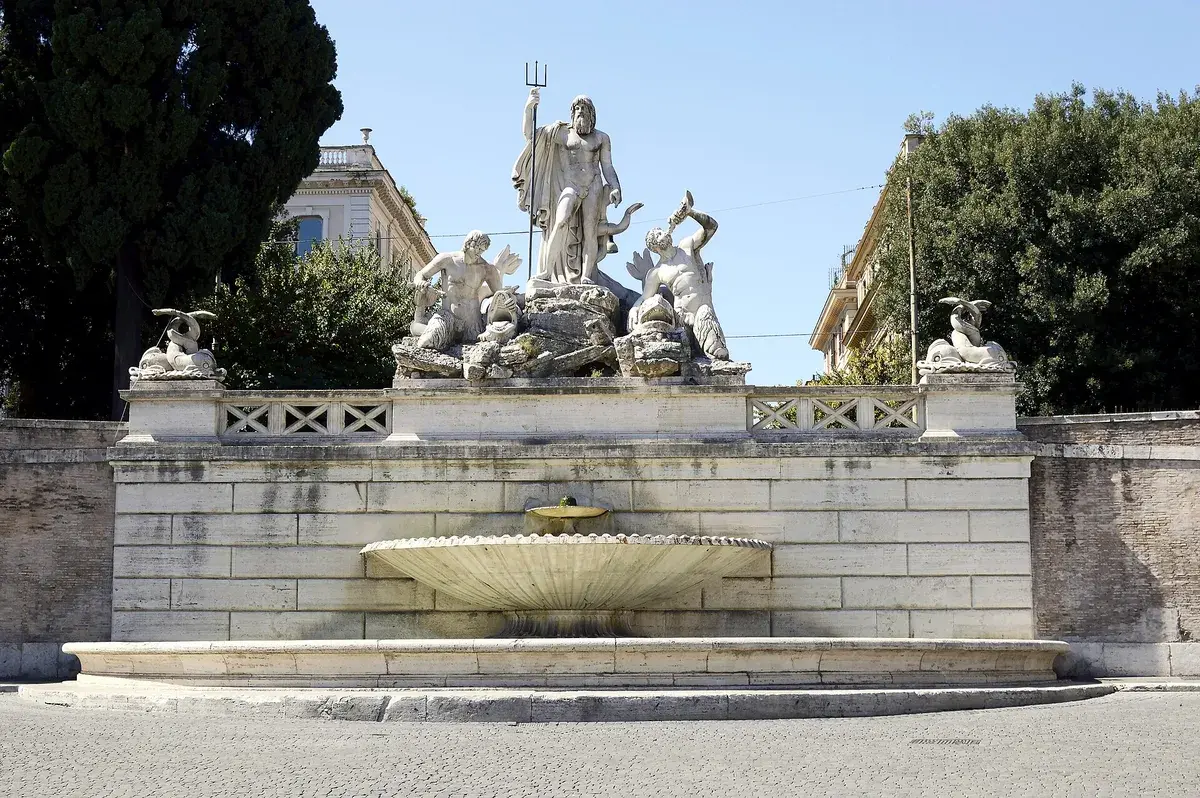
Trevi Fountain 💶 free to view from the piazza; €2 for basin-level steps access since 2 February 2026, 09:00 to 22:00 (from 11:30 on Mondays and Fridays) 🚫 free for Rome and Città Metropolitana residents, young children and visitors with disabilities. Verdict: skip the paid steps, the view from the piazza is the same fountain and costs nothing.
Piazza Navona 💶 free, always open. Verdict: ignore the caricature artists and overpriced café tables ringing the square. The square itself, Bernini's fountain and the Baroque facades, is one of Rome's best free sights.
For the full cost breakdown across a trip, see Rome on a Budget.
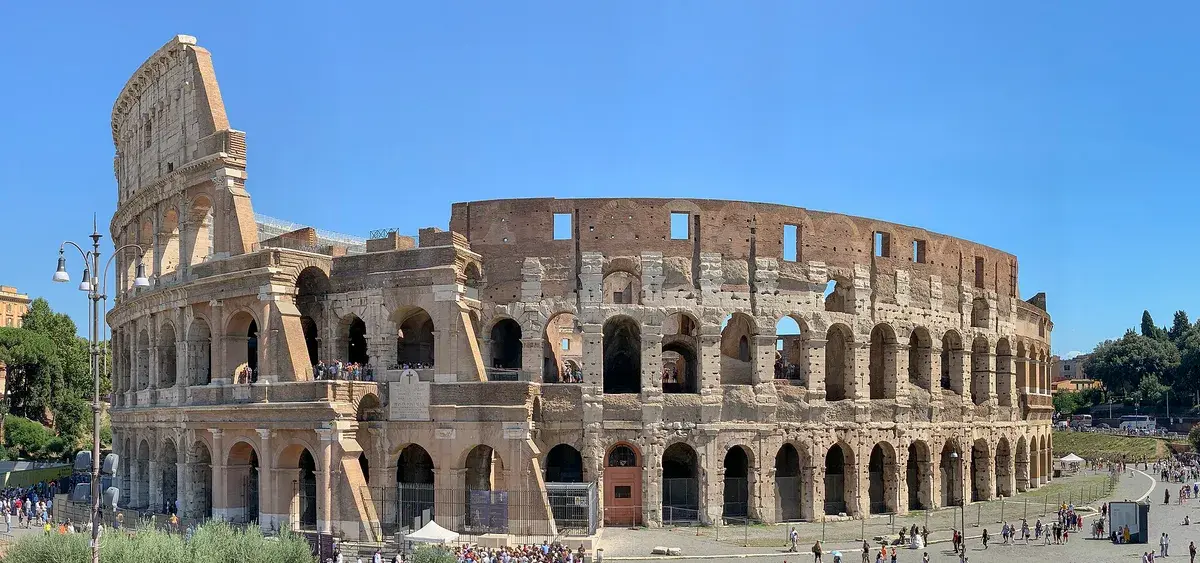
🙈 Three places tourists skip and shouldn't
- Testaccio Market and neighbourhood 📍 south of the centre, past the Aventine. Rome's actual food market, with none of the centro storico markup. Our food guide covers what to eat there.
- The Aventine Keyhole 📍 Piazza dei Cavalieri di Malta. Free, and one of the best framed views in the city, St Peter's dome lined up perfectly through a garden gate keyhole.
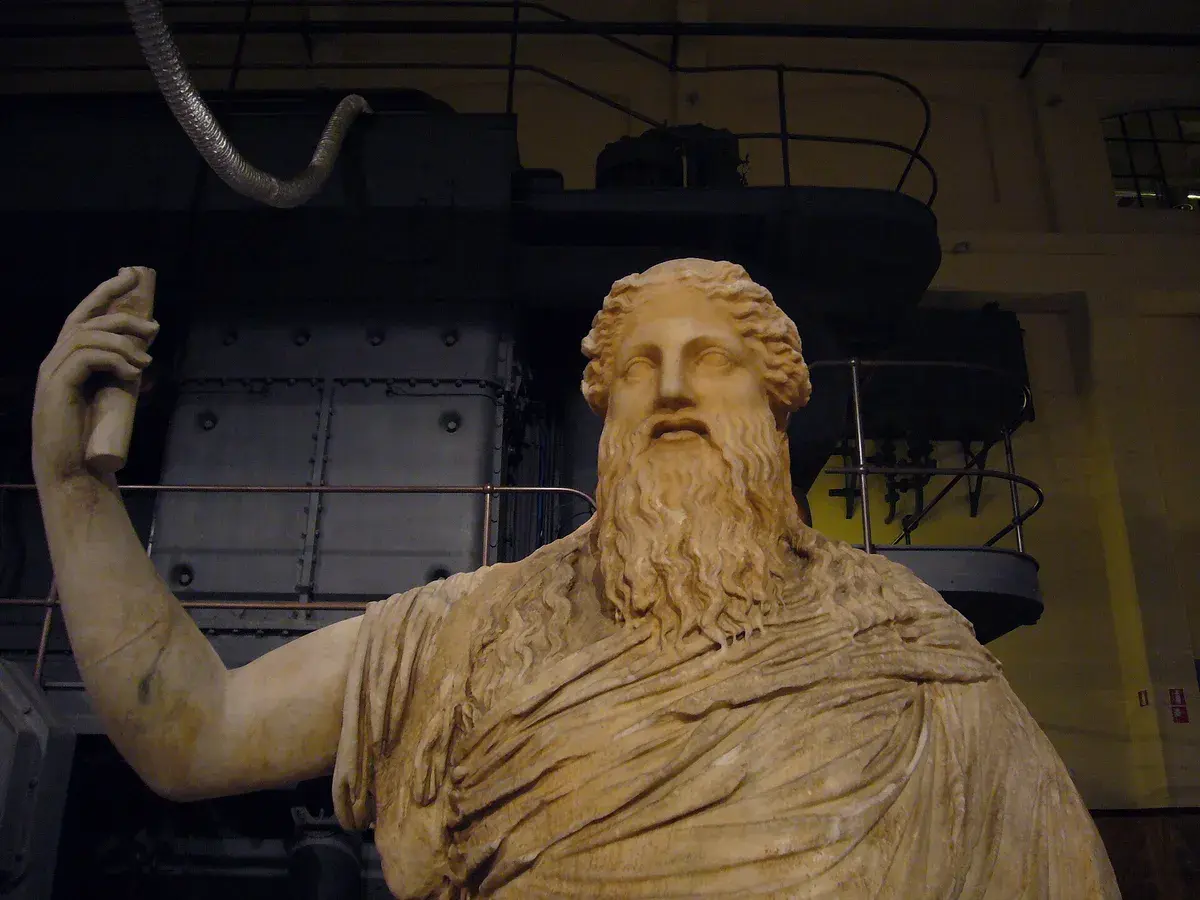
- Centrale Montemartini 📍 Ostiense. Classical statues displayed inside a decommissioned 1912 power station, machinery and marble side by side, and usually empty compared with the Capitoline Museums it's a branch of. More free and cheap ideas in Free Things to Do in Rome.
🌦️ Weather month by month
Average daily highs, from the Italian Air Force's Ciampino Airport climate normals (1991 to 2020), via Wikipedia's Climate of Rome page:
- January: 12°C
- February: 13°C
- March: 16°C
- April: 19°C
- May: 22°C
- June: 28°C
- July: 31°C
- August: 32°C
- September: 27°C
- October: 22°C
- November: 17°C
- December: 13°C
July and August are hot and busy; a lot of Romans leave the city in August. Winter (December to February) is mild and wet rather than cold, and short queues make it a good trade-off if you don't mind a coat.
🗓️ Best time to go and how many days you need
Best months: April, May, late September and October. Highs sit in the high teens to low twenties, and you avoid both the August heat and the Easter and summer crowd peaks.
How many days: three full days is the realistic minimum to cover ancient Rome, the Vatican and the historic centre without rushing every stop. Four or five lets you add Trastevere by night or a neighbourhood like Testaccio. Our 3-day Rome itinerary lays out one way to sequence it. Working remotely for longer? See our guide to coworking spaces in Rome.
🚶 A two hour essentials walk
Ciceru's "Charming Rome: Explore The Eternal City" self-guided walk, €7, 4 km, about 2 hours, links eight stops in this order: Piazza del Popolothe Mausoleum of Augustusthe church of Sant'Antonio dei PortoghesiPiazza NavonaLargo di Torre Argentina (the cat sanctuary among Republican-era temple ruins), the Portico of Octavia in the old Jewish Ghetto, Piazza del Campidoglio on the Capitoline Hill, and Trajan's Forum. It's a sensible loop through Renaissance squares, a Jewish quarter with 2,000 years of continuous history, and the edge of ancient Rome, each stop with a story and a quiz question in the app.
If you want the fuller sweep, the longer route, "Rome and Power: From the throne of St Peter's to the shadow of the Colosseum"covers 6 km and about 3 hours across 10 stops: St Peter's Basilica, Castel Sant'Angelo, Piazza Navona, San Luigi dei Francesi (its three Caravaggio paintings are free to see inside), the Pantheon, Palazzo Montecitorio, the Trevi Fountain, Piazza Venezia, the Roman Forum and the Colosseum, effectively both halves of papal and ancient Rome in one afternoon. Both walks are €7 on Ciceru's Rome page.
❓ FAQ
What is Rome actually known for?
Ancient Roman ruins, the Vatican and Catholic Church, Renaissance and Baroque art and architecture, and food, all within a compact, walkable centre.
Is Rome worth visiting if I only have a few days?
Yes. Three focused days cover the Colosseum and Forum, the Vatican and the historic centre, more comfortably than most cities manage in a week, because so much sits close together.
Do I need to pay to see the Trevi Fountain?
No. Viewing it from the piazza is free. Only stepping down to the basin level costs €2, introduced in February 2026.
✅ Before you go
Book the Colosseum time slot and, if you're adding the Sistine Chapel, a Vatican Museums slot, before you land, both sell out. Coming from the east of the city, Metro C now runs straight to the Colosseum. For getting around and luggage, see Getting Around Rome; for stretching your budget, Rome on a Budget. And when you're ready to walk it, Ciceru's two self-guided Rome tours run €7 each, a story and quiz question at every stop.