What to Eat in Lisbon: Local Dishes and Where to Find Them
Last updated: September 2026
Intro
Most "what to eat in Lisbon" lists stop at the pastel de nata and call it done. That's one bite of a bigger picture: a bifana at a stand-up counter, tinned fish opened at your table, grilled sardines if you're here in June, and a weekday lunch for around €10 if you order what the table next to you is eating. Here's what to actually order, and where, checked in September 2026.
Before you eat your way through the city, Ciceru has a self-guided walk in Lisbon, €7, with a story and a quiz question at each stop and a free 500 MB global eSIM, on the Lisbon tours page.

⚡ Quick answer
- Eat this first: a bifana (pork in a soft roll), a tin of conservas split between two, and one pastel de nata, not necessarily at the famous place
- Best cheap lunch: a prato do dia (dish of the day) at a tasca, usually €8 to €12
- Seasonal dish: sardinhas assadas (grilled sardines), properly in season around Santo António, Lisbon's 13 June feast day, when the whole city grills them in the street
- The one rule to know: the bread, olives and cheese that land on your table unasked (the couvert) are free to refuse, but if you eat any of it, you pay for it
🍽️ The dishes worth ordering
Bacalhau (salt cod) is a whole cuisine, not one dish. Bacalhau à brás (shredded with fried potato strips and egg) and bacalhau com natas (baked with cream) are the two you'll see most; a good tasca usually runs two or three versions a week.
Polvo à lagareiro is octopus, oven-roasted until the tentacles crisp at the edges, doused in olive oil and served with smashed new potatoes. A proper sit-down dish, worth the wait.
Caldo verde is a thin, bright green kale and potato soup with a slice of chouriço floating in it, the standard starter at almost any tasca.
Prego is Portugal's answer to the steak sandwich: a thin beef steak, garlic and often a fried egg, in a plain roll, usually eaten standing at a café counter for a few euros.
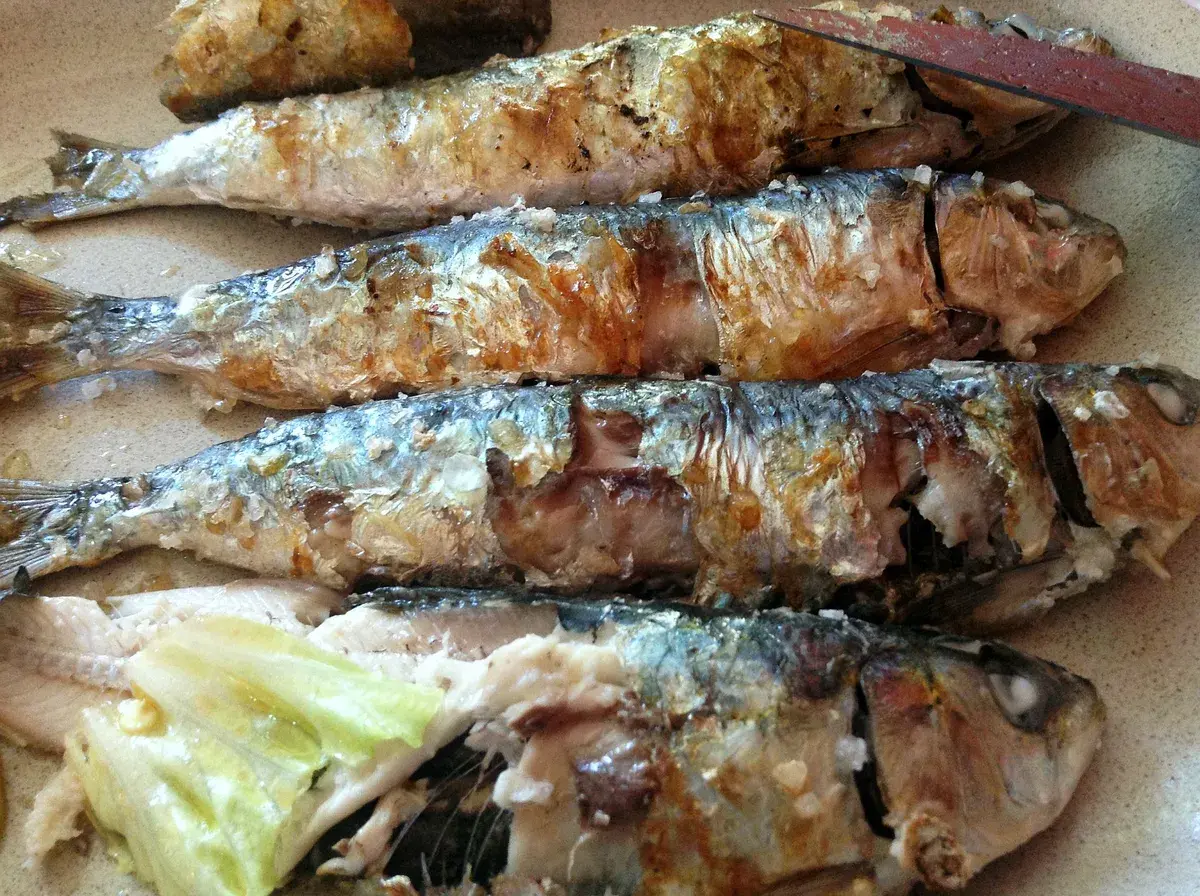
Sardinhas assadas, grilled sardines, are properly in season through summer, and the city leans hardest into them around 13 June, Santo António's feast day and Lisbon's municipal holiday, when Alfama and Graça fill with smoke from street grills and long communal tables.
Ginjinha is a sour cherry liqueur, drunk in a shot glass, sometimes with a cherry dropped in ("com elas"). A habit rather than a meal, best had standing at one of the tiny historic shops in Baixa.
🥪 Bifana, and where
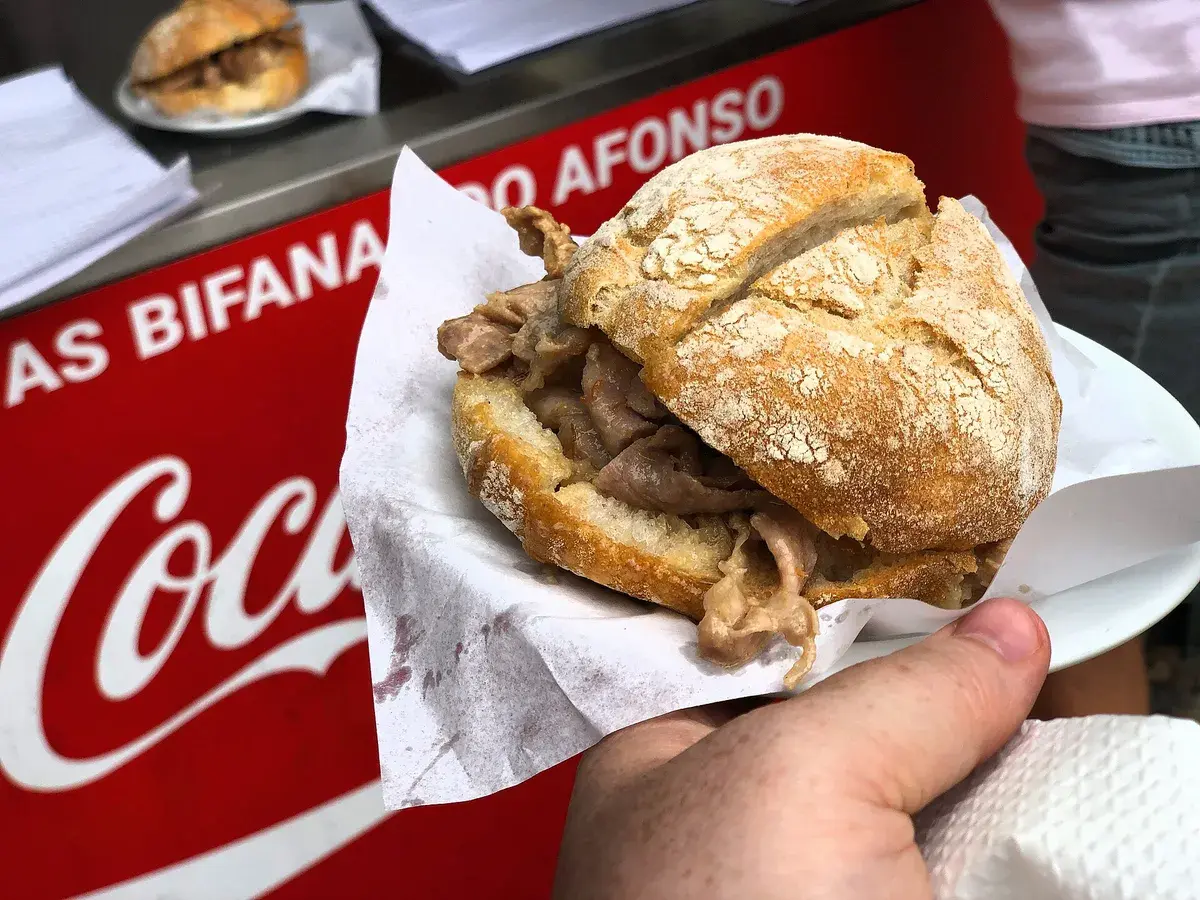
A bifana is thin-sliced pork, marinated and stewed in garlic, white wine and paprika, piled into a plain white roll, mustard optional. It's the sandwich Lisbon actually eats, not the one it photographs.
- O Trevo 📍 Praça Luís de Camões 48, Chiado 🕐 Monday to Saturday, roughly 07:00 to 22:00, closed Sunday, cash only. A standing-room cervejaria on the square, bifanas are the reason people queue at the counter.
- Zé dos Cornos 📍 Beco dos Surradores 5, near the Baixa/Alfama edge 🕐 Monday to Wednesday and Saturday 11:45 to 16:00, Thursday and Friday also 19:00 to 22:00, closed Sunday. A genuine tasca rather than a sandwich counter, bifana included among the daily dishes.
🐟 Tinned fish and petiscos
Petiscos are Portugal's small plates: a few dishes ordered to share across the table, closer in spirit to tapas than identical to them, usually built around a proper piece of fish, cheese or cured meat rather than a bar snack.
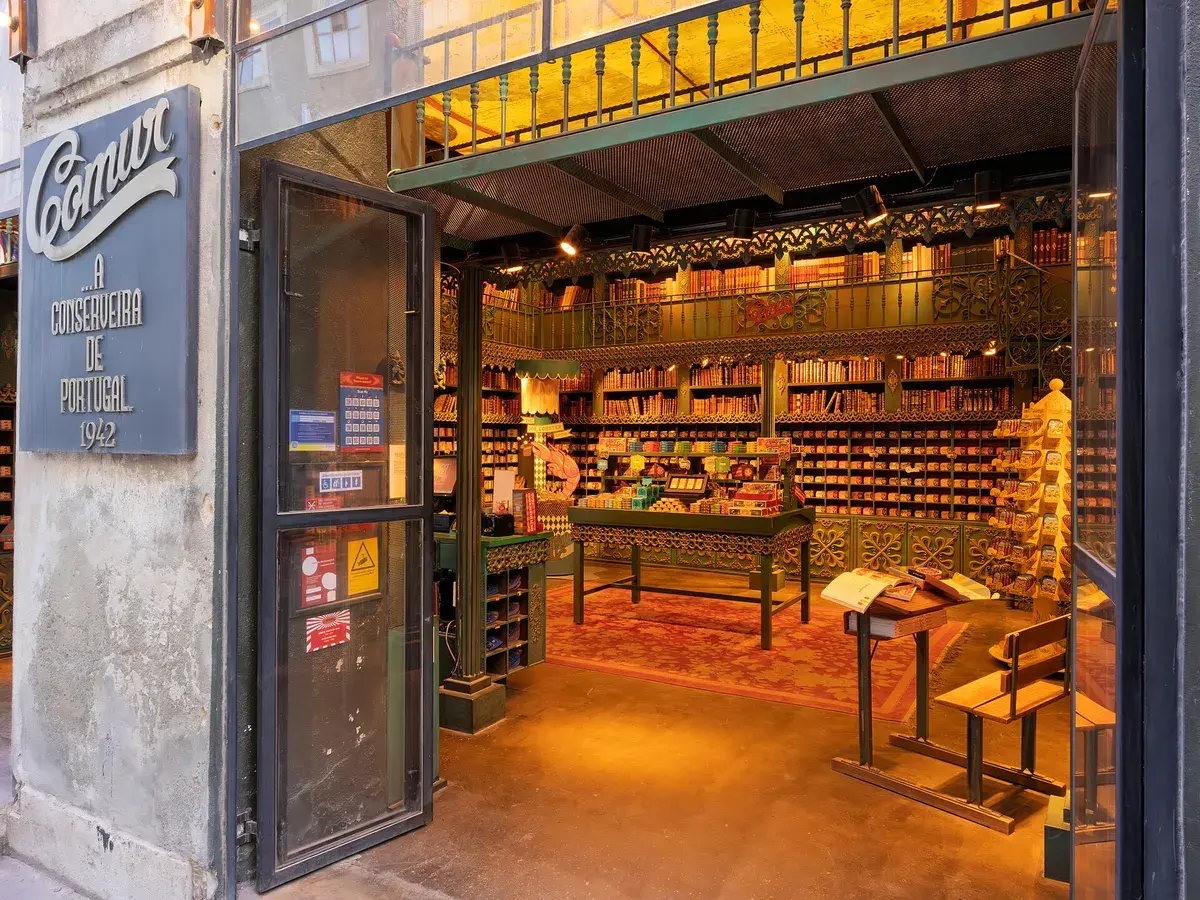
Tinned fish (conservas) sits inside that same culture, not an emergency ration but something you'd deliberately order: sardines, tuna or mackerel in olive oil, tomato or spice, opened at the table with bread. Conserveira de Lisboa 📍 Rua dos Bacalhoeiros 34, near the Baixa waterfront, running since 1930, is the best known shop for it, selling tins by the artist-designed label as much as the fish inside; check opening times before you go.
For the fresher end of the same culture, Cervejaria Ramiro 📍 Avenida Almirante Reis 1H 🕐 continuous service 12:00 to 23:00, closed Mondays, is the city's seafood institution: tiger prawns, percebes and crab by the kilo. Order less than you think you want.
🥧 The pastel de nata question, settled
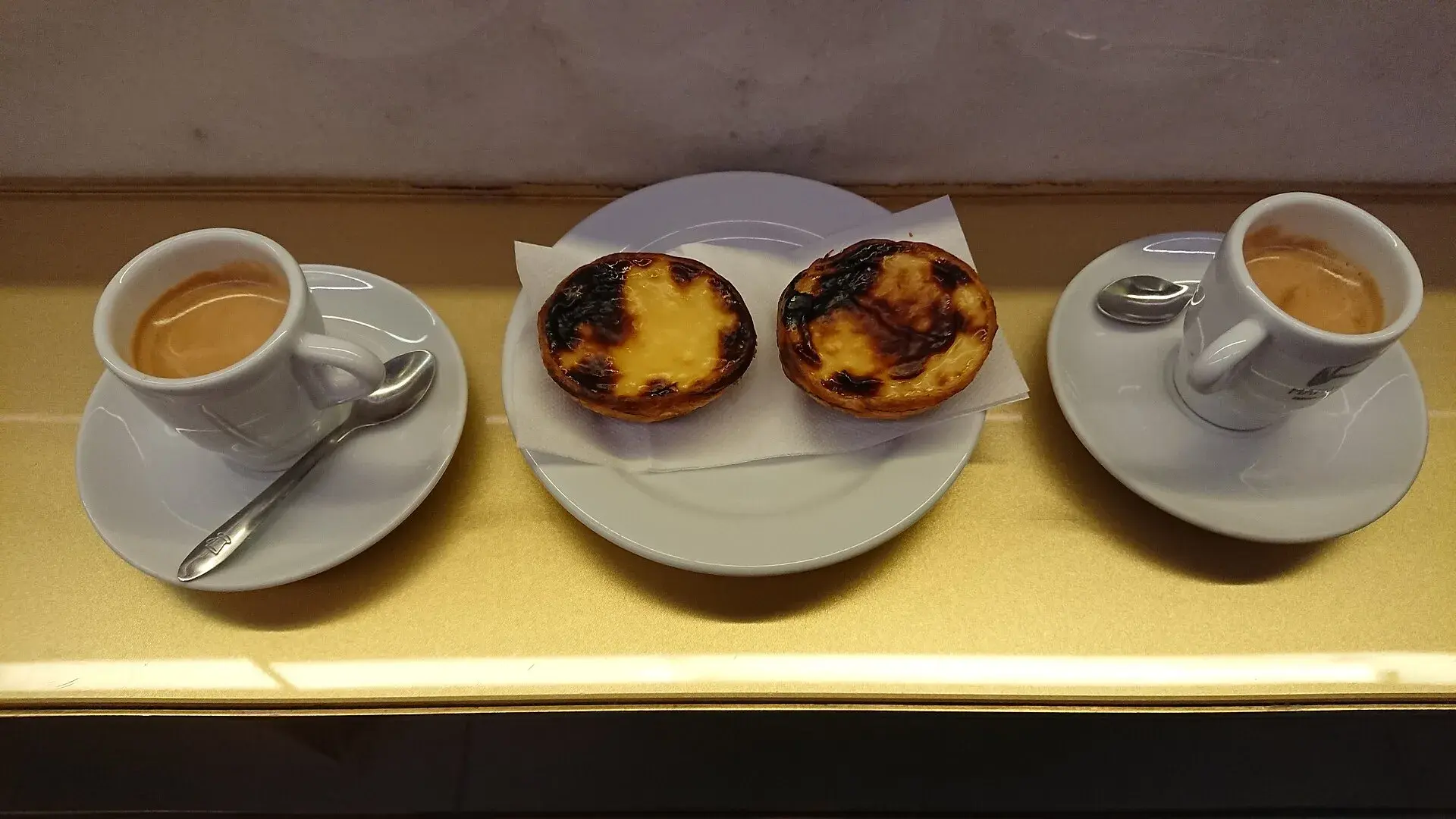
Every list argues about this, so here's the honest version. Pastéis de Belém 📍 Rua de Belém 84 to 92 🕐 open daily, check current times before you go, is the original: made since 1837, from what the bakery itself calls a secret formula carried over from the neighbouring Jerónimos Monastery, at €1.60 each. Worth the queue once, but it's a tram ride from the centre for most itineraries.
Manteigaria is the locals' answer: an open kitchen, a crisper, darker-caramelised top than Belém's, and enough branches (Chiado, Baixa, Príncipe Real, Alfama and more) that you're rarely far from one. The Chiado branch 📍 Rua do Loreto 2 🕐 08:00 to midnight, daily, is the original, right on Praça Luís de Camões, a few steps from O Trevo.
The truth: a good neighbourhood pastelaria with no queue and a till full of regulars will serve you a pastel just as good as either famous one. Order it quente (warm), dust it yourself with cinnamon and sugar from the pots on the counter, and don't overthink which shop it came from.
🍴 Where to eat
- O Trevo 📍 Praça Luís de Camões 48 🕐 Mon to Sat 07:00 to 22:00, closed Sun. Bifanas, standing room, cash only.
- Zé dos Cornos 📍 Beco dos Surradores 5 🕐 Mon to Wed and Sat 11:45 to 16:00, Thu and Fri also 19:00 to 22:00, closed Sun. Proper tasca cooking, a rotating prato do dia.
- Manteigaria, Chiado 📍 Rua do Loreto 2 🕐 08:00 to 00:00 daily. Open-kitchen pastel de nata, no queue like Belém's.
- Pastéis de Belém 📍 Rua de Belém 84 to 92 🕐 open daily, check current hours. The original, €1.60 a pastel.
- Cervejaria Ramiro 📍 Av. Almirante Reis 1H 🕐 12:00 to 23:00, closed Mon. Seafood by weight, book ahead or expect a wait.
- Time Out Market Lisboa 📍 Av. 24 de Julho, Mercado da Ribeira, Cais do Sodré 🕐 daily 10:00 to 00:00. Honestly: a curated food court of the city's better kitchens, pricier and more tourist-heavy than eating at the source, but genuinely useful once, especially with a group that can't agree.
- Mercado de Campo de Ourique 📍 Rua Coelho da Rocha, Campo de Ourique 🕐 check current hours before you go. A quieter, more residential answer to Time Out Market.
🏘️ Three neighbourhoods to eat in
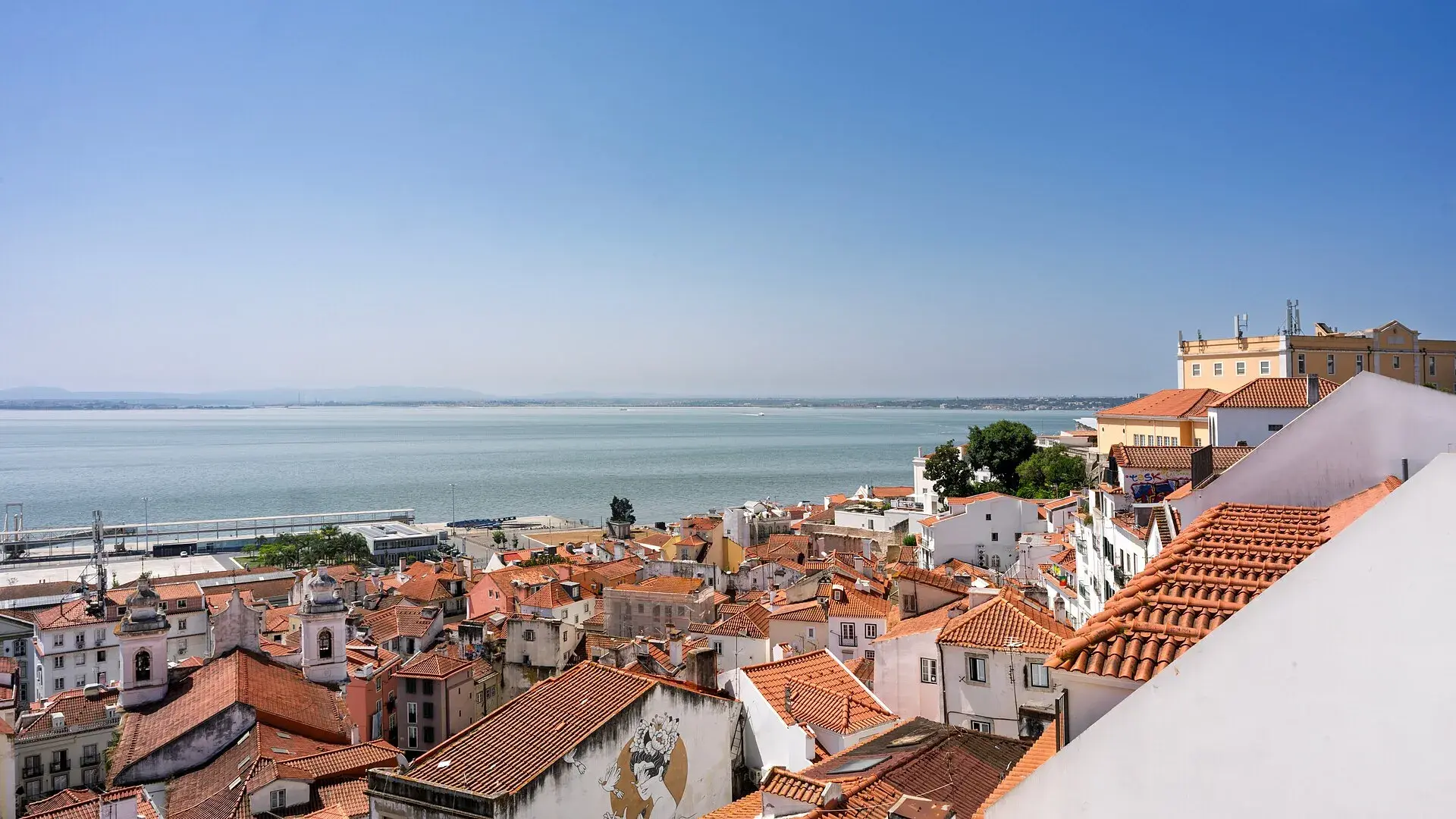
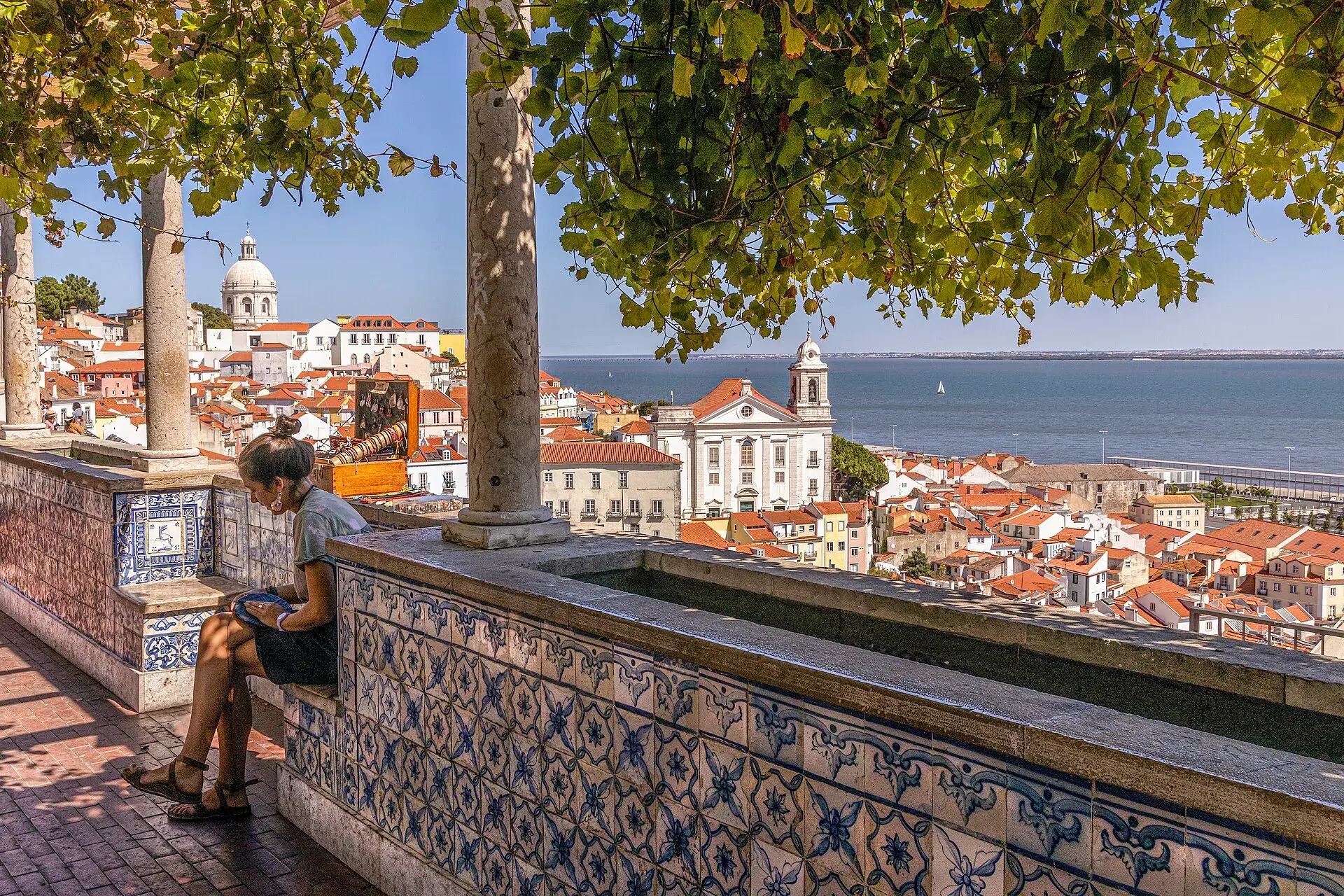
- Alfama and Graça: the oldest part of the city, steep lanes, small tascas with no English menu, and the heart of the Santo António sardine season.
- Baixa and Chiado: the grid around Praça Luís de Camões and Praça do Comércio, where Manteigaria and O Trevo both sit, plus most of the historic ginjinha shops.
- Campo de Ourique: a residential grid west of the centre, its covered market pulling in locals rather than tour groups.
☕ Coffee and the local rules
A bica is a short black espresso, ordered by name in Lisbon rather than "café" (both get you the same drink, but "bica" marks you as paying attention). A galão is a tall milky coffee in a glass, the closest thing to a latte, usually a breakfast order. Standing at the counter is normal, and often cheaper than sitting at a table for the same drink, so ask first if the price matters.
⚠️ What to skip and how to spot a tourist menu
The couvert, bread, olives, butter or cheese brought to the table unasked, is not free just because you didn't order it. Refuse it outright and it must be removed at no charge, but eat any of it and you've accepted the bill. It's written into Portuguese law (Decree-Law 73/2015), not restaurant custom, and every menu must state its price. For what a full day of eating like this adds up to, see Lisbon on a budget.
A laminated multilingual menu with photos of every dish, a tout outside, and a "tourist menu" board are the same warning sign as anywhere in Europe: average food at inflated prices. A short, handwritten prato do dia board in Portuguese only, changing daily, is the opposite signal.
❓ FAQ
What is the one dish I should try in Lisbon that isn't the pastel de nata?
A bifana, a pork sandwich eaten standing at a counter for a few euros. It's what Lisbon actually eats day to day, and O Trevo or Zé dos Cornos are both honest places to start.
Do I have to pay for the bread and olives that arrive without being ordered?
Only if you eat them. Refuse the couvert outright and it's removed free of charge; touch any of it and you've accepted the bill, by Portuguese consumer rules that every menu must state clearly.
Where are grilled sardines actually in season?
Through the summer generally, but the real event is around 13 June, Santo António's feast day and Lisbon's municipal holiday, when Alfama and Graça grill them in the street over charcoal.
✅ Before you go
Order a bifana before a pastel de nata, split a tin of conservas with someone, and if you're here in June, follow the smoke to Alfama on the 13th. Skip anything with a photo menu and a tout outside. For the rest of the city, start with Lisbon Explained, and once you've eaten, the Ciceru self-guided walk runs downhill from Alfama's viewpoints through the Baixa and back up to Chiado and Bairro Alto, €7, with a story and a quiz question at every stop.