Lisbon Explained: What It Is Known For, When to Go and What to See
Last updated: September 2026
Intro
Lisbon is built across seven hills, and here the hills actually run your day: which neighbourhoods you can walk between, which ones need a lift, and which lift is even working. That last part matters more than most guides admit. Since the Elevador da Glória funicular derailed in September 2025, killing 16 people, Lisbon's three other historic lifts, the Elevador da Bica, the Elevador do Lavra and the Elevador de Santa Justa, have all been shut too, pending safety checks, with no confirmed reopening date. Here's what Lisbon is actually known for, when to go and what to see, checked in September 2026.
Ciceru runs one self-guided walk through the centre, €7 in the Ciceru app, a story and a quiz question at each stop and a free 500 MB global eSIM. More on the route below. Flying in? See our guide to getting from Lisbon Airport to the city centre.

⚡ Quick answer
- What Lisbon is known for: hills and hilltop views, the Moorish streets of Alfama, the 1755 earthquake's Pombaline rebuild, the Age of Discoveries monuments at Belém, azulejo tiles, fado and pastéis de nata
- Freshest change: all four historic lifts, the Glória, Bica and Lavra funiculars and the Santa Justa lift, are closed since the fatal Glória accident of September 2025, with no fixed reopening date
- Best time to go: April, May, September and October, when highs run from the high teens to mid-20s°C and the summer crowds have thinned
- How many days: 3 full days covers the historic centre and Belém; add a day for Sintra
- Is Lisbon worth visiting: yes, the hills that made those lifts necessary are still there, and walking them delivers views, layered history and food that few capitals match at the price
🏔️ What Lisbon is actually known for
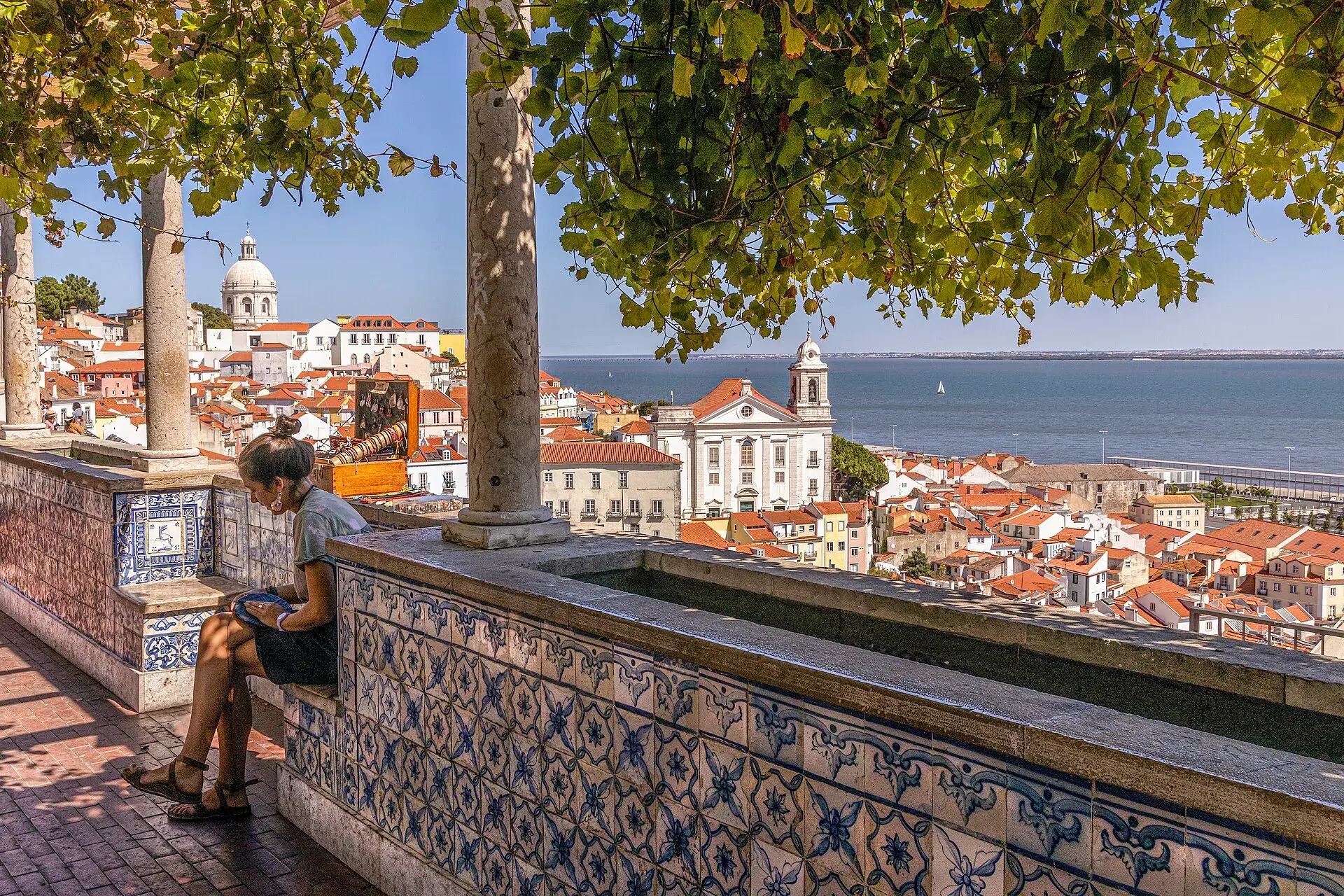
Lisbon is known for sitting on hills steep enough that it once needed lifts and funiculars just to get about, for the painted azulejo tiles covering half its facades, for pastéis de nata, for fado drifting out of Alfama's back streets, and for feeling cheaper and sunnier than Paris or London while carrying a similarly deep history. Its shape comes from the Tagus below and the hills above: Alfama and the Castle hill on one side, the flat Pombaline grid of the Baixa in the middle, Chiado and Bairro Alto rising on the other. You're always either climbing something or looking down at it, and that's the whole character of the city in one sentence.
🏺 The short history that explains the layout
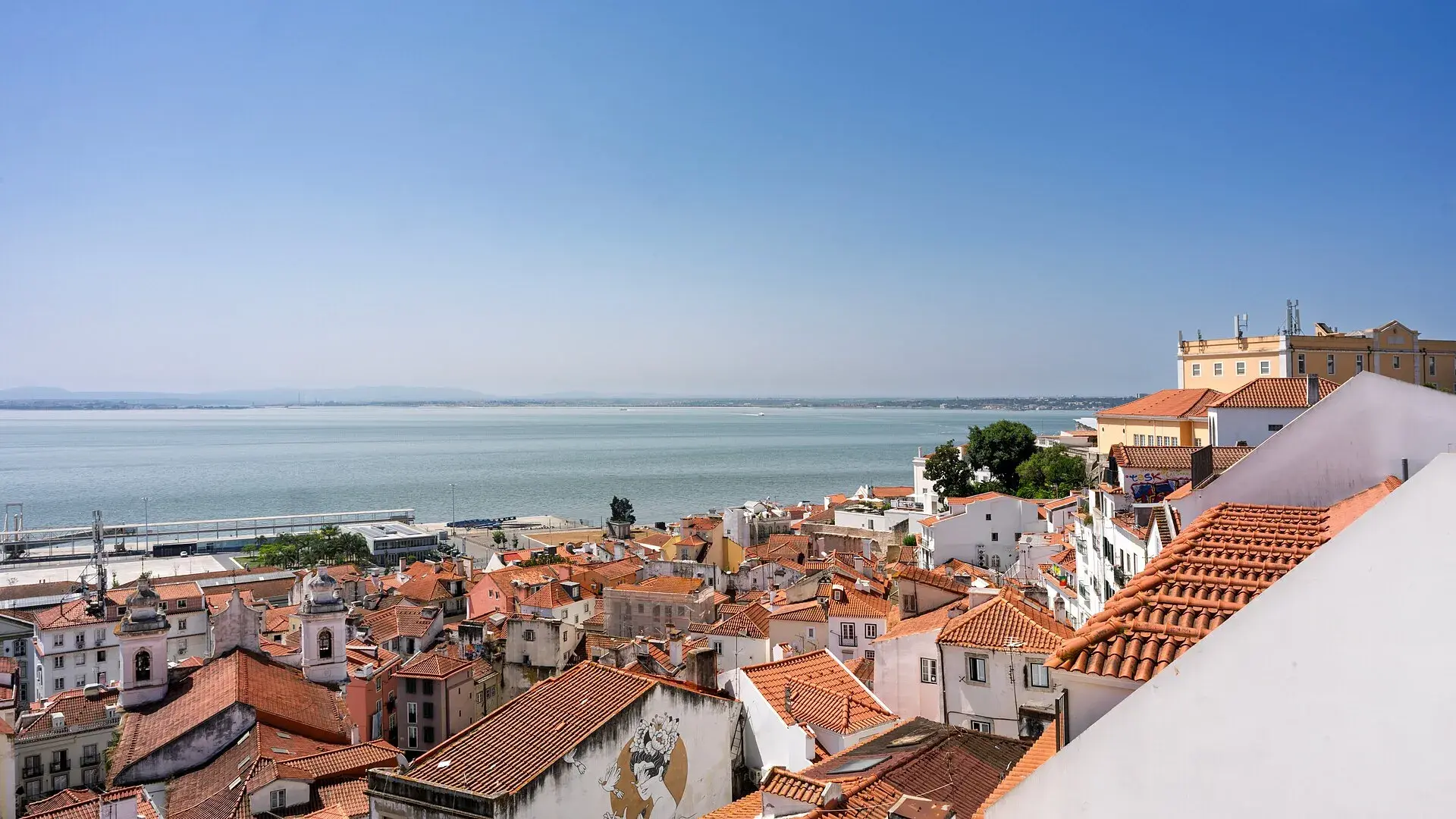
Alfama is Lisbon's oldest quarter, a tangle of Moorish-era streets that survived the 1755 earthquake because it sits on solid rock under the Castle hill, unlike the low-lying centre. That earthquake, plus the fire and tsunami that followed, flattened the Baixa, and the king's minister, the Marquês de Pombal, rebuilt it as a strict grid, wide enough to resist another quake, one of Europe's first planned modern centres. Belém, further along the river, tells an earlier story: it's where Portuguese ships left for the Age of Discoveries, and its Manueline monuments, the Jerónimos Monastery and Belém Tower, were built with the wealth those voyages brought home.

📍 The five places everyone goes
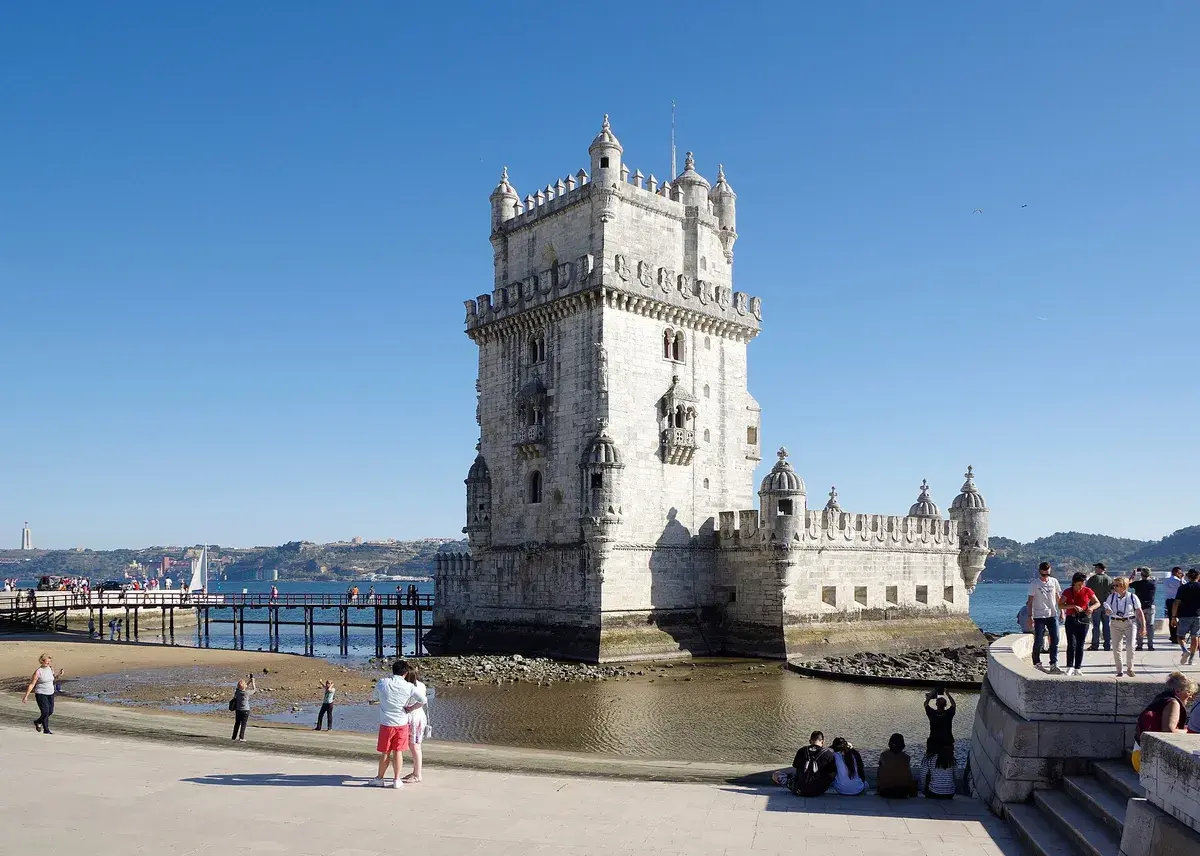
Belém Tower and Jerónimos Monastery 💶 Tower €15, Monastery €18, sold separately 🕐 check the day's hours online. The Tower only reopened on 27 May 2026 after a year of restoration, now with timed-entry slots capping daily visitor numbers to cut the old queue. Verdict: worth it for the stonework, book a slot rather than turning up; if you only have time for one, the Monastery's cloisters are the better half.
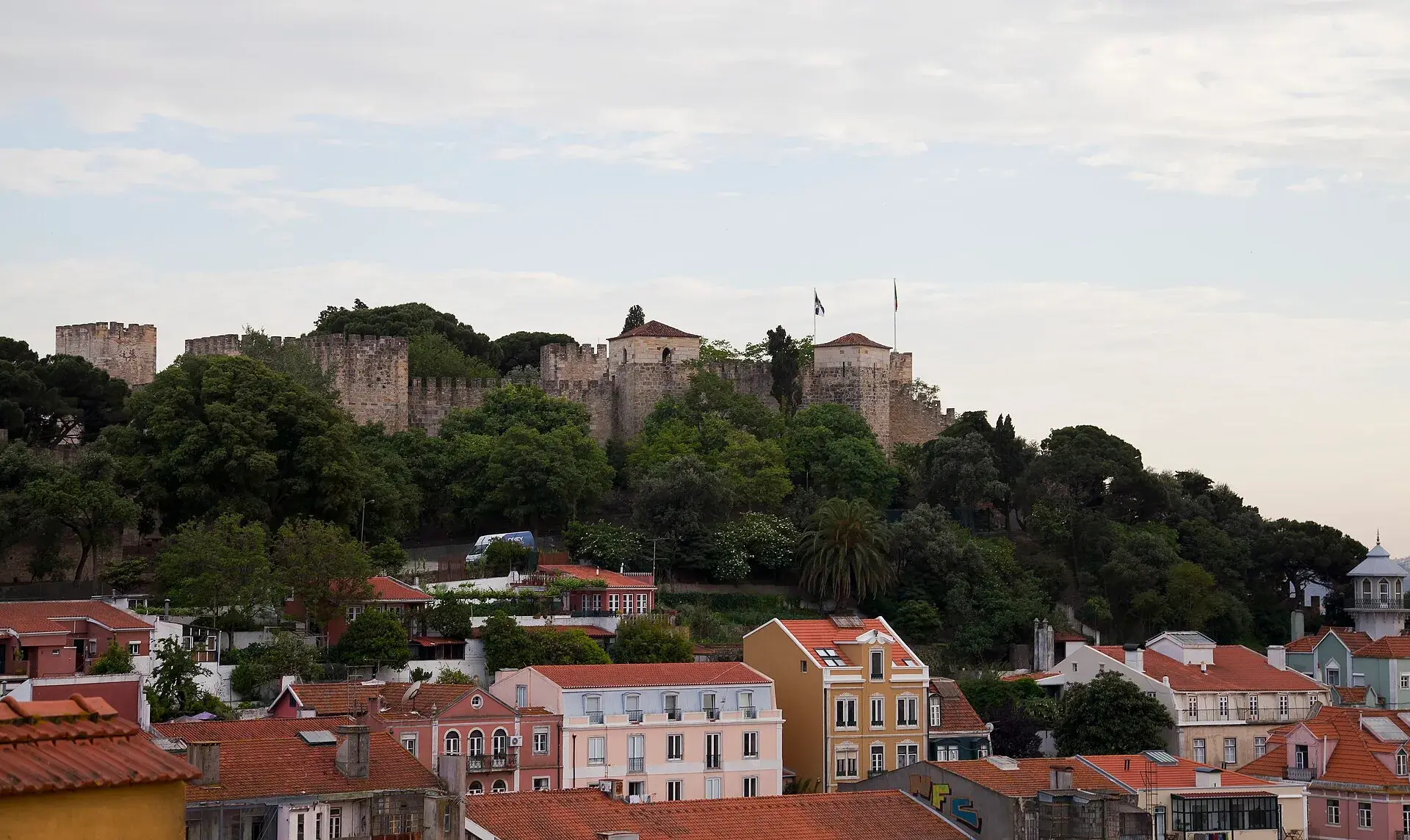
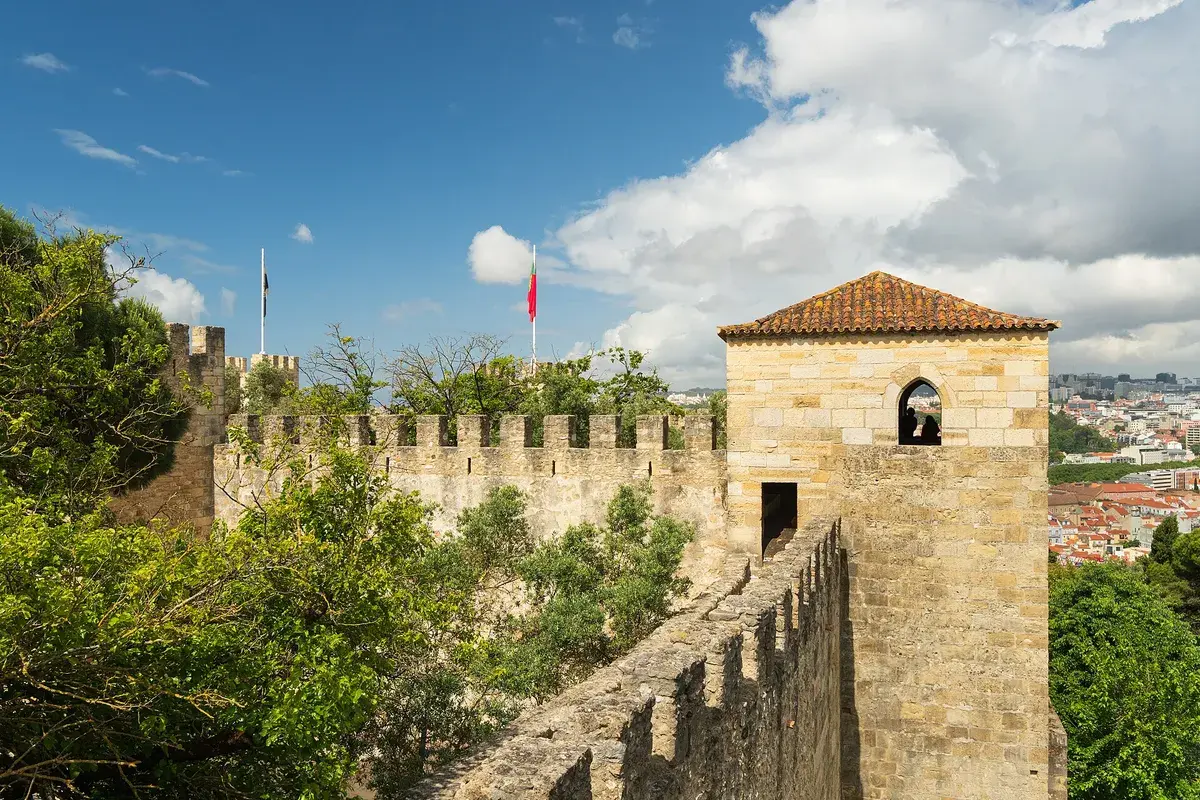
Castelo de São Jorge 💶 €17 full price 🕐 09:00 to 21:00, March to October; 09:00 to 18:00, November to February, last entry 30 minutes before close. Verdict: the view over the Baixa and the river is the real reason to come, not the ruins; the small museum inside is skippable if you're short on time.
Tram 28 💶 €3.30 bought on board, €1.90 with a loaded Navegante card, €1.72 with Zapping pay-as-you-go 🕐 runs all day, roughly every 10 to 20 minutes. Verdict: charming on paper, standing-room-only and a known pickpocket route in practice. Board early at Martim Moniz rather than queue at Praça do Comércio, or just walk the same streets at your own pace.
Santa Justa Lift 💶 no ticket to buy, it's shut 🕐 closed indefinitely. Verdict: nothing to weigh up, Carris lists it "temporarily closed" alongside the three funiculars. Walk up via Rua do Carmo instead, five minutes and free.
Miradouro de São Pedro de Alcântara 💶 free 🕐 always open. Verdict: the best view for zero euros, Bairro Alto and the Castle hill laid out across the valley. It used to sit at the top of the now-closed Glória funicular; reach it on foot up Rua de São Pedro de Alcântara instead.
🙈 Three places tourists skip and shouldn't
- Miradouro da Senhora do Monte 📍 Graça. Free, higher and quieter than São Pedro de Alcântara, with the castle and river laid out below it, a short climb past where most tram 28 tourists turn back.
- Feira da Ladra 📍 Campo de Santa Clara, right by the Miradouro de São Vicente. Lisbon's flea market, Tuesdays and Saturdays, free to browse for tiles, records and pure junk, and full of locals rather than tour groups.
- LX Factory 📍 Alcântara, under the 25 de Abril bridge. A former industrial estate turned studios, bookshops and cafés, ignored by anyone who sticks to the Baixa-Alfama-Belém triangle.
More free ideas, including museum free days, are in Free Things to Do in Lisbon.
🌦️ Weather month by month
Average daily highs, from IPMA's 1981 to 2010 climate normals, via Wikipedia's Climate of Lisbon page:
- January: 15°C
- February: 16°C
- March: 19°C
- April: 20°C
- May: 22°C
- June: 26°C
- July: 28°C
- August: 28°C
- September: 27°C
- October: 23°C
- November: 18°C
- December: 15°C
July and August are hottest and driest, and rarely cool much at night. Winter, December to February, is mild and wet rather than cold, and Lisbon's rainiest stretch.
🗓️ Best time to go and how many days you need
Best months: April, May, September and October. Highs sit from the high teens to mid-20s°C, without August's heat or the queues it brings to Belém and the Castle.
How many days: three full days covers the historic centre and Belém without rushing. Add a fourth for a Sintra day trip, or work a café into the mix, our guide to coworking spaces in Lisbon covers that.
🚶 A two hour essentials walk
Ciceru's "Explore Lisbon: An Immersion in History, Vibrant Culture and Panoramic Views" self-guided walk, €7, 3 km, about 2 hours, links seven stops in this order: the Miradouro de São Vicente in Alfama, Castelo de São Jorge, the Sé (Lisbon Cathedral), Praça do Comércio, the Santa Justa Lift (viewed from Rua de Santa Justa, since it's currently closed), the earthquake-ruined Carmo Convent, and the Miradouro de São Pedro de Alcântara. It's a sensible route: downhill from Alfama into the flat Baixa, then back up through Chiado and Bairro Alto, each stop with a story and a quiz question in the app, plus a free 500 MB global eSIM. It's a way to actually walk the topography this article keeps pointing at, rather than just read about it.
❓ FAQ
What is Lisbon actually known for?
Hills and hilltop views, the Moorish streets of Alfama, the 1755 earthquake's Pombaline rebuild, the Age of Discoveries monuments at Belém, azulejo tiles, fado and pastéis de nata.
Are Lisbon's funiculars and the Santa Justa lift working in 2026?
No. All four, the Glória, Bica and Lavra funiculars and the Santa Justa lift, are closed following the fatal Glória accident of September 2025. None has a confirmed reopening date; Carris is targeting the first half of 2029 just for rebuilding Glória.
Is Lisbon worth visiting?
Yes. Even with its historic lifts out of action, the hills that made them necessary haven't gone anywhere, and walking them delivers views, layered history and food few European capitals match at the price.
✅ Before you go
Don't plan your day around the Santa Justa lift or any of the historic funiculars, they're all shut, walk the hills or take a bus instead. Book Belém Tower's timed slot now that it's reopened, and check Castelo de São Jorge's hours before a sunset visit. For transport and luggage in full, see Getting Around Lisbon; for real daily costs, Lisbon on a Budget; for what to eat beyond pastéis de nata, What to Eat in Lisbon. When you're ready to walk it, the Ciceru self-guided walk through Alfama, the Castle and Chiado runs €7.