Vienna Explained: What It Is Known For, When to Go and What to See
Last updated: September 2026
Intro
Vienna is known for two things that sound intimidating from a distance: six centuries of Habsburg empire and a list of composers long enough to fill a graveyard. That reputation makes people over-plan. The useful fact is that almost everything you're picturing, the cathedral, the palaces, the opera, the grand cafés, sits inside a ring you can cross on foot in about twenty minutes. Here is what Vienna is known for, when to go and what's worth your time, checked in September 2026.
Vienna also works as a self-guided walk: the Ciceru app runs a 2 hour, 3 km route from St Stephen's Cathedral to the State Opera, with a story and a quiz question at each stop and a free 500 MB global eSIM.
⚡ Quick answer
- Known for: Habsburg imperial architecture and classical music, almost all of it packed inside the old walled centre
- Best months: May, June and September; worst: January, cold and dark, though quiet and cheap
- Days needed: 3 full days for the centre and Schönbrunn, 4 to 5 with a Heuriger evening and the outer neighbourhoods
- Innere Stadt on foot: about 20 minutes end to end, which is why the old town feels smaller than its reputation
- Worth visiting: yes, mainly for the walkable imperial centre, not any single ticketed sight
🏛️ What Vienna is actually known for
Vienna is known for being the capital of an empire that outgrew its own city walls. For centuries the Habsburgs poured money into a court that ruled much of central Europe from a footprint you can still cross at lunchtime, which is why the cathedral, the winter palace, the opera and the best cafés stand a few streets apart rather than spread across a modern city. The music reputation follows the same logic: Mozart, Haydn, Beethoven and the Strauss family all worked here because the court paid for it. The other half is the coffeehouse, a genuine institution rather than a photo op; see what to eat in Vienna.
📜 The short history that explains the layout
The compact core exists because Vienna spent thirteen centuries growing inside a fixed boundary. The Romans built a legionary fortress called Vindobona here around AD 100, on the ground that is now the first district; Graben and Naglergasse still trace its old ditches. The Babenberg dukes fortified the medieval town in the late 12th century, part-funded by the ransom paid for King Richard the Lionheart, captured nearby in 1192. Those walls stood for roughly 665 years, until 1857, when Emperor Franz Joseph decreed "Es ist Mein Wille" and had them pulled down as obsolete and a block on growth. The Ringstrasse, lined with the Parliament, City Hall, the university and the opera, replaced them by the early 1900s. The Hofburg had been the Habsburg seat since the 13th century, expanding until the monarchy ended in 1918, while Schönbrunn began as a hunting lodge for Emperor Leopold I in the 1690s and became the family's Baroque summer palace under Maria Theresa, deliberately outside the walls in open parkland. In short: old and imperial sits inside the former walls, Baroque and green sits just outside.
👀 The five places everyone goes (and the honest verdict)
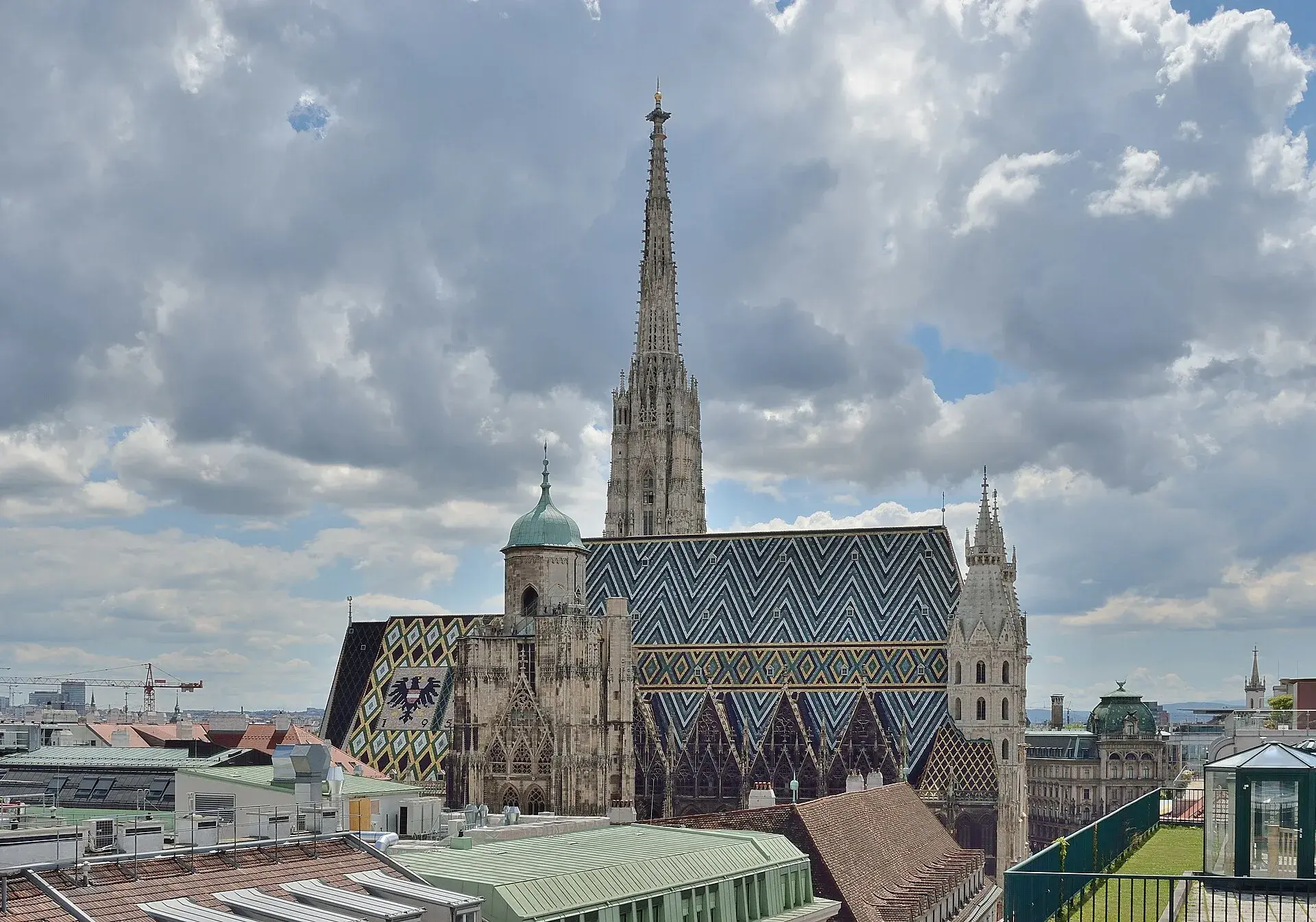
St Stephen's Cathedral. No free general entry to the nave. 💶 Interior (self-guided) €8, children to 14 €3. North Tower lift to the Pummerin bell €8. South Tower, 343 steps, €8. Catacombs guided tour €8. An all-inclusive ticket covering the lot is €29. Worth it for the tiled roof and the view from either tower; the roof itself is visible free from Stephansplatz below.
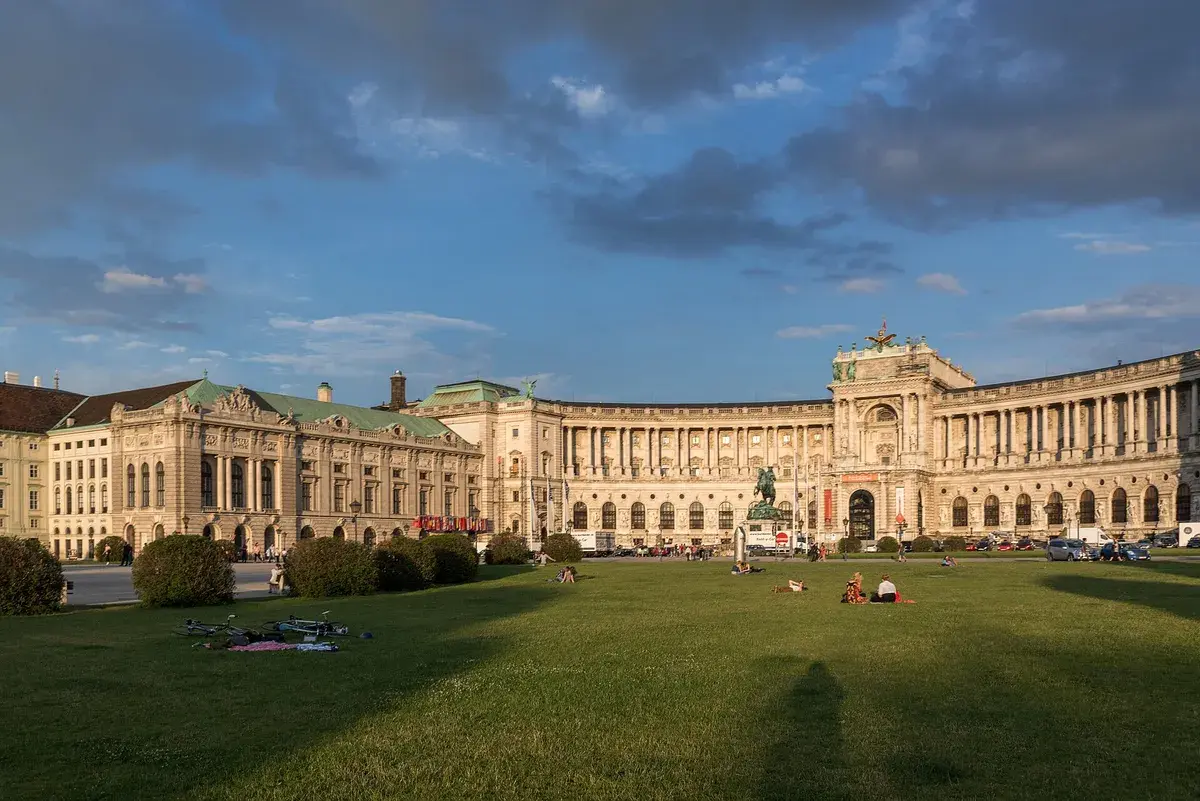
Hofburg and the Sisi Museum. The €20 ticket nominally covers the Sisi Museum, the Imperial Apartments and the Silver Collection, but the Silver Collection has been closed since April 2023 with no reopening date, so you're really paying for two of three. Worth it for the apartments; skip the €60 Sisi Pass unless you're also doing Schönbrunn.
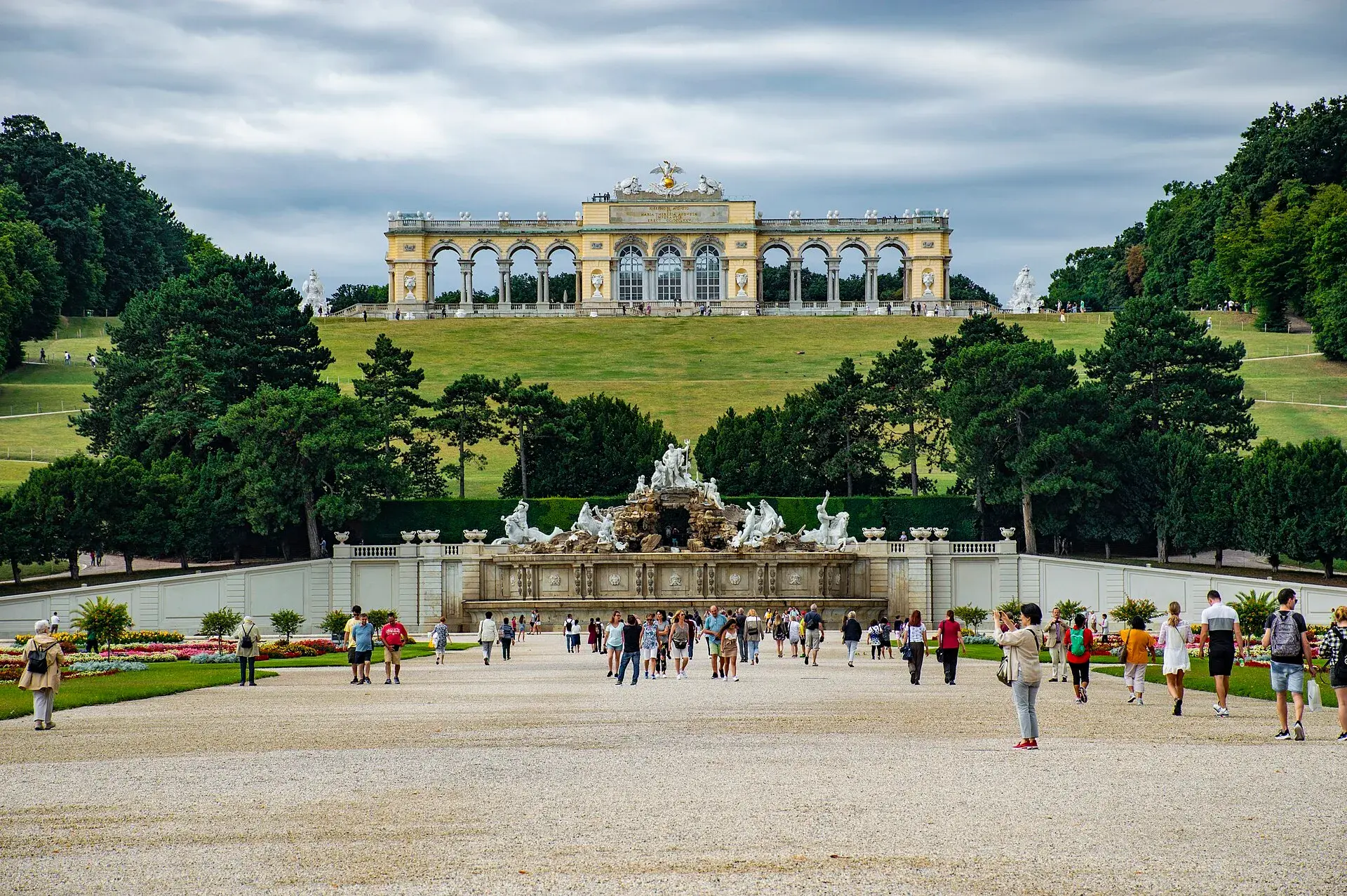
Schönbrunn Palace. The palace park is free, open from 06:30 until between 17:30 and 21:00 depending on the season, and worth walking even if you skip the palace. Only the maze, privy garden, orangery and the Gloriette's terrace need a ticket (Exclusive Gardens, €16). For the rooms, the Palace Ticket is €42 with an audioguide over 40 rooms; the shorter State Apartments ticket is €30. Book a time slot ahead: this queue beats the other four combined.
State Opera. Seats are pricey, but standing tickets (Stehplatz) go on sale at 10:00 on the day of the performance and are among the cheapest opera seats in Europe; see Vienna on a budget for prices and how to queue.
Belvedere (Upper Belvedere). €23 for the permanent collection, home to Klimt's The Kiss. Worth it for that one room and the Baroque staircase; skip Lower Belvedere unless a current show interests you.
🙈 Three places tourists skip and shouldn't
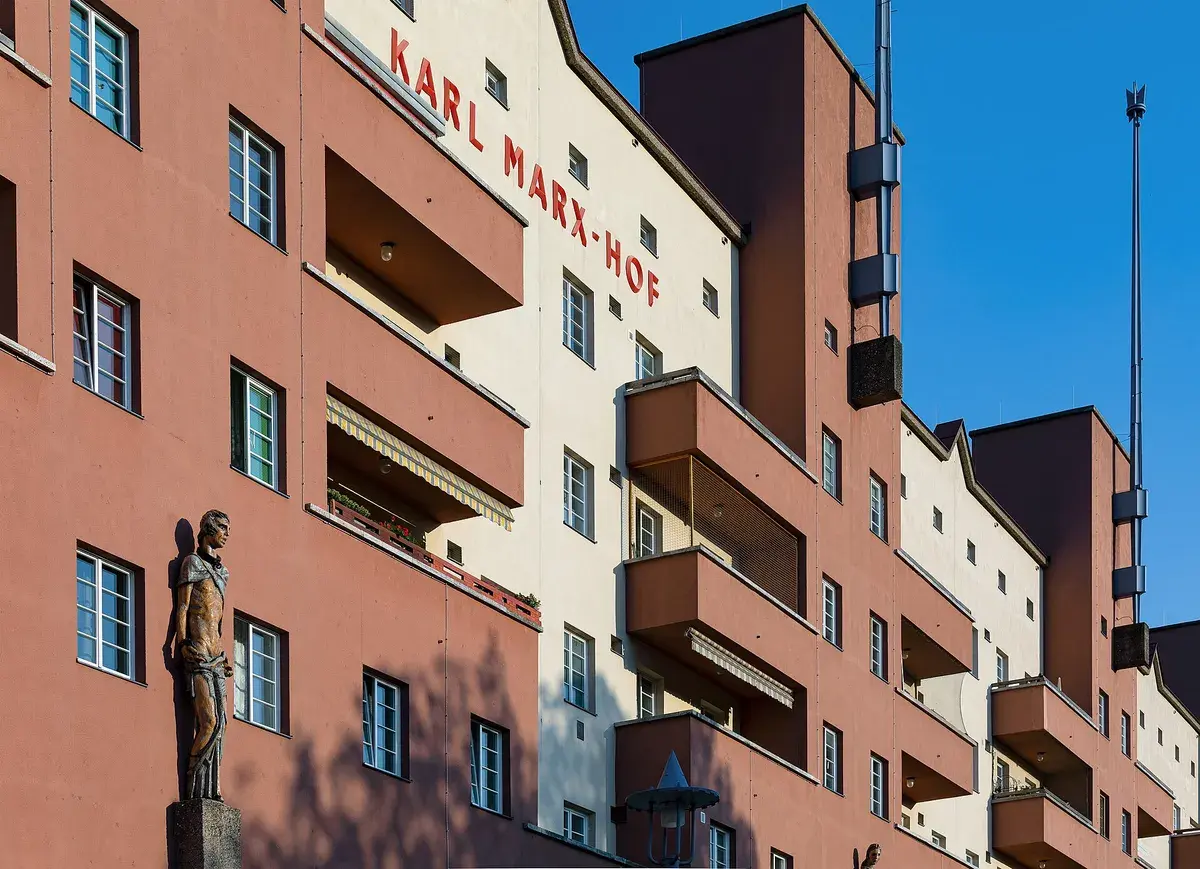
Karl-Marx-Hof. A 1,100 metre municipal housing block built between 1927 and 1930, one of the longest residential buildings anywhere and still lived in. Free to walk past on tram D or the U4 to Heiligenstadt, and it says more about 20th century Vienna than any palace.
A Heuriger in Nussdorf, not Grinzing. Grinzing is where every coach tour stops for the "traditional" wine tavern evening, so the courtyards come with tour buses and prices to match. Nussdorf (end of tram D) and Stammersdorf (tram 31) run the same own-wine, self-service format for a mostly local crowd.
Brunnenmarkt over Naschmarkt. Naschmarkt is the market every guide sends you to, and prices accordingly. Brunnenmarkt in Ottakring is Vienna's longest street market, Turkish, Balkan and Middle Eastern stalls for several blocks, and noticeably cheaper. See free things to do in Vienna for more that costs nothing.
🌦️ Weather month by month
- 🌡️ Jan: 3°C / -3°C, ~8 rainy days
- 🌡️ Feb: 5°C / -2°C, ~7 rainy days
- 🌡️ Mar: 10°C / 1°C, ~8 rainy days
- 🌡️ Apr: 16°C / 6°C, ~8 rainy days
- 🌡️ May: 20°C / 10°C, ~9 rainy days
- 🌡️ Jun: 23°C / 14°C, ~9 rainy days
- 🌡️ Jul: 26°C / 16°C, ~10 rainy days, wettest month
- 🌡️ Aug: 25°C / 15°C, ~8 rainy days
- 🌡️ Sep: 21°C / 11°C, ~8 rainy days
- 🌡️ Oct: 15°C / 7°C, ~7 rainy days
- 🌡️ Nov: 8°C / 2°C, ~8 rainy days
- 🌡️ Dec: 4°C / -2°C, ~8 rainy days
📅 Best time to go and how many days you need
Best: May, June, September. Worst: Januaryshort days and highs barely above freezing, though cheapest and quietest. December is the exception: the Christmas markets are worth the cold, see Vienna's Christmas markets in 2026. Three full days covers the Innere Stadt plus Schönbrunn or Belvedere; add a fourth and fifth for a Heuriger evening, the Brunnenmarkt and MuseumsQuartier. For crossing the city and reaching the airport, see getting around Vienna.
🚶 A two hour essentials walk
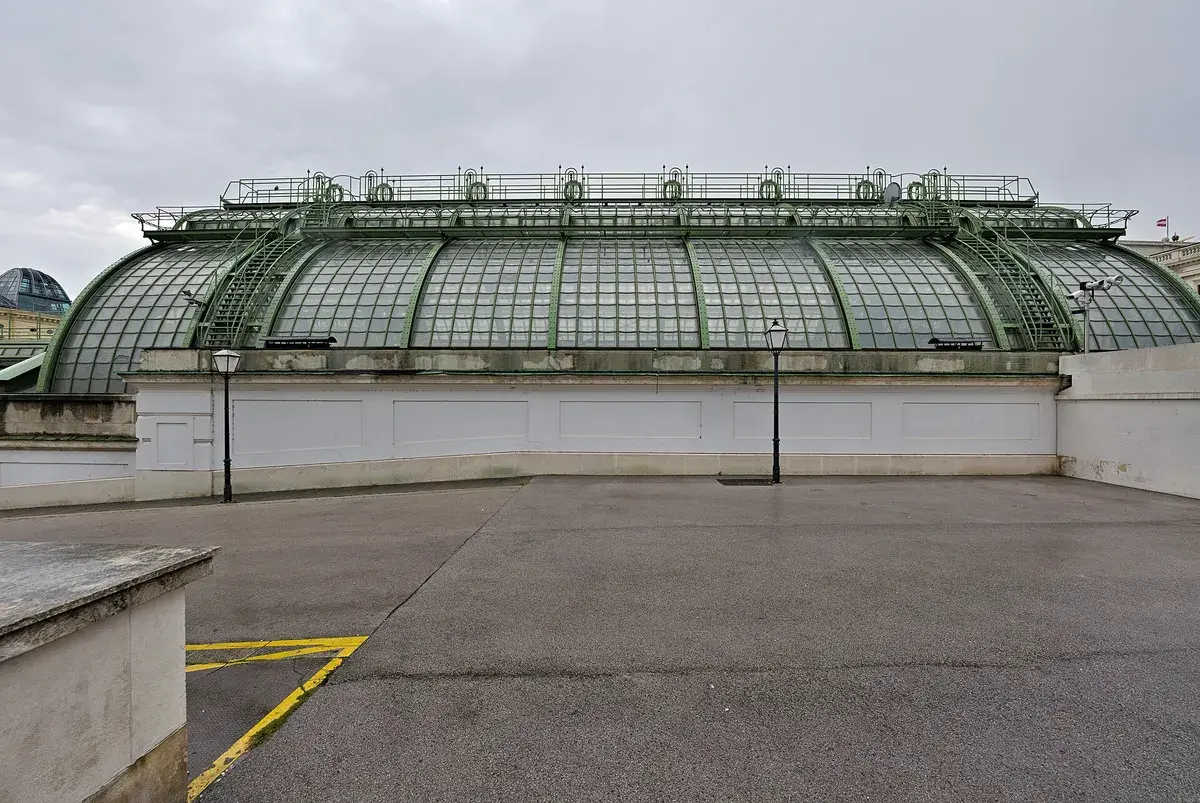
About 3 km on foot: St Stephen's Cathedralpast the Haas-Hausthe Plague Columnthe Roman and medieval excavations at Michaelerplatzthe Emperor Franz I Monumentacross Heldenplatzthe Mozart Monumentthe Palmenhaus and Butterfly House in the Burggarten, the Albertinathe Monument Against War and Fascismfinishing at the State Opera. This is the order the Ciceru self-guided walk runs, a story and a quiz question at each of its 11 stops.
Do it in the morning before Stephansplatz fills with tour groups. The whole route sits inside that twenty minute crossing of the old town.
❓ FAQ
Is Vienna worth visiting?
Yes, mainly for the compact imperial centre you can cover on foot, not any single ticketed sight.
What is the best time to visit Vienna?
May, June and September, either side of the summer crowds.
How many days do you need in Vienna?
Three full days for the centre and Schönbrunn, plus a day or two for a Heuriger evening and the outer markets.
✅ Before you go
Walk the Innere Stadt at street level before booking a single ticket, and pick two or three of the big five rather than all of them in one day. Pack for rain most months and real cold from November to February. Working from a laptop? See cheap coworking in Vienna. For the route above in app form, the Ciceru walking tour covers St Stephen's to the State Opera for €7.