Are Christmas Markets Worth It? An Honest Look at Prices and Crowds
Last updated: September 2026
Intro
Yes, on three conditions: you go for a drink and a walk, not a dinner or a shopping trip, you avoid Friday and Saturday evenings, and you pick the second square over the famous one. The market itself is the cheap part. In the Post Office's 2025 barometer, four mulled wines plus four cakes came to under 5% of a two-night break in 12 of the 15 cities it covers. What hurts is the flight, the hotel and a hot meal at the wrong stall. Checked in September 2026: no organiser has published 2026 stall prices yet, so every price below is from 2024 or 2025 and labelled.
Want more than a stall crawl? The Vienna Christmas markets walk in the Ciceru app is €7, 2 hours, 4 km and 8 stops, with a story and a quiz question at each stop and a free 500 MB global eSIM. Dates for every city are in the Christmas markets Europe 2026 calendar.

⚡ Quick answer
- 💶 An evening for two drinks and a snack: roughly €13 to €15 in Budapest and Prague, about €23 in Krakow, €22 to €24 in Tallinn, on 2025 stall reports
- 🧾 The market is a small share of the trip: 3% to 5% of the Post Office's 2025 two-night cost in Prague, Tallinn, Budapest, Vienna and Krakow
- 👥 Crowds: Friday and Saturday evenings and the first Advent weekend, 27 to 29 November, are the worst. Tuesday to Thursday, and opening time, are the best
- ✅ Our four: Vienna Spittelberg, Naples San Gregorio Armeno, Prague Náměstí Míru and Bruges Simon Stevinplein
💶 What you actually pay for an evening
Two sources, and they do not always agree.
The barometer basket. The Post Office Christmas Markets Barometer 2025 (last updated 21 November 2025, exchange rates from 6 November 2025, prices from tourist offices) priced four mulled wines and four cakes or gingerbreads per city. Halve the wine and take a quarter of the cakes and you get two drinks and one sweet thing, in pounds:
- Budapest: about £10.80
- Prague: about £11.10
- Tallinn: about £13.50
- Krakow: about £13.60
- Vienna: about £16.60
Vienna costs about 54% more than Budapest for the same basket. The whole trip tells the same story: £926 for Vienna against £664 for Budapest, flights included.
What stalls reported. Local press priced actual stalls in 2025, and the numbers are less tidy:
- Prague: mulled wine CZK 100 and a sausage CZK 160 at the big two squares, so two drinks and a sausage came to CZK 360, about €15
- Budapest: mulled wine 1,500 Ft at the Basilica, 1,500 to 1,900 Ft at Vörösmarty tér depending on the report, plus the 1,600 Ft fixed-price dish, about €13 to €15 in all
- Krakow: a small mulled wine 35 zł and a zapiekanka 30 zł, so about 100 zł, about €23. The barometer's £5.50 a glass looks low next to that
- Tallinn: glögi about €7 and a filled pretzel sandwich €7.50 to €9.50 comes to €21.50 to €23.50. A hot meal at €14 to €18 takes it to €28 to €32
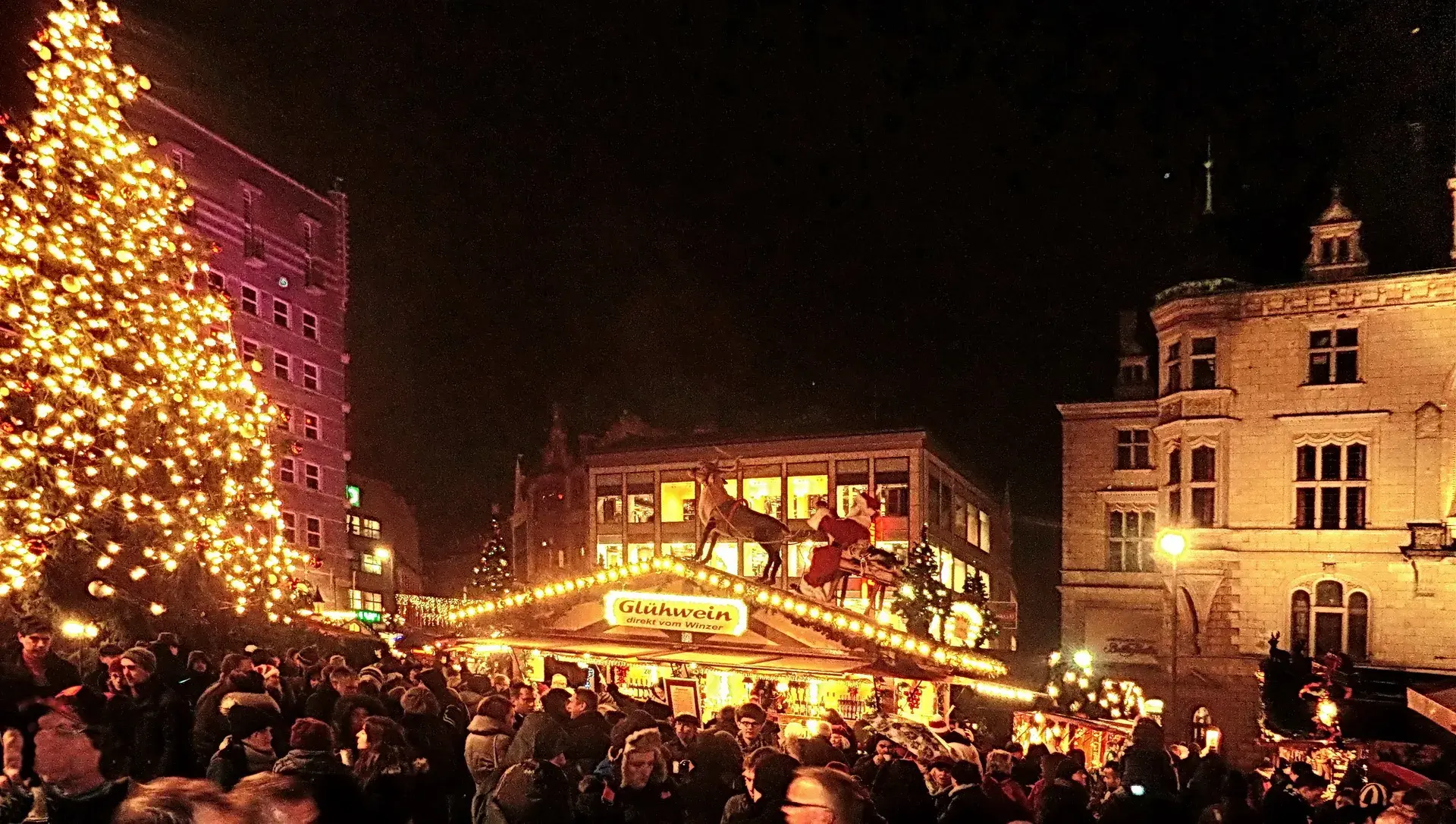
- Cologne: mulled wine €5 at the cathedral market, so €10 for two. Food prices not verified
- Vienna: in a 2024 test of six markets, mulled wine averaged €6.25 at Rathausplatz, so two drinks cost about €12.50
Where the two sources split, as in Krakow, believe the stall report.
Deposits are cash you lend, not spend. Tallinn's organiser confirms a €2 deposit on 2026 mugs and plates. Vienna's 2024 test found €5 per mug at five of six markets and €3 at Spittelberg, and our Vienna markets guide lists €5 at the 2026 MAGMAG markets. Nikolausdorf in Cologne charged €3 in 2024. Prague's Náměstí Míru charged CZK 50 in 2023. Return the mug, get the money. Details are in do European Christmas markets take card.
Entry. Most of these markets are free to walk into. Berlin's Gendarmenmarkt is not: €2 in 2026, free for under 12s, and free Monday to Friday from 12:00 to 14:00 except 24, 25, 26 and 31 December. In Cologne the market is free but the cathedral behind it costs €12 from 1 July 2026.
👥 The crowd problem, by city and by day
Some scale first, from organisers and cities:
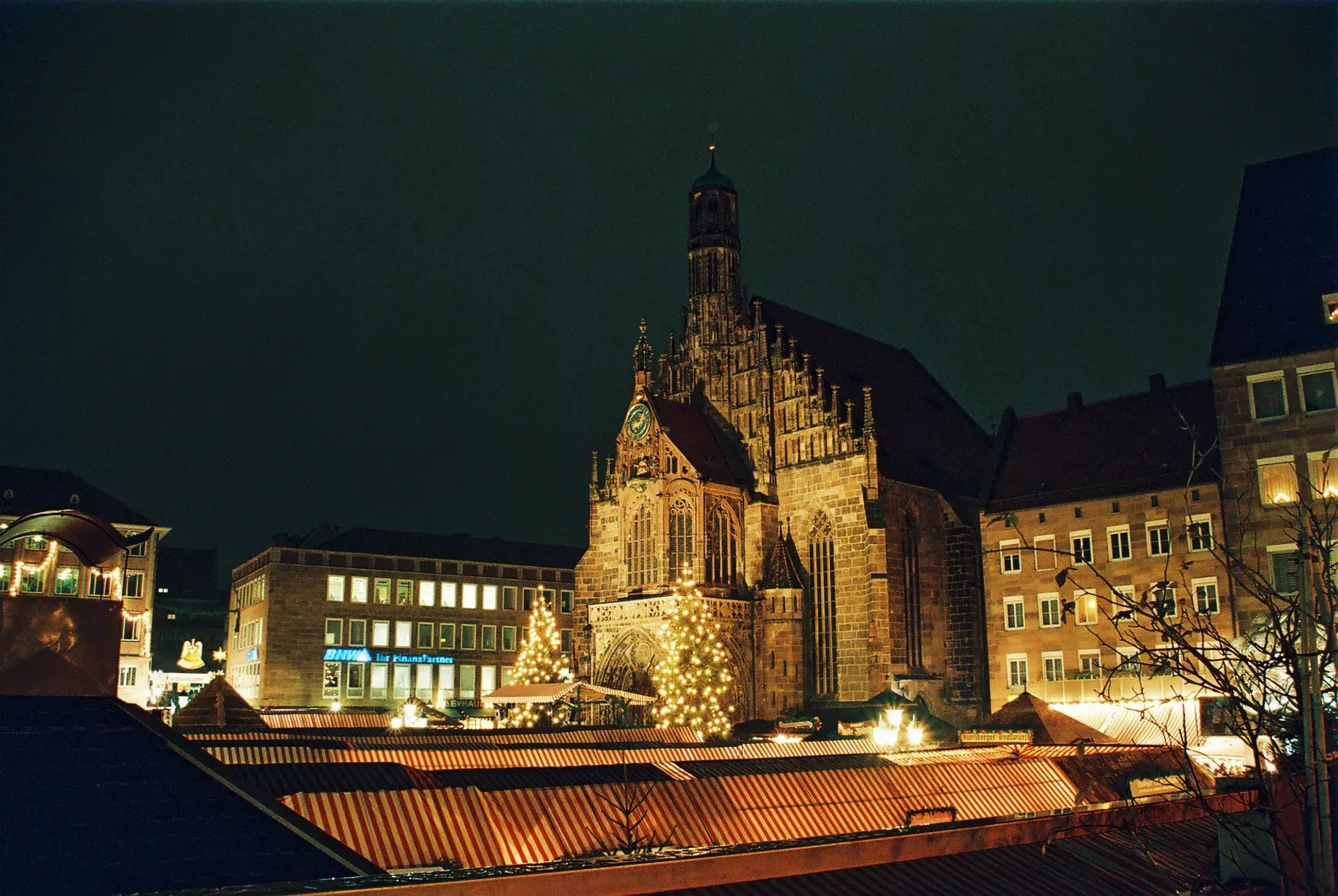
- Nuremberg: over two million visitors in 2025 across up to 180 stalls, per the city's own 2026 preview
- Dresden: the Striezelmarkt says "millions of guests" each year, with more than 200 traders
- Naples: local press said organisers expected about a million visitors to the nativity street last year, and the city ran a one-way walking system
- Bruges: its Winter Glow light trail drew about 340,000 visitors in a recent year, per VRT, and has now ended. Most visitors are day-trippers, according to a 2023 AFP report
Nobody publishes an hourly count, so the ranking below is our view, built on opening hours and local advice. Cologne visitor advice says Tuesday to Thursday before noon is quiet, and Friday evenings and Advent Saturdays are busiest around Roncalliplatz and Heumarkt. Bruges's shopping days fall on weekends.
Our ranking, worst to best:
- Worst: the first Advent weekend (Friday 27 to Sunday 29 November), when Nuremberg opens on the Friday at 17:30 and the two big Prague squares open on the Saturday
- Bad: any Friday or Saturday evening in December, and 19 to 20 December, the last full weekend
- Good: Tuesday to Thursday, any time
- Best: a weekday at opening, 10:00 in Nuremberg, Dresden, Vienna and Prague
🛍️ Which markets have become gift shops
No souvenir count exists. No organiser splits stalls into craft, food and imports, so anyone quoting a percentage is guessing.
What organisers say about themselves, for what it is worth:
- Cologne cathedral market: over 140 stalls with "crafts and gifts, but also gastronomy"
- Nuremberg: up to 180 stalls selling gingerbread, toys, prune figures, decorations and crafts
- Prague Old Town Square: 82 vendors in 2025, with a Czech craft focus
- Vienna: about 70 stalls at Maria-Theresien-Platz described as traditional crafts and gift ideas, and about 40 booths at Stephansplatz described as high-quality Austrian products
Those are self-descriptions, not audits. Run the test yourself:
- Same object, three stalls in a row. A maker does not stand next to two identical rivals.
- Ask who made it. A maker answers in one sentence and names the workshop. A reseller says "local".
- No hands, no craft. Glass blowing, wood carving or baking in view is a good sign.
- Fridge magnets and phone cases. Not Christmas crafts.
✅ The four that still feel real
Our criteria: the organiser or city describes the stalls as craft or local, it is not the headline square, and it either beats the famous market on price or has a rule that protects it. All four have their own guide on Ciceru.
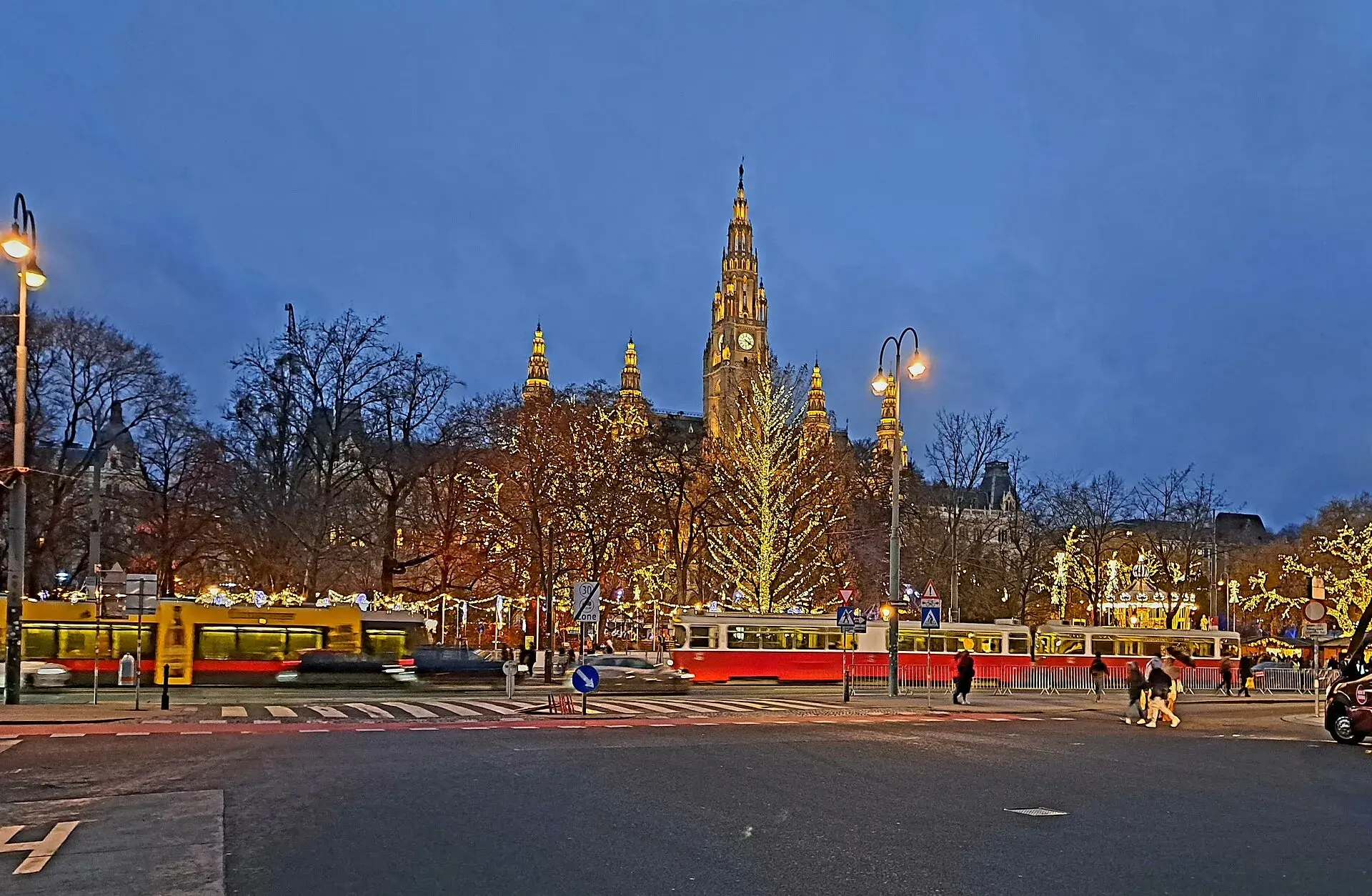
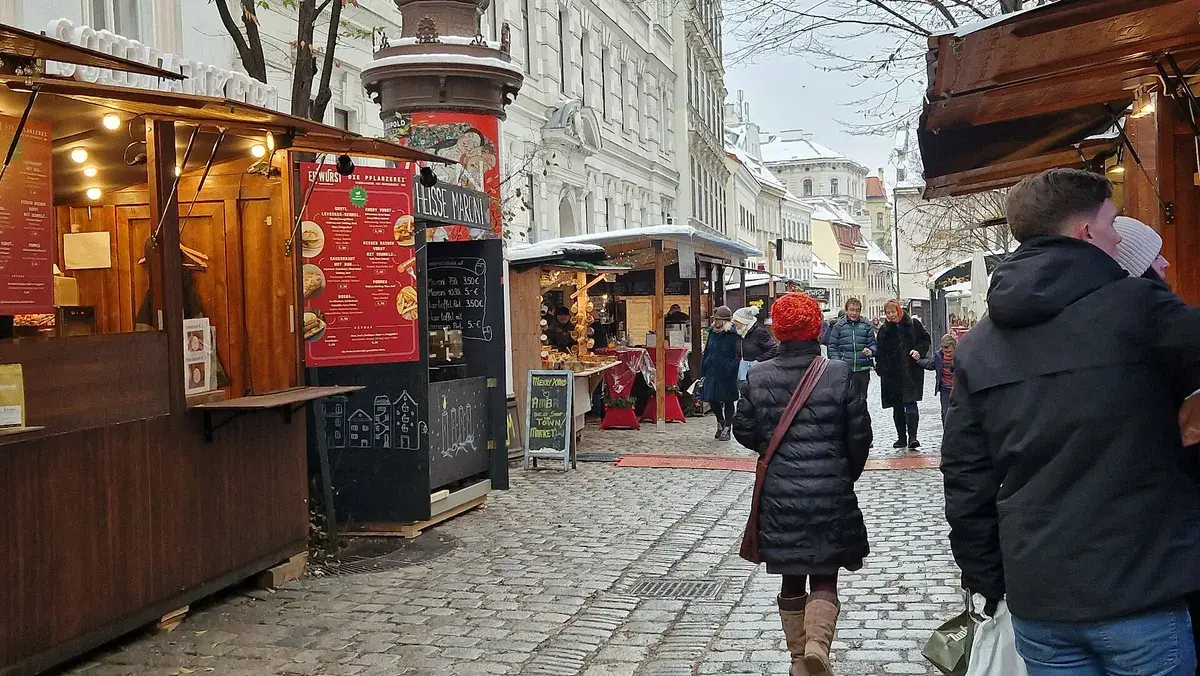
Vienna Spittelberg. Vienna's tourist board lists handicrafts in narrow lanes, with sustainable, local, fair-trade and organic products. It runs 13 November to 23 December 2026, Monday to Friday 14:00 to 21:30 and weekends from 11:00. In the 2024 test it was the cheapest of six Vienna markets: mulled wine averaged €4.95 against €6.25 at Rathausplatz, and the deposit was €3 against €5. See Vienna Christmas markets 2026: what stays open.
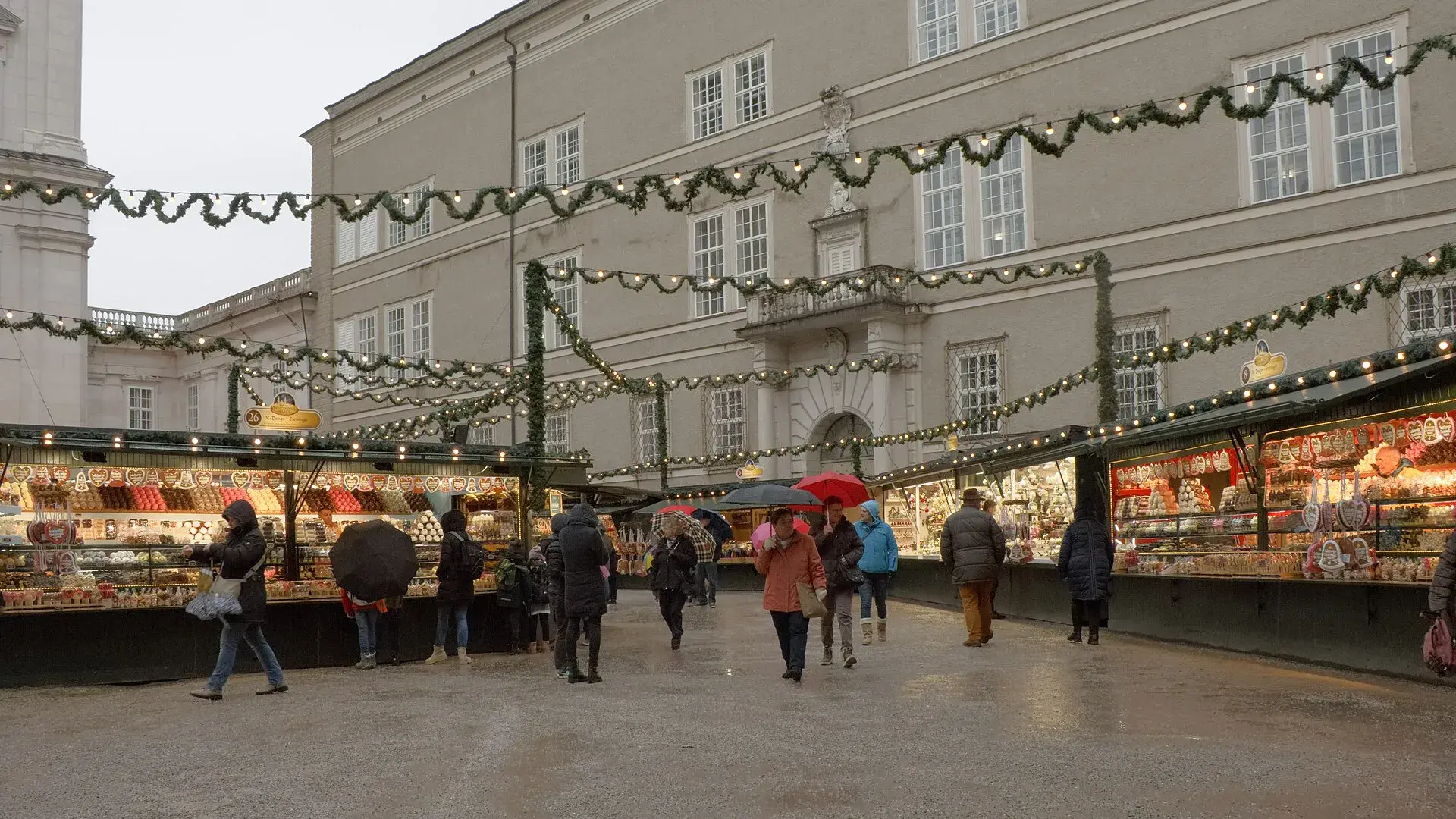
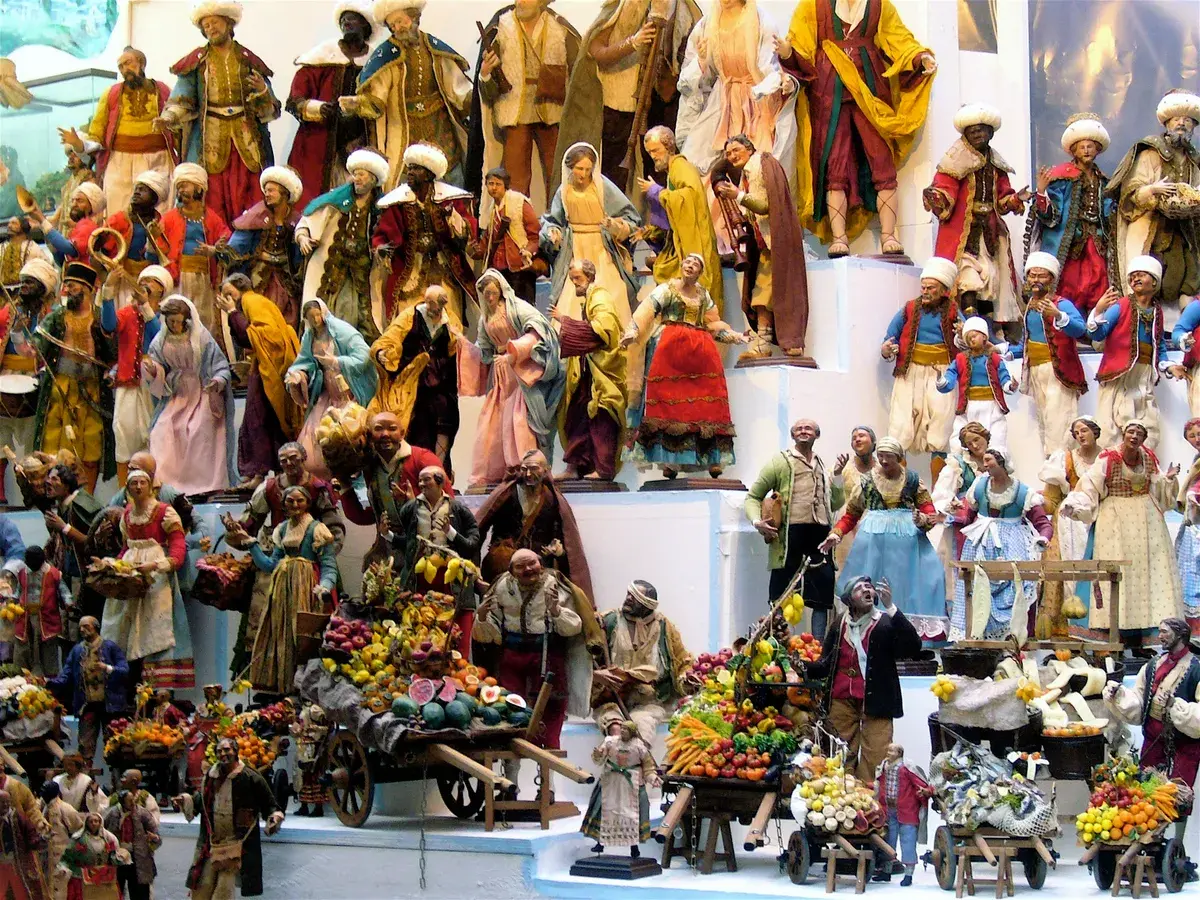
Naples, San Gregorio Armeno. Not a mug-and-sausage market at all. The lane sells handmade nativity figures with terracotta heads and silk clothes, and a 2023 city resolution stops new shops that do not sell nativity goods from opening, according to Italian press. Local press says the fair opens 1 November 2026, though the city had not published it in September. It is the crowded one, so go on a weekday morning. More in Christmas in Rome, Florence and Naples.
Prague, Náměstí Míru. The evidence here is price and distance, not craft. In 2025 mulled wine was from CZK 75 there against CZK 100 at the big two, and it opens on 20 November, eight days earlier, running to 24 December, 10:00 to 20:00. It sits about 13 minutes' walk from the top of Wenceslas Square. Compare it with Prague Christmas markets 2026.
Bruges, Simon Stevinplein. The smaller of two markets, described in 2025 as short-chain and craft products, against the Markt's crowd. The city says its Christmas markets return in 2026 and stay open to 3 January 2027, but the 2026 hours were not published in September. Read Bruges at Christmas first.
Honourable mention: Budapest's Basilica market ran a rule of one main dish at 1,600 Ft, about €4.40, in 2024 and reportedly 2025. Ask for it by name.
🕐 Going midweek, going early
- Go at opening. Nuremberg, Dresden, Vienna Rathausplatz and the Prague squares open at 10:00 daily. Cologne's cathedral market opens at 10:00 on Saturdays and 11:00 on other days.
- Mind 24 December. Nuremberg, Dresden and Munich close at 14:00. Vienna Rathausplatz closes at 18:30.
- Mind Totensonntag. Cologne's cathedral market is shut on 22 November 2026, and several German markets close that day too.
- Eat first. Have dinner at a restaurant and use the market for one drink. At Tallinn or Krakow prices, that alone changes the maths.
- After Christmas. Prague, Krakow, Tallinn and Bruges run into early January, and Cologne's harbour market to 3 January. Check hours for 24 to 26 December.
🙅 When they are not worth it
- You want dinner from the stalls. At 2025 Tallinn or Krakow prices, a hot meal for two costs more than a restaurant lunch.
- You are travelling only for the market. In Prague, Tallinn, Budapest, Vienna and Krakow, everything except the drinks and cakes is over 95% of the trip cost. If you would not enjoy the city in December, the stalls will not fix it.
- You go on a Saturday evening on the first Advent weekend. You will queue for everything.
- You hate standing in the cold. See what to wear at a European Christmas market.
🎄 The verdict
Christmas markets are worth it if you treat them as a cheap evening, not a destination: one mulled wine, one walk through the stalls, one hot thing to eat at a fair-priced stall, all on a weekday and away from the headline square. They are not worth it if you plan to eat, shop and photograph them on a Saturday night in the first week of Advent. Budapest and Prague are still the cheapest for what you hold in your hand, Vienna is the priciest, and the four markets above are where the format still feels like the thing it claims to be.
❓ FAQ
How much does an evening at a Christmas market cost?
Two drinks and one snack came to roughly €13 to €15 in Budapest and Prague, about €23 in Krakow and €22 to €24 in Tallinn, on 2025 stall reports. 2026 prices are not published yet.
Are Christmas markets overrated?
Partly. The crowds are real and some stalls are souvenir shops. The drinks and the lights cost less than most people expect. Go midweek.
Which day is least crowded?
There is no official count. Local advice points to Tuesday to Thursday, especially before noon.
Do you have to pay to enter?
Not usually. Prague, Krakow and Cologne's cathedral market list no entry charge. Berlin's Gendarmenmarkt charges €2 in 2026.
✅ Before you go
Check dates in the Christmas markets Europe 2026 calendar, and read Vienna or Prague for Christmas markets if you are choosing between the two. Carry some cash for deposits and small stalls, decline any card terminal that offers to charge you in pounds, and eat before you queue.
For a walk between drinks, Ciceru's self-guided routes in Prague and Krakow are €5, and Vienna, Budapest and Tallinn are €7, each with a story and a quiz question at every stop and a free 500 MB global eSIM.